A camellia flower brooch is more than just an accessory—it’s a statement of elegance, often carrying sentimental or historical value. Whether passed down through generations or recently acquired as a fashion accent, its intricate design demands thoughtful maintenance. Dust, skin oils, moisture, and environmental exposure can dull its luster or cause irreversible damage over time. Proper care ensures that the brooch retains its brilliance, structural integrity, and emotional significance for years to come.
Understanding Your Camellia Brooch: Materials and Construction
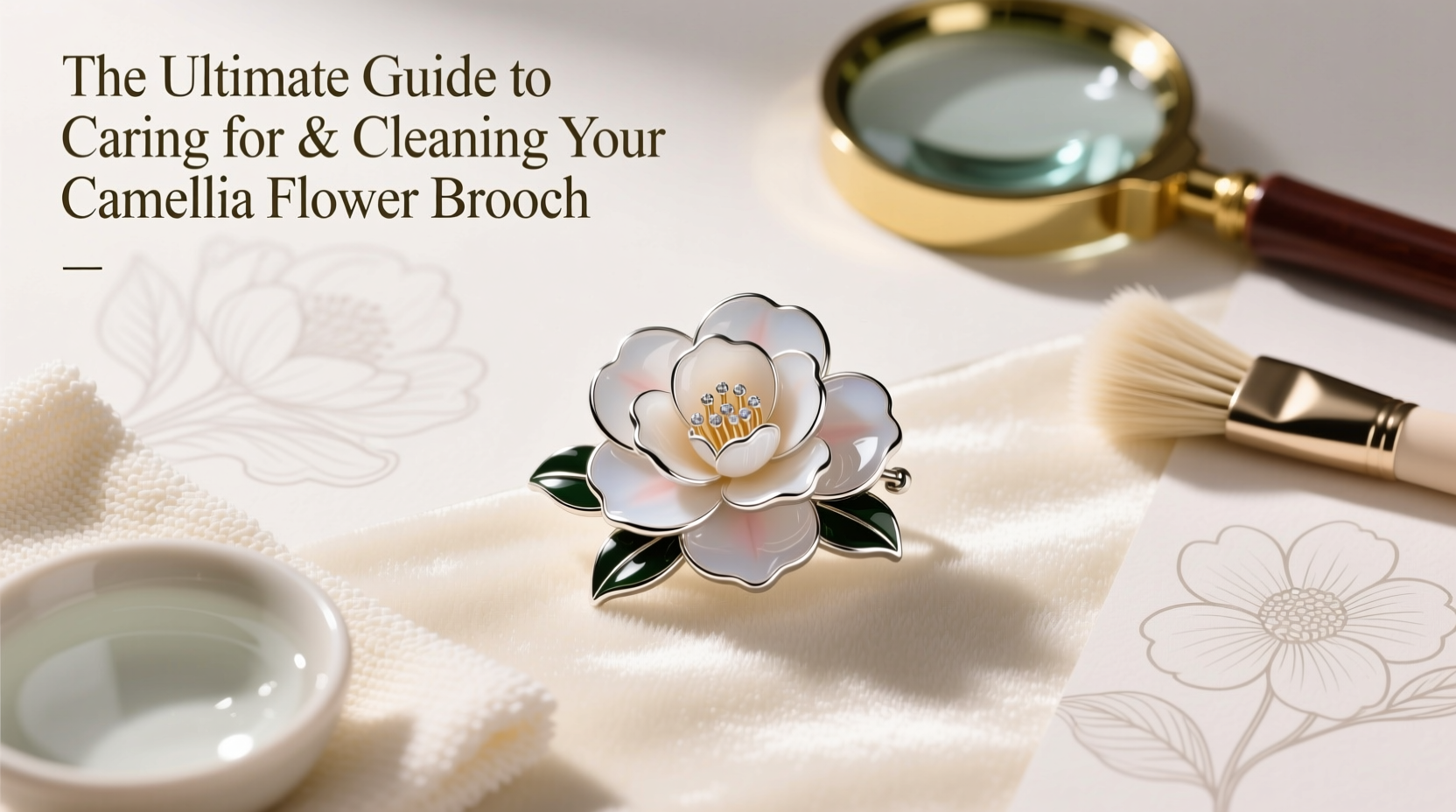
Before any cleaning begins, it’s essential to identify what your brooch is made of. Camellia brooches are commonly crafted from one or more of the following materials:
- Pewter or base metal – Often used in vintage costume jewelry; prone to tarnish but durable if handled correctly.
- Silver or gold-plated metal – Offers a luxurious finish but may wear thin over time with abrasive cleaning.
- Enamel detailing – Frequently seen in colorful camellia designs; sensitive to heat and chemicals.
- Crystals or rhinestones – Used for petal accents or centers; glued in place and vulnerable to loosening with excessive moisture.
- Solid silver or gold – Found in high-end or antique pieces; valuable and responsive to professional-grade care.
The construction also varies—some brooches feature layered petals for dimension, while others use filigree or cloisonné techniques. Knowing these details prevents accidental harm during cleaning. If uncertain about the materials, consult a jeweler or refer to purchase documentation.
Tip: Never assume all metal parts are the same. A brooch may have a gold-tone pin stem but silver-tone petals—clean accordingly.Step-by-Step Guide to Safe Cleaning
Cleaning a camellia brooch requires patience and precision. Follow this timeline-based process to avoid damage while restoring shine.
- Inspect the brooch (5 minutes): Use a magnifying glass to check for loose stones, cracks in enamel, or signs of corrosion. If damage is present, stop and seek professional help.
- Prepare your workspace (3 minutes): Lay out a soft towel on a clean surface. Gather tools: microfiber cloth, cotton swabs, mild dish soap, lukewarm distilled water, and a small bowl.
- Dampen—not soak—the brooch (2 minutes): Dip a cotton swab in soapy water and gently wipe metal surfaces. Avoid saturating the piece, especially near stone settings or enamel edges.
- Clean between layers (5–7 minutes): Use pointed swabs to reach crevices where dust accumulates. Work delicately around petal folds and central motifs.
- Rinse lightly (optional, 1 minute): For non-enamel pieces, dab with a water-dampened swab to remove soap residue. Do not rinse under running water.
- Dry thoroughly (10–15 minutes): Pat dry with a lint-free cloth, then air-dry face-up on tissue paper for at least 30 minutes before storage.
This method preserves delicate components while removing everyday grime. For heavily tarnished non-enamel brooches, consider using a polishing cloth labeled safe for plated metals—but never apply liquid polish directly.
Do’s and Don’ts: Care Guidelines at a Glance
| Do’s | Don’ts |
|---|---|
| Store in a fabric-lined jewelry box away from light | Leave the brooch exposed to sunlight or humidity |
| Wipe gently after wearing to remove oils and perfume | Use alcohol, bleach, or ammonia-based cleaners |
| Fasten securely to thick fabrics to prevent bending | Pin onto stretchy or fragile materials that could snag |
| Have antique or valuable pieces professionally serviced every 1–2 years | Soak enamel or glued-stone brooches in liquid |
| Use anti-tarnish strips in storage drawers | Wear during swimming, showering, or household chores |
Expert Insight: Preserving Heirloom Quality
“Many camellia brooches, especially those inspired by mid-century European design, combine fragile elements with symbolic meaning. Gentle, consistent care isn’t optional—it’s part of honoring their legacy.” — Dr. Lillian Cho, Curator of Textile & Accessory History, Metropolitan Design Archive
This perspective underscores that preservation goes beyond appearance. Each careful wipe, proper storage choice, and avoidance of harsh environments contributes to maintaining both aesthetic and cultural value.
Real Example: Restoring a 1950s Chanel-Inspired Brooch
Maria R., a collector from Portland, inherited a silver-tone camellia brooch from her grandmother. After decades in a cedar drawer without climate control, the petals were clouded with tarnish, and two rhinestones had fallen out. She avoided home remedies like vinegar or baking soda paste, which could erode the plating. Instead, she took it to a specialist who used ultrasonic cleaning at low intensity, re-set the stones with archival adhesive, and applied a protective lacquer. The result was a fully revived piece that now resides in a sealed case with silica gel packs. Her story highlights the importance of knowing when to DIY—and when to call an expert.
Essential Care Checklist
Keep this checklist handy for routine maintenance:
- ☑ Inspect for loose stones or bent pins monthly
- ☑ Wipe with dry microfiber cloth after each wear
- ☑ Deep clean with damp swab every 6–8 weeks
- ☑ Store flat in a padded compartment, away from other jewelry
- ☑ Schedule professional inspection every 18 months for vintage pieces
- ☑ Keep away from perfumes, hairsprays, and lotions
Frequently Asked Questions
Can I use jewelry cleaning machines on my camellia brooch?
Only if the brooch is solid metal with no glued elements. Ultrasonic cleaners can loosen rhinestones or damage enamel. When in doubt, skip machine cleaning and opt for manual methods.
How do I remove tarnish without scratching the surface?
Use a treated polishing cloth designed for delicate finishes. Rub gently in one direction along the metal grain. Avoid circular motions that can blur fine textures. Test on a small hidden area first.
Is it safe to wear my camellia brooch daily?
Daily wear increases exposure to sweat, friction, and chemicals. Limit regular use to special occasions and rotate with other accessories. Reserve the most delicate or valuable pieces for display or formal events.
Final Thoughts: Honor the Detail, Protect the Beauty
A camellia flower brooch embodies craftsmanship and grace. Its layered petals and symmetrical form reflect meticulous design, deserving equal attention in upkeep. By understanding the materials, applying gentle cleaning techniques, and storing with intention, you extend not only its lifespan but also its emotional resonance. These brooches often mark milestones—gifts for graduations, anniversaries, or inheritances. Caring for them becomes a quiet act of respect.
💬 Have a cherished camellia brooch? Share your care routine or restoration story in the comments below—we’d love to learn from your experience.