The iPhone 11’s dual-camera system was a game-changer in mobile photography, offering crisp 12MP wide and ultra-wide shots, Night mode, and 4K video. But its exposed lens array is vulnerable to scratches, cracks, and daily wear. While protection is essential, many users don’t want to sacrifice style for safety. The good news? You don’t have to. Today’s designer cases merge high-end aesthetics with military-grade durability, ensuring your iPhone 11 stays both functional and fashionable.
Choosing the right case isn’t just about looks—it’s about understanding materials, fit, impact resistance, and camera-specific design features. With the right balance, you can preserve your device’s performance while elevating your personal style.
Why Camera Protection Matters on the iPhone 11
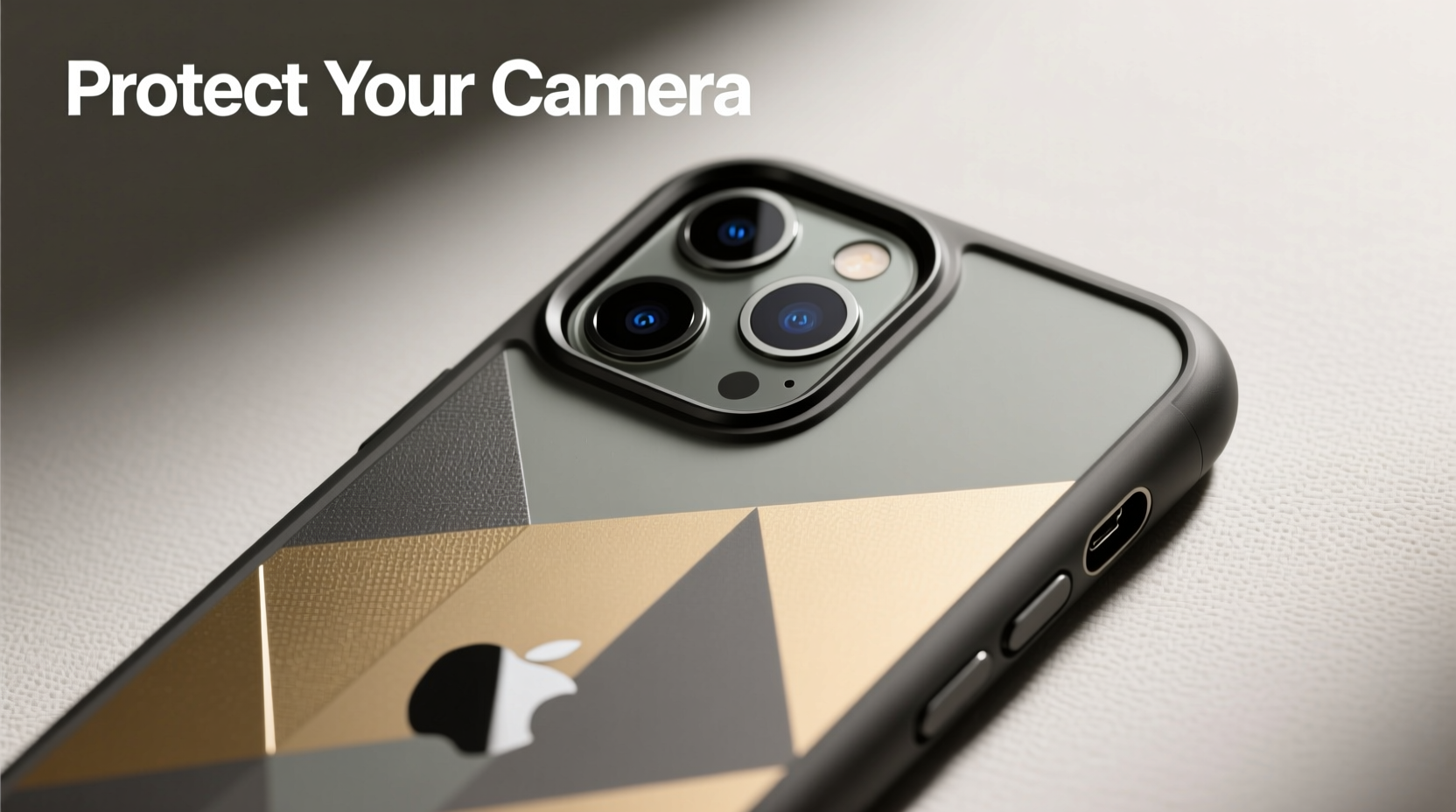
The iPhone 11’s rear camera module protrudes slightly from the back of the phone. This makes it prone to direct contact when placed face-down on surfaces. Even minor abrasions on the sapphire crystal lens cover can degrade photo quality by causing glare, haze, or distortion. More serious impacts can crack the lens or misalign internal components, rendering features like autofocus or optical image stabilization ineffective.
Beyond physical damage, dust and oils from fingers can accumulate on the lens, reducing clarity over time. A well-designed case acts as the first line of defense, lifting the phone off flat surfaces and shielding the camera bump without obstructing the field of view.
“Over 60% of iPhone repair claims involve camera or screen damage. A proper case reduces risk significantly.” — David Lin, Mobile Device Durability Analyst at TechShield Labs
Key Features of a High-Performance Designer Case
Not all stylish cases are created equal. True designer protection combines form and function through specific engineering choices. Look for these critical elements:
- Elevated bezels: A raised edge around each camera lens prevents direct contact with surfaces.
- Precise cutouts: The camera opening must align perfectly—no obstruction, no vignetting.
- Shock-absorbing materials: TPU (thermoplastic polyurethane) inner layers absorb drops, while polycarbonate shells resist deformation.
- Sleek profile: Designer cases avoid bulky appearances while still meeting drop-test standards (e.g., MIL-STD-810G).
- Signature branding or textures: Genuine designer cases use embossing, premium finishes, or unique patterns that distinguish them from generic models.
Top Designer Case Brands That Deliver Style and Safety
A growing number of brands specialize in luxury protection without compromising on impact resistance. These labels invest in material innovation, ergonomic design, and aesthetic detail—making them ideal for iPhone 11 owners who value both safety and sophistication.
| Brand | Style Highlights | Protection Level | Price Range |
|---|---|---|---|
| Incipio | Luxury leather wraps, minimalist silhouettes | MIL-STD drop tested, raised camera lip | $45–$70 |
| OtterBox + Herschel Supply Co. | Heritage canvas finishes, retro colorways | Defender Series-level drop protection | $60–$80 |
| Case-Mate (Brilliant Collection) | Crystal embellishments, iridescent finishes | Shock-absorbent core, scratch-resistant coating | $35–$55 |
| Bellroy | Peelable vegan leather, earth-toned palettes | Drop-safe up to 2 meters, slim profile | $79 |
| PopSockets x Pela | Artistic collaborations, eco-friendly dyes | Compostable bioplastics, flexible grip | $40 |
These brands prove that elegance doesn’t require fragility. Many undergo rigorous testing to ensure they meet durability benchmarks while delivering runway-inspired aesthetics.
How to Choose the Right Case for Your Lifestyle
Your daily routine should guide your choice. A sleek leather case might suit a professional setting, but if you’re frequently outdoors or traveling, rugged hybrid designs offer better peace of mind.
- Assess your environment: Do you work in an office, commute heavily, or engage in outdoor activities? Urban commuters benefit from scratch-resistant coatings; parents may prefer grippy, drop-proof options.
- Consider portability: Thinner cases slide easily into pockets or clutches, while bulkier ones may interfere with wireless charging or MagSafe accessories.
- Evaluate cleaning needs: Textured or patterned surfaces hide smudges better than glossy finishes. Vegan leather wipes clean easily; glitter cases may trap dirt in crevices.
- Check compatibility: Ensure the case supports wireless charging and doesn’t muffle speaker or microphone ports.
- Align with personal style: Whether you lean toward minimalist monochrome or bold artistic prints, choose a case that reflects your identity.
Mini Case Study: From Scratched Lenses to Seamless Style
Sophia, a freelance photographer in Portland, relied on her iPhone 11 for client previews and social media content. After six months, she noticed soft spots in her night photos. A technician found micro-scratches on the ultra-wide lens caused by placing her phone directly on concrete tabletops. She switched to a Bellroy Slim Sleeve case with a reinforced corner structure and elevated camera ring. Over the next year, despite frequent use on shoots, her lenses remained pristine—and her Instagram engagement rose thanks to consistently sharp images.
“I used to think ‘designer’ meant fragile,” she said. “Now I see it as intentional design that works for my life.”
Step-by-Step Guide to Installing and Maintaining Your Designer Case
Even the best case underperforms if not properly maintained. Follow this timeline to maximize longevity and protection:
- Week 1 – Inspection & Break-In: Check all button responsiveness and speaker clarity. Gently flex the case edges to ease installation stress.
- Monthly – Deep Cleaning: Remove the case and wipe both phone and interior lining with a microfiber cloth dampened with 70% isopropyl alcohol. Avoid soaking.
- Every 3 Months – Alignment Check: Take a test photo in low and bright light. Look for shadows in corners (indicating obstructed lens). Re-seat the case if needed.
- Every 6 Months – Wear Assessment: Inspect for yellowing (common in clear TPU), loose joints, or worn edges. Replace if structural integrity is compromised.
- As Needed – Accessory Sync: If using screen protectors or lens filters, confirm they don’t interfere with the case’s fit.
Frequently Asked Questions
Do designer cases affect camera quality?
No—if they’re well-made. Premium cases feature precisely engineered cutouts that don’t interfere with lens focus, flash dispersion, or sensor operation. Poorly designed knockoffs, however, may cause glare or shadowing due to uneven edges or tinted plastic.
Can I use a screen protector and a designer case together?
Absolutely. Most designer cases are built with screen protector compatibility in mind, often including slightly raised bezels to prevent front-glass contact during drops. Just ensure the case doesn’t overlap the screen’s edge, which could interfere with adhesive-based protectors.
Are eco-friendly designer cases durable enough?
Yes. Brands like Pela and Bellroy use compostable bioplastics and flaxstic blends that meet drop-test standards. While they may show wear faster than rigid polycarbonate, they offer excellent protection with a lower environmental footprint.
Final Thoughts: Elevate Protection Without Compromising Design
Protecting your iPhone 11’s camera doesn’t mean hiding it under a bulky, utilitarian shell. Today’s designer cases offer intelligent solutions—engineered to guard against drops, scratches, and daily hazards while expressing your personal taste. From sustainable materials to collaborative artist editions, the market delivers both innovation and inspiration.
The best case does more than shield your device—it enhances how you interact with it. When safety meets style, your iPhone becomes an extension of your lifestyle, not just a tool.
💬 Found your perfect blend of style and protection? Share your favorite designer case brand or tip in the comments—your insight could help others make smarter choices!