Tweed has long been a symbol of timeless elegance, blending heritage charm with modern sophistication. When crafted into a mini dress, it becomes a powerful fashion statement—structured, chic, and effortlessly polished. But not all tweed mini dresses flatter every figure. The key lies in understanding how fabric texture, cut, neckline, sleeve style, and hemline interact with your unique body shape. Whether you're an hourglass, pear, apple, rectangle, or petite frame, the right tweed mini dress can accentuate your best features and create a balanced silhouette.
Unlike softer knits or flowing silks, tweed is a structured fabric with inherent volume. This makes fit and proportion especially important. A well-chosen tweed mini dress enhances posture, elongates the legs, and draws attention where you want it. With the right guidance, anyone can wear this classic piece with confidence and grace.
Understanding Body Shapes and Tweed’s Role
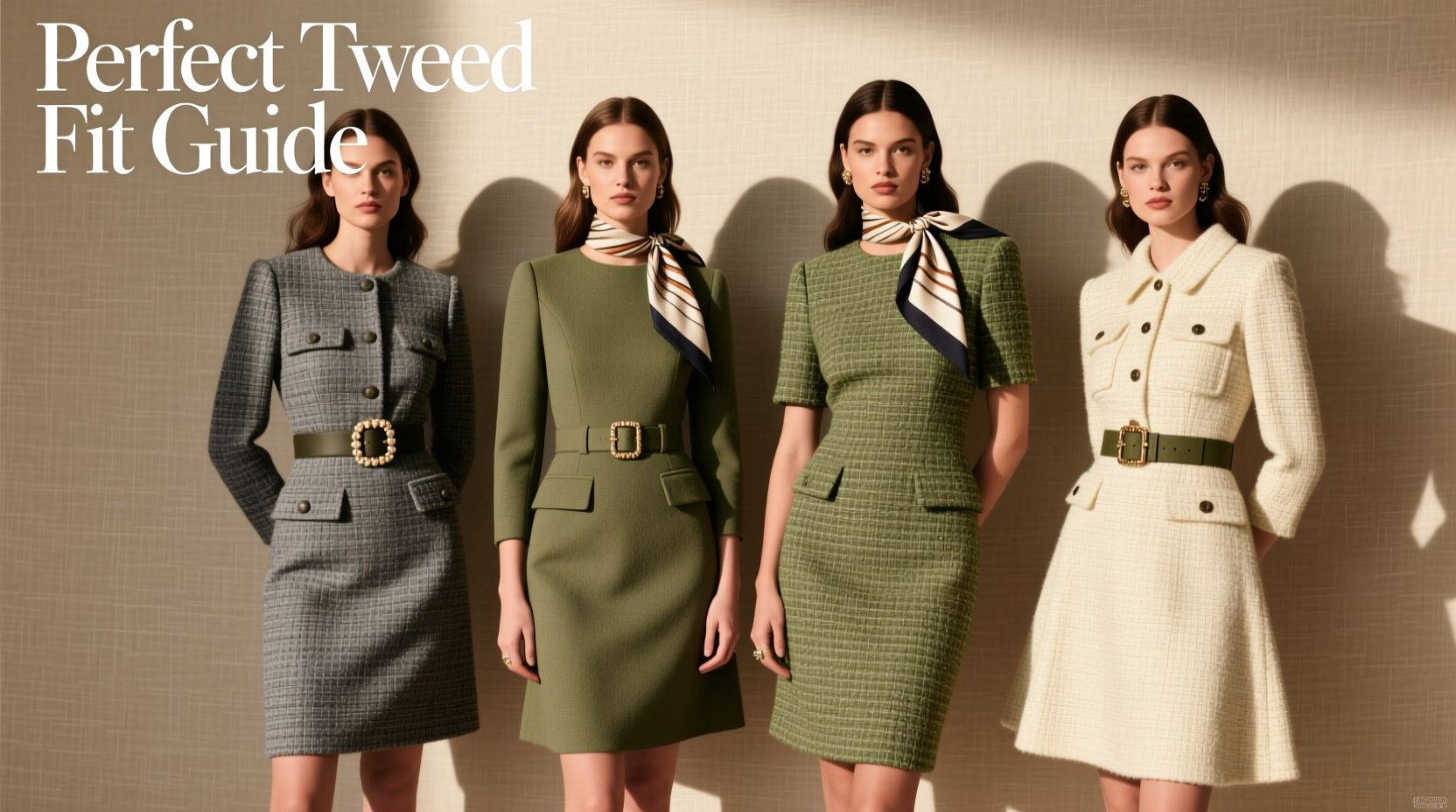
The foundation of choosing any garment begins with understanding your body shape. Tweed’s textured weave and typically stiff drape behave differently than lightweight fabrics, so tailoring your selection to your proportions is essential. Here are the five most common body types and how tweed interacts with each:
- Hourglass: Balanced bust and hips with a defined waist. Ideal for nipped-waist tweed styles that highlight curves.
- Pear (Triangle): Hips wider than shoulders. Benefits from structured bodices and A-line skirts to balance lower volume.
- Apple (Inverted Triangle): Broader shoulders and bust, narrower hips. Needs V-necks and empire waists to elongate the torso.
- Rectangle (Straight): Minimal waist definition. Requires belted or seamed tweed designs to create shape.
- Petite: Shorter stature. Should opt for higher waistlines and shorter hems to avoid being overwhelmed by fabric bulk.
Choosing the Right Cut for Your Frame
The cut of a tweed mini dress determines how it drapes over your body. Because tweed doesn't cling or stretch, structure becomes your ally. Below is a guide to optimal cuts per body type:
| Body Shape | Best Cut | Avoid |
|---|---|---|
| Hourglass | Fitted sheath with belt or waist seam | Oversized boxy silhouettes |
| Pear | A-line with structured shoulder detail | Tight pencil skirts or low necklines |
| Apple | V-neck with empire waist or wrap style | High necks with full sleeves |
| Rectangle | Belted shift or peplum detailing | Unstructured straight cuts |
| Petite | Mini length with high waist and minimal trim | Longline jackets or bulky trims |
“Tweed isn’t just for older women or winter days—it’s a year-round fabric when styled with intention. The right cut transforms it from rigid to radiant.” — Clara Montague, Fashion Stylist & Textile Consultant
Details That Make the Difference
Beyond silhouette, small design elements significantly impact how a tweed mini dress flatters your form. Pay close attention to:
Neckline
A deep V-neck elongates the torso, ideal for apples and rectangles. Boat necks add width to shoulders, balancing pear shapes. Round necks work universally but look best when paired with a delicate chain to draw eyes upward.
Sleeves
Three-quarter sleeves offer coverage without heaviness. Cap sleeves emphasize narrow shoulders, while puff sleeves add volume where needed—great for petites or those with straight frames. Avoid overly wide or stiff sleeves if you carry weight in the upper arms.
Hemline
A true mini hits mid-thigh, which visually lengthens legs. For curvier figures, slightly longer hemlines (just above the knee) maintain modesty without sacrificing proportion. Asymmetrical hems add movement and interest but should be worn with care—ensure they don’t accentuate hip width unintentionally.
Waist Definition
This is crucial. Even if the dress isn’t naturally belted, consider adding a slim leather or fabric belt in a contrasting color. It breaks up the tweed’s density and creates a focal point at the smallest part of your torso.
Tip: Choose a belt one to two inches thinner than your natural waist measurement for a flattering cinch.Step-by-Step Guide to Finding Your Perfect Tweed Mini Dress
Follow this practical timeline to ensure you select a dress that fits both your body and lifestyle:
- Identify your body shape using mirror assessment or professional styling tools.
- Determine your preferred occasion—workwear, weekend brunch, cocktail event—and choose tweed weight accordingly (lighter weaves for day, denser for evening).
- Select a base color that complements your skin tone: navy and charcoal suit cool undertones; camel and warm greys enhance warm complexions.
- Try on three different silhouettes based on your shape (e.g., belted, A-line, wrap).
- Check mobility: Sit, walk, and raise your arms to test comfort and coverage.
- Evaluate accessorizing potential: Can it pair with tights, boots, or heels? Does it layer under coats?
- Finalize with personal flair: Add a silk scarf, vintage brooch, or statement earrings to make it uniquely yours.
Real-Life Example: From Overwhelmed to Confident
Lena, a 34-year-old teacher with a pear-shaped figure, avoided tweed for years, believing it “added bulk” to her hips. During a wardrobe refresh, her stylist suggested a charcoal-and-cream herringbone tweed mini dress with a boxy cropped jacket top and flared skirt. The structured bodice balanced her narrower shoulders, while the A-line hem gently skimmed her hips. She added a slim black belt and knee-high boots. The result? A polished, proportionate look that earned compliments at parent-teacher night. “I finally see tweed as empowering,” she said. “It’s not hiding me—it’s highlighting my strength.”
Essential Checklist Before You Buy
Use this checklist to evaluate any tweed mini dress before purchase:
- ✅ Fits snugly but allows room for a light sweater underneath (if needed)
- ✅ Hemline sits at least two inches above the knee for a modern mini look
- ✅ No pulling across bust, back, or shoulders when arms are raised
- ✅ Lining feels smooth and prevents itching (important with coarse tweed)
- ✅ Seam placement aligns with natural waist or desired focal point
- ✅ Color includes subtle flecks that complement your hair and eye tones
- ✅ Pockets (if present) are flat and don’t distort the silhouette
Frequently Asked Questions
Can I wear a tweed mini dress if I’m overweight?
Absolutely. Opt for darker base colors like navy, black, or deep grey with vertical textures (houndstooth or pinstripe). Look for dresses with slight stretch lining and strategic seaming to contour the body. Avoid excessive embellishments or oversized lapels that add visual weight.
Is tweed appropriate for summer events?
Yes, if you choose lighter-weight blends. Modern tweeds incorporate cotton, linen, or silk threads for breathability. Pair with sandals and minimal layers for garden parties or outdoor weddings. Avoid heavy wool versions in hot climates.
How do I keep my tweed mini dress from looking too severe?
Soften the look with feminine accessories: a silk blouse underneath, ankle boots with a heel, or delicate jewelry. Roll up sleeves casually or leave the top button undone. Choose tweed with colorful yarn flecks rather than monochrome weaves.
Final Thoughts: Own Your Style with Confidence
Choosing the perfect tweed mini dress isn’t about conforming to trends—it’s about celebrating your shape with intelligent design. From neckline to hem, every detail should serve both function and beauty. When you find the right cut, you’re not just wearing a dress; you’re stepping into a version of yourself that feels put-together, powerful, and polished.
💬 Found your ideal tweed silhouette? Share your go-to styling trick in the comments and inspire others to embrace their unique elegance.