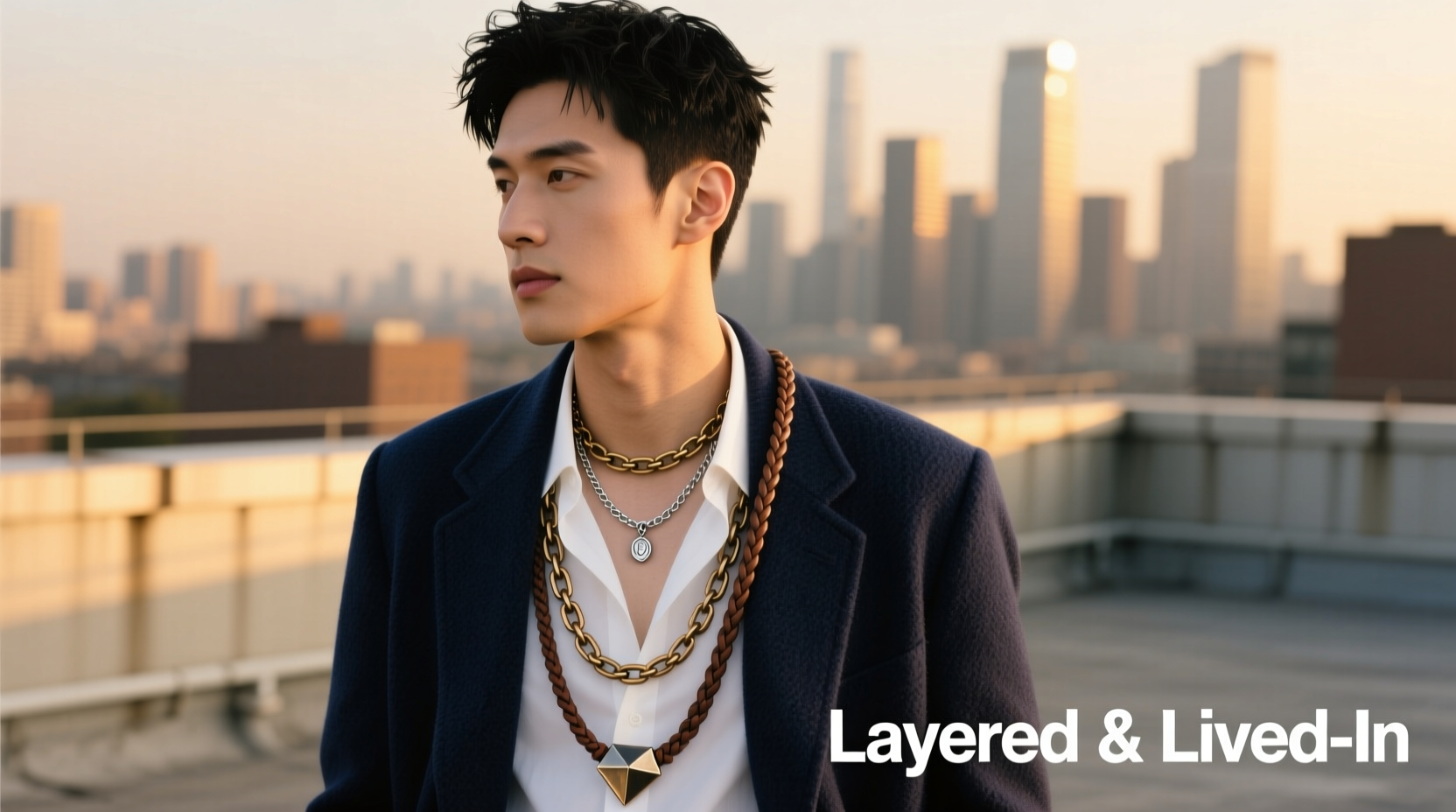
Layering men’s necklaces has evolved from a niche fashion statement into a mainstream trend embraced by style-conscious individuals across the globe. No longer limited to hip-hop or streetwear culture, layered chains now appear in boardrooms, casual outings, and red carpet events alike. When done right, necklace layering adds depth, dimension, and personality to an outfit—transforming even the simplest ensemble into something bold and expressive.
The key to mastering this trend lies not in stacking as many pieces as possible, but in curating a combination that balances proportion, texture, and personal identity. With the right approach, you can elevate your wardrobe while maintaining authenticity and sophistication.
Understand the Basics of Necklace Lengths
Before diving into combinations, it’s essential to understand how chain length affects the overall look. Men’s necklaces typically range from 16 to 30 inches, and each length sits differently on the body:
| Length (inches) | Name | Where It Sits | Best For |
|---|---|---|---|
| 16–18 | Choker / Collar | Tight around the base of the neck | Solo wear or top layer in stacks |
| 20–22 | Princess | Just below the collarbone | Middle layer; most versatile |
| 24–26 | Matinee | Mid-chest level | Anchor piece or solo statement |
| 28–30+ | Opera / Rope | Deep chest or over clothing layers | Draped looks or outermost layer |
A well-layered stack usually includes three lengths: short, medium, and long. This creates visual hierarchy and prevents tangling. Start with a choker-length chain as the top layer, add a 20–22 inch piece in the middle, and finish with a 24+ inch chain as the foundation.
Tip: Always measure your necklaces before wearing. A difference of just 2 inches can drastically change how layers fall.Choose Complementary Chain Styles and Textures
Variety in chain design enhances visual interest without overwhelming the eye. Mixing textures allows each piece to stand out while contributing to a cohesive whole.
Popular men’s chain types include:
- Box Chain: Sleek, modern, and highly reflective. Ideal for clean, minimalist layering.
- Cuban Link: Thick, braided, and bold. Best used as a standalone or anchor piece.
- Figaro: Alternating short and long links. Offers classic Mediterranean flair.
- Snake Chain: Smooth, flexible, and shiny. Great for subtle contrast.
- Rope Chain: Twisted design with high shine. Makes a strong statement.
- Ball Chain: Simple and utilitarian. Perfect for lightweight pendants.
A balanced stack often combines one bold chain with two more delicate ones. For example, pair a 24-inch Cuban link with a 20-inch box chain and an 18-inch ball chain. The contrast in thickness draws attention without clashing.
“Layering isn’t about quantity—it’s about harmony. One thick chain paired with two refined pieces can speak louder than five competing styles.” — Marcus Reed, Menswear Stylist & Creative Director at Threadline Studio
Step-by-Step Guide to Building Your First Layered Look
If you’re new to layering, follow this simple process to build a polished, intentional stack:
- Start with a base outfit. Choose a shirt or tee that complements your intended vibe—plain white tees work well for casual looks, while button-downs suit smarter ensembles.
- Select your longest chain first. This will serve as the foundation. Opt for a medium-thick chain between 24–26 inches.
- Add a mid-length chain (20–22 inches). Choose a different texture—e.g., if your base is Cuban link, go with a box or snake chain.
- Top it off with a shorter chain (16–18 inches). Keep it simple—a thin cable or ball chain works best.
- Incorporate pendants thoughtfully. Limit yourself to one or two pendants max. Avoid placing them on every chain, which can look cluttered.
- Adjust and assess. Put on the layers and check how they drape. Ensure they don’t tangle and that each piece is visible.
Personalize with Pendants and Meaningful Charms
Pendants are where personalization truly shines. They transform jewelry from mere accessories into expressions of identity, heritage, or belief.
Common meaningful pendants include:
- Crosses – symbolizing faith or cultural roots
- Hamsa hands – representing protection and luck
- Ankh symbols – honoring Egyptian heritage or spiritual balance
- Initials or nameplates – celebrating individuality
- Evil eye charms – believed to ward off negativity
- Nature motifs (wolves, trees, mountains) – reflecting personal values
When using pendants, place them on the middle or longest chain so they rest prominently over the chest. Avoid mixing too many symbols—choose one or two that resonate deeply with you.
Mini Case Study: How Alex Built His Signature Stack
Alex, a 32-year-old graphic designer in Brooklyn, wanted to refine his everyday look. He owned several chains but wore them only individually. After experimenting, he created a signature stack: an 18-inch silver box chain (no pendant), a 22-inch Figaro chain with a small cross, and a 26-inch rope chain with a custom dog tag engraved with his initials.
The result? A layered look that felt authentic and stylish. “People started noticing,” he said. “Clients complimented me, and I felt more confident. It became part of my brand—literally and figuratively.”
Do’s and Don’ts of Men’s Necklace Layering
| Do’s | Don’ts |
|---|---|
| Stick to 2–3 chains maximum for beginners | Overload with more than four chains |
| Mix metals carefully (e.g., silver and gunmetal) | Mix gold, silver, and rose gold without coordination |
| Use a chain limiter or adjustable clasp for fit control | Let chains hang unevenly due to poor sizing |
| Match your jewelry to your neckline (V-necks allow deeper layers) | Wear long layers under high collars where they’re hidden |
| Invest in quality materials like stainless steel or sterling silver | Use cheap plated chains that tarnish quickly |
Frequently Asked Questions
Can I layer necklaces with different metal tones?
Yes—but do it intentionally. Mixing silver and black gunmetal creates a modern edge. Combining gold and silver can work if both are high-quality and part of a deliberate aesthetic. Avoid mismatched plating or worn finishes, as these look accidental rather than styled.
How do I keep my layered necklaces from tangling?
Store them flat or hung separately when not in use. Before wearing, lay them out in order of length and put them on one at a time. Consider using anti-tangle clasps or silicone thread guards available at jewelry supply stores.
Is layering appropriate for professional settings?
It depends on the workplace. In creative industries, subtle layering (e.g., two thin chains) is widely accepted. In conservative environments, opt for a single elegant chain. When in doubt, lean toward minimalism during work hours and express bolder styles after hours.
Final Thoughts: Make It Yours
Layering men’s necklaces isn’t about following trends blindly—it’s about crafting a look that feels uniquely yours. Whether you’re drawn to rugged symbolism, sleek minimalism, or cultural expression, your jewelry should reflect who you are and how you want to be seen.
Start small. Experiment with lengths and textures. Pay attention to how different combinations make you feel. Over time, you’ll develop a signature style that turns heads—not because it’s flashy, but because it’s authentically you.
💬 What does your ideal necklace stack look like? Share your favorite combinations or styling challenges in the comments—let’s build a community of confident, expressive men redefining modern style.