
Choosing between a stitch backpack and a rolling backpack isn’t just about aesthetics—it’s a decision that impacts daily comfort, long-term durability, and practicality. With students, commuters, and frequent travelers weighing their options, the debate often comes down to one central question: does the charm of a stylish stitched design last, or does the functional advantage of wheels win out over time? The answer depends on usage patterns, physical demands, and lifestyle needs.
While stitch backpacks—crafted with attention to detail, reinforced seams, and premium fabrics—offer a sleek, lightweight profile, rolling backpacks promise reduced strain through mobility. But as convenience meets longevity, many users find themselves reconsidering which option truly delivers value over months or years of use.
The Anatomy of Each Design
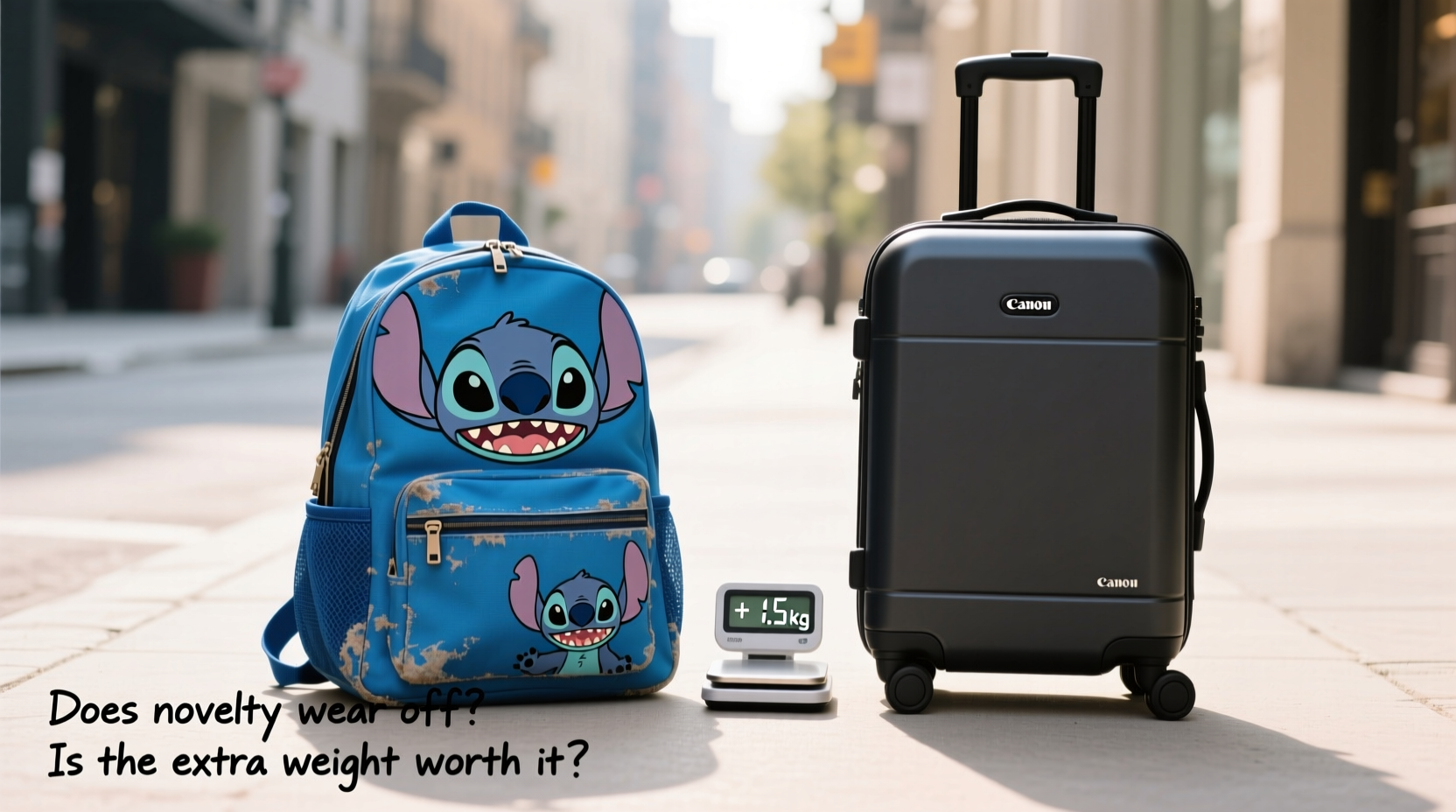
A stitch backpack emphasizes craftsmanship. Its structure relies on tightly woven fabrics, precision stitching, and ergonomic support systems. These packs are typically made from durable materials like ballistic nylon, waxed canvas, or recycled polyester, with padded shoulder straps and contoured back panels designed for load distribution. They’re built to carry moderate to heavy loads comfortably across varied terrain—especially stairs, uneven sidewalks, or crowded transit environments.
In contrast, a rolling backpack functions more like hybrid luggage. It features retractable handles and dual inline wheels, allowing users to pull the bag rather than carry it. Most models include fold-out backpack straps for situations where wheels aren't practical—such as climbing escalators or navigating cobblestone streets. However, this versatility adds bulk and increases overall weight by 1.5 to 3 pounds compared to a standard backpack of similar capacity.
Tip: If you frequently navigate multi-level buildings or public transit with stairs, prioritize portability over wheels.Comfort Over Time: When Novelty Meets Reality
At first glance, rolling backpacks seem like a no-brainer for reducing physical strain. For those managing heavy textbooks, laptops, or travel gear, pulling a load can feel like liberation from shoulder pain. Yet, after several weeks of consistent use, many users report diminishing returns.
The novelty wears off when they encounter environments not designed for wheeled bags: broken pavement, gravel paths, subway gaps, or packed buses. Maneuvering becomes frustrating, and the need to lift the bag repeatedly defeats the original purpose. Worse still, the added structural components—wheels, axles, and metal frames—are common failure points. A single cracked wheel housing can render the entire pack unusable unless repaired.
On the other hand, well-constructed stitch backpacks mature with use. High-quality stitching redistributes stress across multiple anchor points, preventing localized wear. Over time, users adapt to carrying weight on their backs, especially if the pack fits properly and includes chest or hip stabilizers. As Dr. Lena Torres, an ergonomics consultant at the Urban Mobility Institute, explains:
“Properly fitted backpacks engage core stability and promote better posture than pulling a rolling bag, which often leads to lateral imbalance and repetitive strain in the dominant arm.” — Dr. Lena Torres, Ergonomics Consultant
Comparative Breakdown: Key Features Side-by-Side
| Feature | Stitch Backpack | Rolling Backpack |
|---|---|---|
| Average Weight | 2.0 – 3.5 lbs | 3.5 – 6.0 lbs |
| Durability (with care) | High – resistant to wear | Moderate – vulnerable wheel/axle damage |
| Best For | Daily commutes, hiking, air travel, urban navigation | Long-distance walking on smooth surfaces, heavy academic loads |
| Maintenance Needs | Minimal – occasional cleaning and strap checks | Regular – wheel alignment, handle retraction, axle lubrication |
| Lifespan Estimate | 5–8 years | 2–4 years (often less due to mechanical failure) |
Real-World Test: A Semester with Both Packs
Jamie, a university sophomore studying architecture, decided to test both types during her spring semester. She started with a high-end rolling backpack marketed for students with heavy course loads. For the first three weeks, she praised its ease on her shoulders. But as campus construction rerouted foot traffic onto unpaved detours, the wheels jammed with debris. By week six, one wheel wobbled so badly she had to carry it most days anyway.
She switched to a minimalist stitch backpack with ventilated back padding and water-resistant zippers. Though initially skeptical about carrying weight, she adjusted within two weeks. Using a packing strategy—placing heavier items closer to her spine—she found it more comfortable overall. “I thought I needed wheels,” she admitted in a follow-up interview, “but what I really needed was better weight distribution and a lighter laptop.”
Her experience reflects a broader trend: perceived convenience doesn’t always translate to sustained usability.
When a Rolling Backpack Makes Sense
Despite limitations, rolling backpacks have legitimate niches. They shine in specific scenarios:
- Travelers moving through large airports with long concourses
- Students in sprawling, flat campuses with paved pathways
- Individuals with diagnosed back or shoulder conditions limiting carry capacity
- Frequent rail commuters using stations with elevators and smooth boarding
Even then, success depends on choosing a model with removable backpack straps, all-terrain wheels, and a telescoping handle with multiple height settings. Look for brands that offer replaceable wheels or modular parts—this extends lifespan and reduces waste.
Tip: Always remove electronics and fragile items before rolling; vibrations can cause internal damage over time.Step-by-Step: Choosing the Right Pack for Your Lifestyle
- Assess your daily route: Map out whether you regularly encounter stairs, gravel, or narrow spaces.
- Weigh your typical load: Anything over 20 lbs may justify wheels—if terrain allows.
- Test carry options: Try both styles loaded with your usual contents.
- Check return policies: Buy from retailers offering 30-day trials to evaluate long-term comfort.
- Evaluate repair options: Can the manufacturer fix or replace worn components?
FAQ
Can I use a stitch backpack for air travel?
Absolutely. Most stitch backpacks fit under seats or in overhead bins, especially those under 45 liters. Their flexibility makes them ideal for carry-on use without check-in fees.
Are rolling backpacks allowed on planes?
Yes, but only if they meet carry-on size requirements. Be prepared to lift them into overhead bins, which can be difficult if fully loaded.
Do stitch backpacks wear out faster than rolling ones?
No—in fact, the opposite is often true. Without mechanical parts prone to breakage, stitch backpacks tend to last longer with basic care like spot-cleaning and storing away from moisture.
Final Verdict: Worth the Weight?
The extra weight of a rolling backpack is justified only when the environment consistently supports wheeled mobility. For most people navigating mixed terrain, multi-floor buildings, or unpredictable weather, the stitch backpack proves more reliable, durable, and ultimately more comfortable over time. The initial appeal of rolling ease fades when confronted with real-world obstacles.
That said, personal needs vary. Someone with chronic back issues or a mile-long commute on smooth pavement may find lasting value in a well-built roller. But for the majority, investing in a high-quality stitch backpack—with thoughtful ergonomics and robust materials—delivers greater long-term utility.
💬 Have you switched from rolling to stitching—or vice versa? Share your story below. Your experience could help someone make a smarter, more sustainable choice.