
Packing a large gym bag often feels like solving a puzzle with too many pieces. You throw in clothes, shoes, toiletries, electronics, and water bottles, only to end up with a disorganized mess that makes finding anything a chore. A spacious gym bag should be an asset, not a burden. With smart organization, strategic layering, and intentional planning, you can transform your gym routine into a seamless experience. The goal isn’t just to fit everything—it’s to make every item accessible, protected, and easy to manage.
1. Choose the Right Bag Layout
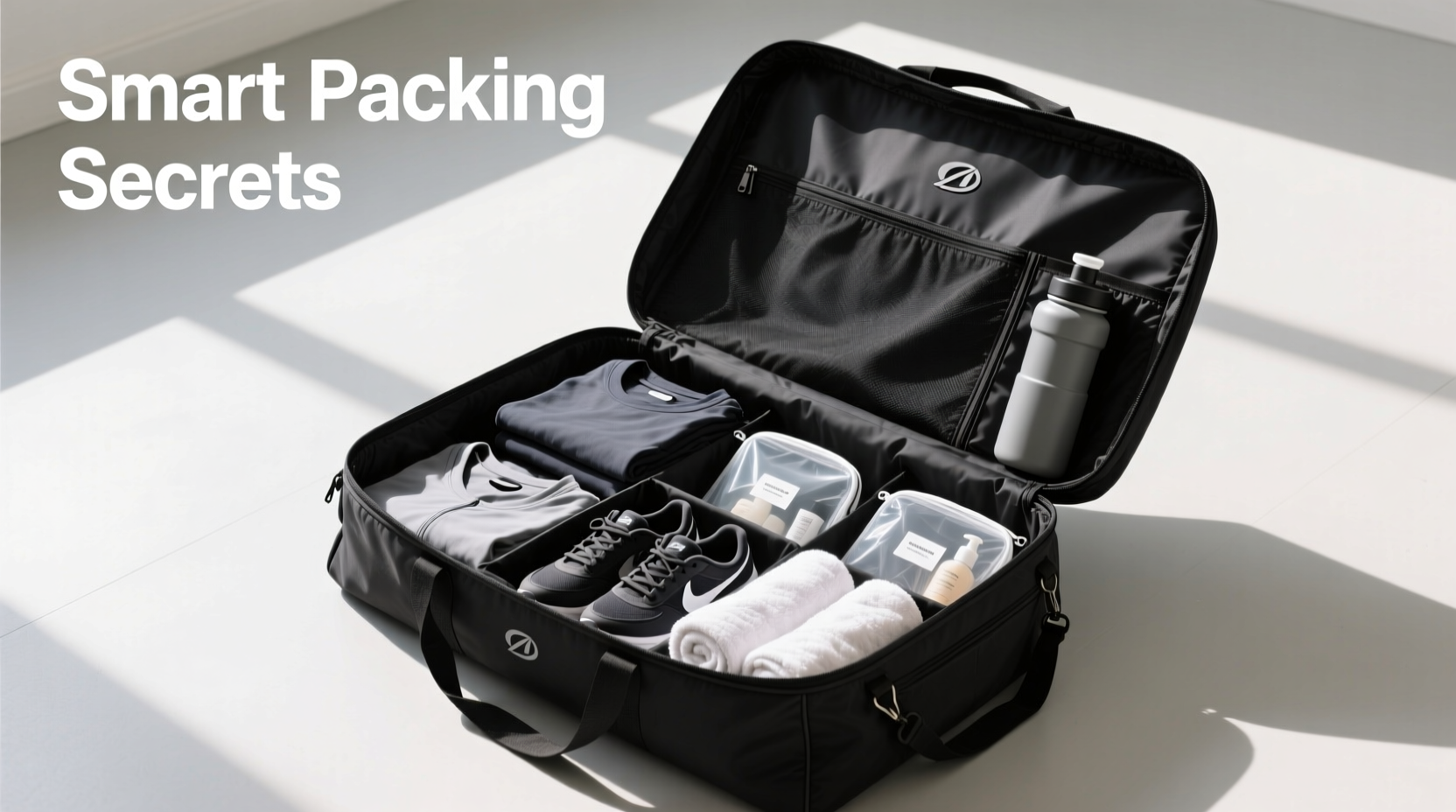
Not all large-capacity gym bags are created equal. Before you even begin packing, assess your bag’s internal structure. Look for compartments: main storage, ventilated shoe pockets, insulated drink sleeves, zippered security pockets, and exterior quick-access slots. These features aren't just marketing fluff—they're tools for smarter packing.
A well-designed gym bag functions like a mobile command center. For example, a dedicated shoe compartment prevents dirt and moisture from contaminating clean clothes. An insulated sleeve keeps your post-workout protein shake cold. Internal mesh pockets help separate sweaty towels from electronics. When choosing or evaluating your current bag, ask: does it support how I actually use it?
Tip: Rotate your gym bag quarterly to inspect wear, clean compartments, and reassess whether it still fits your fitness lifestyle.2. Use the Layering Method for Maximum Efficiency
Efficient packing follows a logical sequence—like building layers in a suitcase. Start with the heaviest, bulkiest items at the bottom, then work upward with lighter, frequently used items on top. This prevents crushing delicate gear and ensures what you need first is easiest to reach.
- Base Layer: Shoes and heavy resistance bands. Place them in a ventilated compartment or sealed bag to contain odor and grime.
- Middle Layer: Workout clothes rolled tightly to save space. Include extra socks and undergarments here.
- Upper Layer: Towel (preferably microfiber), hygiene kit, and accessories like headphones or gloves.
- Top Pocket / External Access: Phone, keys, wallet, and post-workout snack.
- Sides & Insulated Pockets: Water bottle and chilled meal or drink.
Rolling clothes instead of folding reduces wrinkles and air pockets, saving up to 30% more space. Compression cubes, though more common in travel, can also be used in gym bags to group similar items—such as all upper-body clothing or recovery tools.
3. Organize by Frequency and Function
Think like a systems engineer: categorize your gym essentials based on how often and when you use them. This prevents overpacking and streamlines retrieval.
| Category | Items | Storage Tip |
|---|---|---|
| Daily Essentials | Workout clothes, shoes, towel, water bottle | Keep pre-packed; refresh weekly |
| Hygiene & Care | Deodorant, wipes, toothbrush, small shampoo | Use a leak-proof toiletry bag |
| Nutrition | Protein bar, shaker, electrolyte packets | Store shaker disassembled to prevent mold |
| Electronics & Accessories | Headphones, smartwatch charger, phone | Use padded pouch to avoid damage |
| Occasional Items | Yoga mat, foam roller, jump rope | Carry separately or roll compactly |
By organizing this way, you eliminate decision fatigue. You know exactly where each category lives, and you can swap out seasonal items—like switching from shorts to thermal leggings—without reorganizing the entire bag.
4. Real-World Example: Alex’s Transformation from Chaos to Control
Alex, a software developer and regular at early-morning HIIT classes, used to spend 15 minutes every day unpacking his overstuffed duffel, searching for his heart rate monitor or clean socks. His bag was large—45L—but felt chaotic. After adopting a structured packing system, he implemented three changes:
- Labeled small dry bags for “Tech,” “Hygiene,” and “Nutrition.”
- Pre-packed workout clothes on Sunday nights, stored in the middle compartment.
- Used a collapsible water bottle to free up space when empty.
The result? His morning prep time dropped to under five minutes. He no longer forgot essentials, and his bag stayed cleaner because dirty shoes were fully isolated. “It’s not just about convenience,” Alex said. “It made me more consistent with my workouts because there’s zero friction getting ready.”
5. Expert Insight: What Fitness Coaches Recommend
Professional trainers and sports organizers emphasize that efficiency in preparation directly impacts performance and consistency. Maria Thompson, a certified strength coach and gym operations consultant, puts it plainly:
“Time saved in setup is time gained in recovery or training. Athletes who pack intentionally show better adherence to routines. It’s a small habit with compound benefits.” — Maria Thompson, CSCS, Performance Coach
She recommends treating your gym bag like a race-day kit: everything has a place, nothing is improvised. Even if you’re not training competitively, the principle holds. Clarity reduces stress. Predictability builds discipline.
Step-by-Step Weekly Packing Routine
To maintain long-term efficiency, follow this repeatable process every week:
- Sunday Evening: Empty and wipe down the interior of your gym bag with a disinfectant cloth.
- Assess Needs: Check your workout schedule. Will you need swim gear on Wednesday? Boxing gloves on Friday?
- Pre-Pack Core Items: Roll clothes, load toiletries, charge devices, fill water bottle.
- Label Compartments: Use color-coded pouches or tags if sharing a locker or traveling.
- Friday Reset: Remove everything, launder clothes, recharge gadgets, and refresh supplies.
This rhythm prevents last-minute scrambling and keeps your gear in optimal condition. Over time, it becomes automatic—like brushing your teeth.
Common Pitfalls and How to Avoid Them
Even experienced gym-goers fall into traps that undermine their efforts. Here are frequent mistakes and their solutions:
Tip: Never leave damp towels or sweaty clothes in your bag overnight. It breeds bacteria and creates odors that are hard to remove.- Overpacking: Just because the bag is big doesn’t mean you need to fill it. Stick to a checklist.
- Mixing Wet and Dry Items: Always use sealed, waterproof bags for damp gear.
- Ignoring Weight Distribution: Heavy items should be centered and close to your back when carrying.
- Using the Bag as Storage: Don’t let it become a dumping ground between uses. Empty it regularly.
FAQ: Common Questions About Gym Bag Organization
How do I prevent bad smells in my gym bag?
Odors come from trapped moisture and bacteria. Always air out your bag after use. Place a moisture-absorbing sachet (like silica gel or baking soda in a breathable cloth) in a side pocket. Wash removable liners monthly, and wipe down non-washable interiors with a vinegar-water solution (1:3 ratio).
Can I pack a laptop in my gym bag safely?
Yes—if your bag has a padded laptop sleeve designed for protection. Otherwise, use a protective case and place it in the center of the bag, away from liquids and heavy objects. Never store a hot laptop directly in fabric pockets; allow it to cool first.
What’s the best way to carry a yoga mat with a large gym bag?
If your bag lacks a mat strap, roll the mat tightly and secure it with Velcro straps or a bungee cord. Alternatively, invest in a foldable mat that fits inside the main compartment. Some athletes prefer carrying mats separately to preserve bag ergonomics.
Final Thoughts: Turn Your Gym Bag Into a Performance Tool
Your gym bag is more than a container—it’s an extension of your fitness mindset. When it’s thoughtfully packed, it supports consistency, saves time, and reduces daily friction. The strategies outlined here aren’t about perfection; they’re about progress. Start with one change: designate a spot for your shoes, or create a simple checklist. Build from there.
Efficiency isn’t flashy, but its impact is undeniable. Every second saved, every forgotten item avoided, adds up across weeks and months. Whether you're heading to the gym, studio, or outdoor session, arrive prepared—not frazzled.
🚀 Ready to upgrade your routine? Pick one strategy from this guide and implement it today. Share your favorite packing hack in the comments and help others train smarter.