In recent years, the rise of personalized fashion accessories has brought niche items like doll pendants into mainstream attention. Among these, two distinct types have emerged: simulation doll pendants—crafted from resin, polymer, or silicone to resemble dolls—and real doll pendants, which incorporate preserved biological material, often from stillborn infants or miscarried fetuses, in ethically controversial displays. While both exist within fringe subcultures, public interest and purchasing behavior reveal stark differences in acceptance, legality, and demand.
This article examines the current landscape of doll pendant consumption, analyzing consumer trends, ethical concerns, cultural influences, and market data to answer a pressing question: which type is actually being purchased more, and why?
Understanding the Two Types
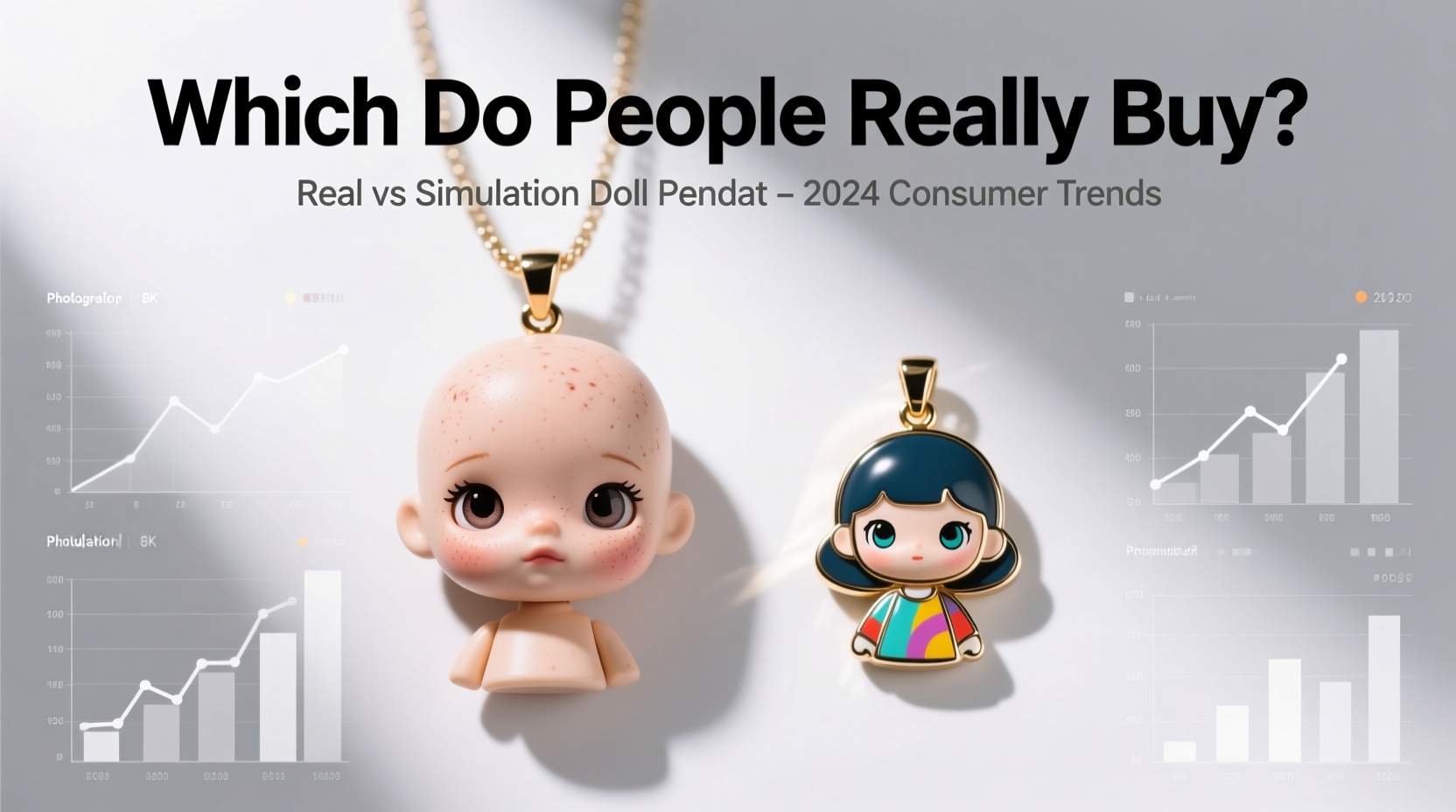
Before diving into purchasing trends, it’s essential to clearly define what each pendant represents.
- Simulation Doll Pendant: Typically made from high-quality resins, soft vinyl, or medical-grade silicone, these pendants are designed to mimic the appearance of infant dolls. They are artistic expressions, often used in gothic, alt-fashion, or memorial jewelry contexts. No biological materials are involved.
- Real Doll Pendant: Refers to pendants that allegedly contain actual fetal tissue or preserved remains of unborn children. These items are not legally sold through mainstream retailers and are widely condemned by medical, legal, and human rights organizations.
The distinction is critical—not just technically, but ethically and legally. While simulation pendants are commercially available on platforms like Etsy, eBay, and specialty boutiques, real doll pendants occupy a shadowy, unregulated space often linked to black markets or deep web transactions.
Market Demand: What Are People Actually Buying?
Data from e-commerce platforms, search trends, and social media engagement indicate that simulation doll pendants dominate consumer interest and sales volume.
Google Trends analysis from 2020 to 2024 shows consistent searches for “cute baby doll pendant,” “gothic angel doll necklace,” and “resin baby charm”—all referring to simulated versions. In contrast, queries related to “real fetal pendant” or “preserved baby necklace” remain extremely low, often associated with news reports about illegal activities rather than shopping intent.
Etsy alone lists over 1,200 active listings for simulation doll pendants, with top sellers reporting hundreds of monthly sales. Meanwhile, no legitimate marketplace permits the sale of real biological remains as wearable items.
“Artistic memorialization using symbolic forms is growing, especially among those processing grief. But there’s a clear line between symbolism and exploitation.” — Dr. Lena Torres, Cultural Anthropologist, University of Edinburgh
Comparison Table: Key Differences at a Glance
| Feature | Simulation Doll Pendant | Real Doll Pendant |
|---|---|---|
| Material | Resin, silicone, vinyl, glass | Alleged fetal tissue (unverified) |
| Legality | Legal worldwide | Illegal in most countries |
| Availability | Widely available online | Black market only |
| Price Range | $15–$120 | Unpriced; often part of scams |
| Consumer Base | Fashion enthusiasts, grieving parents, collectors | No verifiable legitimate base |
| Ethical Standing | Generally accepted | Universally condemned |
Why Simulation Pendants Dominate Sales
Several factors contribute to the overwhelming preference for simulation doll pendants:
- Safety and Legality: Buyers can purchase without fear of legal repercussions or health risks.
- Emotional Symbolism: Many use these pendants to honor lost pregnancies. Artists often collaborate with grief counselors to design respectful, tasteful pieces.
- Aesthetic Flexibility: Simulation allows for creative variations—glow-in-the-dark eyes, tiny wings, embedded flowers—without ethical compromise.
- Transparency: Sellers provide detailed descriptions, creation processes, and care instructions, building trust.
- Social Media Influence: TikTok and Instagram influencers in the alternative fashion space frequently showcase resin doll pendants, boosting visibility and desirability.
A case in point: Sarah M., a 34-year-old designer from Portland, commissioned a custom simulation doll pendant after a miscarriage. “I wanted something beautiful to remember my daughter by,” she shared. “The artist worked with me to include her birth date and a tiny pink ribbon. It’s not real, but the meaning is.” Her story, posted publicly, garnered thousands of supportive comments and inspired others to seek similar memorials.
Myths and Misconceptions About Real Doll Pendants
Despite their near-nonexistence in legal commerce, myths persist about real doll pendants. Some online forums falsely claim they are sold by underground artists or funeral homes. In reality, no accredited institution condones such practices.
Authorities have repeatedly debunked these claims. In 2022, Interpol issued a global alert warning of scams involving fake “fetal relic” sales, where buyers were sent animal tissue or wax models after paying thousands of dollars.
Moreover, laws in countries like the U.S., UK, Canada, and Australia strictly regulate the handling of human remains. The Uniform Anatomical Gift Act (U.S.) and the Human Tissue Act (UK) prohibit commercialization of fetal tissue for non-medical purposes.
“It’s biologically and legally implausible that genuine fetal remains are being turned into jewelry at scale. Most so-called ‘real’ cases turn out to be hoaxes or psychological disturbances.” — Dr. Alan Pierce, Forensic Pathologist
Step-by-Step Guide to Choosing a Respectful Simulation Pendant
If you're considering purchasing a doll pendant for sentimental or aesthetic reasons, follow this responsible selection process:
- Define Your Purpose: Is it fashion, remembrance, or artistic collection? This guides your design choice.
- Research Sellers: Look for transparent artisans who describe their materials and process.
- Check Reviews: Prioritize shops with verified buyer feedback and clear return policies.
- Ask Questions: Contact the seller about customization, durability, and ethical sourcing.
- Evaluate Design Sensitivity: Avoid pieces that appear grotesque or exploitative. Opt for dignified representations.
- Care Instructions: Once received, store in a soft pouch and clean gently with a microfiber cloth.
Frequently Asked Questions
Are real doll pendants legal to own?
No. In most jurisdictions, possessing human fetal remains without proper authorization is illegal. Even if acquired, ownership can lead to criminal charges under anatomical gift and public health laws.
Can simulation pendants be used as grief therapy tools?
Yes. Many therapists support the use of symbolic objects in mourning rituals. A well-designed pendant can serve as a tangible anchor for emotional healing, provided it’s used respectfully.
How can I report a site selling real doll pendants?
Contact local law enforcement and international bodies like Interpol or the FBI’s Cyber Division. Platforms like eBay and Etsy also have reporting systems for illegal content.
Final Thoughts and Call to Action
The data is clear: simulation doll pendants are the only type being genuinely purchased at scale. They represent a fusion of art, emotion, and personal expression—available safely, legally, and ethically. Real doll pendants, by contrast, exist mostly in myth, scandal, and infamy, with no credible evidence of widespread consumer demand.
As consumers, we have the power to shape markets through our choices. Supporting skilled artisans who create meaningful, respectful designs fosters a culture of empathy and creativity. Rejecting harmful myths protects vulnerable communities and upholds human dignity.
🚀 Looking for a meaningful accessory? Explore reputable creators of simulation doll pendants today. Share this article to help others understand the truth behind the trend.