At first glance, a ruffle edge dress and a plain hem dress may seem like variations of the same silhouette—both cover the body, fall at similar lengths, and serve the same basic function. But in fashion, subtle design choices often carry significant weight. The presence or absence of a ruffle isn’t just decorative; it influences movement, proportion, occasion suitability, and even confidence. Whether you're building a capsule wardrobe or selecting an outfit for a special event, understanding how these two styles differ can help you make more intentional choices.
The Visual Impact of Ruffles
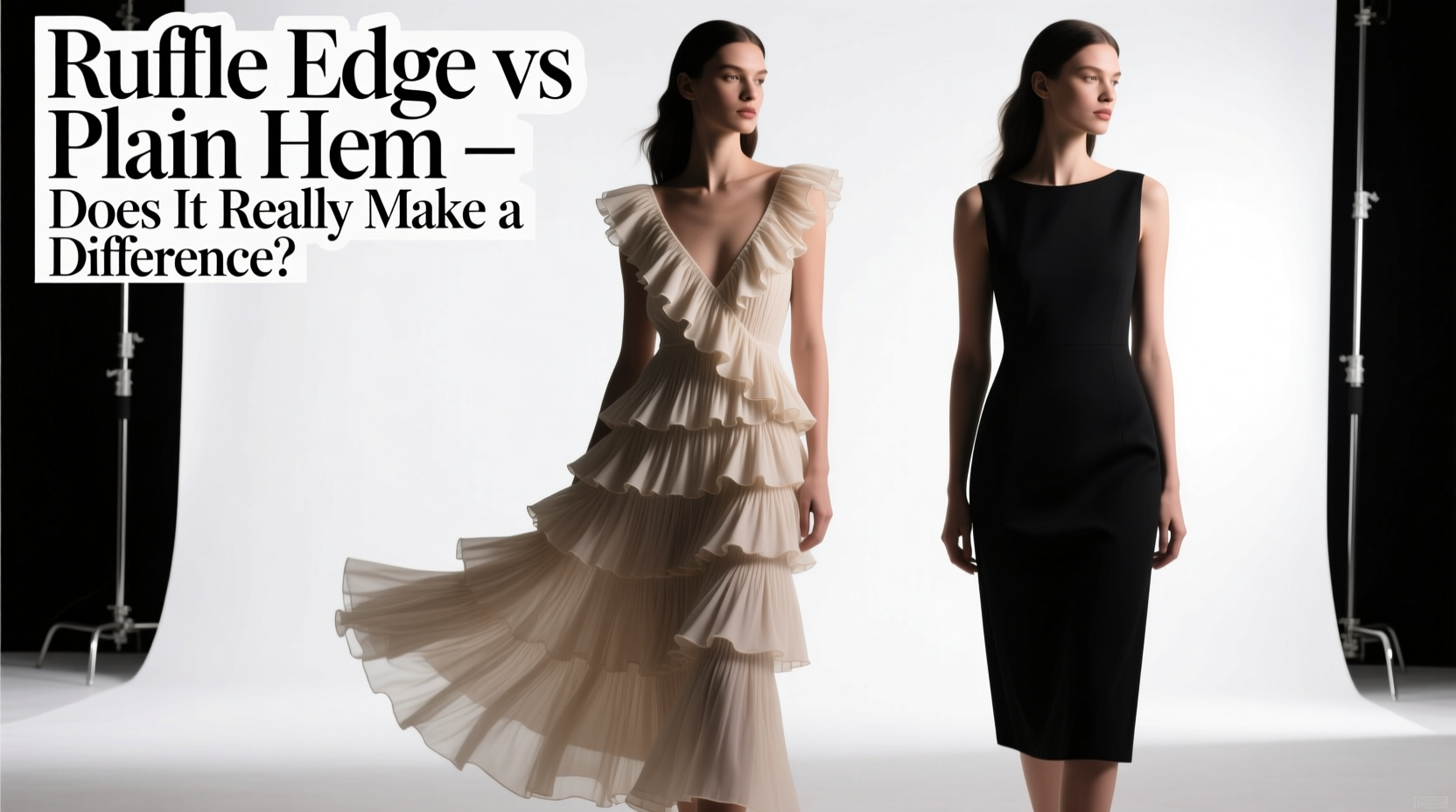
Ruffles are more than ornamental frills—they’re dynamic elements that add volume, texture, and motion to a garment. A ruffle edge draws the eye, creating visual interest at key points such as the hem, sleeves, or neckline. This added dimension can accentuate curves, balance proportions, or introduce playfulness into an otherwise simple design.
In contrast, a plain hem offers clean lines and minimal distraction. It emphasizes structure and tailoring, allowing the fabric, cut, and drape to speak for themselves. While this may sound less exciting, it often translates to greater versatility and timelessness.
Tip: Use ruffled hems to draw attention to your lower half if you want to balance a narrower upper body.Fit and Flattery: How Each Style Shapes Your Silhouette
Fashion is deeply personal, and what works on one body type may not suit another. Ruffles introduce volume, which can be flattering or overwhelming depending on placement and scale. For example, a tiered ruffle at the hip can enhance curves on a pear-shaped figure, while excessive ruffling on a petite frame might visually shorten the legs.
Plain hem dresses, by comparison, offer a streamlined effect. They skim the body without adding bulk, making them ideal for taller, slender builds or anyone seeking a polished, elongated look. These dresses often feature slight A-line cuts or gentle draping to maintain comfort without compromising elegance.
“Details like ruffles aren't frivolous—they're tools for shaping perception. A well-placed ruffle can create balance where none naturally exists.” — Lila Monroe, Fashion Stylist & Body Positivity Advocate
Occasion and Versatility Compared
The choice between ruffle and plain hem often comes down to context. Consider where and how you plan to wear the dress. Ruffle edge dresses tend to lean toward casual, romantic, or festive settings. Think garden parties, brunches, or summer weddings—events where softness and movement are assets.
Plain hem dresses, with their understated finish, transition seamlessly from day to night. Pair one with sneakers for errands, then swap in heels and jewelry for dinner. Their neutrality makes them ideal for professional environments or minimalist wardrobes focused on longevity over trendiness.
| Feature | Ruffle Edge Dress | Plain Hem Dress |
|---|---|---|
| Style Vibe | Feminine, playful, romantic | Clean, modern, timeless |
| Best For | Casual outings, dates, celebrations | Work, travel, formal events |
| Maintenance Level | Higher (delicate fabrics, washing care) | Lower (easy to wash, less prone to snagging) |
| Wardrobe Longevity | Trend-dependent (may feel dated faster) | High (classic appeal across seasons) |
| Layering Potential | Limited (bulk increases with layers) | Excellent (pairs well with jackets, cardigans) |
A Real-World Example: Choosing for Confidence
Sophia, a 34-year-old marketing consultant, recently faced a dilemma before her company’s annual retreat. She wanted to look approachable yet professional during team-building activities, but also felt pressure to stand out in social evening events. Her initial choice was a bold ruffle-hem midi dress in coral—a favorite from last season. When she tried it on, however, the exaggerated movement made her self-conscious during walking exercises and felt impractical for outdoor seating.
She switched to a plain-hem linen blend dress in sage green. Simple? Yes. But paired with sandals by day and statement earrings at night, it became her go-to for every event. “I didn’t miss the ruffles,” she said later. “I felt put together without trying too hard. That kind of ease changes how you carry yourself.”
When Ruffles Add Value—And When They Don’t
Ruffles aren’t inherently better or worse—they’re strategic. Smaller, subtle ruffles along the shoulder or asymmetrically placed at the skirt can elevate a basic dress without dominating it. In childrenswear or bridal fashion, ruffles symbolize delicacy and charm, making them culturally resonant.
But overuse leads to visual clutter. A dress with ruffles on the sleeves, waist, and hem competes with itself, drawing attention in multiple directions. Worse, poorly constructed ruffles can lose shape after washing, resulting in limp, uneven edges that detract from the overall look.
Plain hems avoid these pitfalls. They age gracefully because their appeal relies on cut and fabric quality, not embellishment. A well-tailored cotton poplin dress with a straight hem will likely remain wearable five years from now, whereas a heavily ruffled polyester piece may feel outdated in two.
Tip: If you love ruffles but want longevity, opt for removable ruffled overlays or reversible designs that offer both styles in one garment.Step-by-Step Guide: Choosing Between Ruffle and Plain Hem
- Assess your body shape: Determine whether added volume enhances or overwhelms your natural proportions.
- Define the occasion: Is the dress for work, leisure, or celebration? Match the level of detail to the setting.
- Consider maintenance: Ruffles often require hand-washing or delicate cycles. Can you commit to that care?
- Evaluate your existing wardrobe: Do you already own several statement pieces? A plain hem might provide needed balance.
- Try both styles back-to-back: Wear each in front of a full-length mirror and move around—sit, walk, raise your arms. Notice how each makes you feel.
FAQ
Do ruffle edge dresses make you look shorter?
They can, especially if the ruffle hits at mid-calf or creates horizontal bulk. To minimize this effect, choose ruffles at the thigh or ankle, or pair high-waisted ruffled skirts with vertical tops.
Are plain hem dresses boring?
Not at all. Their simplicity is their strength. A plain hem allows other elements—fabric texture, color, accessories—to shine. Many designers consider clean hems a hallmark of sophistication.
Can I wear a ruffle dress to the office?
Yes, but keep it refined. Opt for structured fabrics like cotton sateen or wool blends, and limit ruffles to one area—such as a modest sleeve detail—rather than cascading hems.
Final Thoughts: Does the Ruffle Really Make a Difference?
Yes—but not always in the way people assume. The difference isn’t merely aesthetic; it’s experiential. A ruffle changes how a dress moves with you, how it photographs, how much attention it draws, and how easily it fits into different parts of your life. It adds emotion to fashion: whimsy, flirtation, softness.
A plain hem, meanwhile, offers quiet confidence. It says you don’t need decoration to feel complete. It’s reliable, adaptable, and enduring.
The most thoughtful wardrobes include both. You don’t have to choose sides. Instead, ask: What do I want this dress to *do*? Am I dressing to express joy, to command respect, to feel light, or to feel grounded? Answer that, and the hemline will follow.
💬 Which do you reach for more—ruffle edge or plain hem? Share your preference and why in the comments. Let’s build a conversation about what truly matters in our closets.