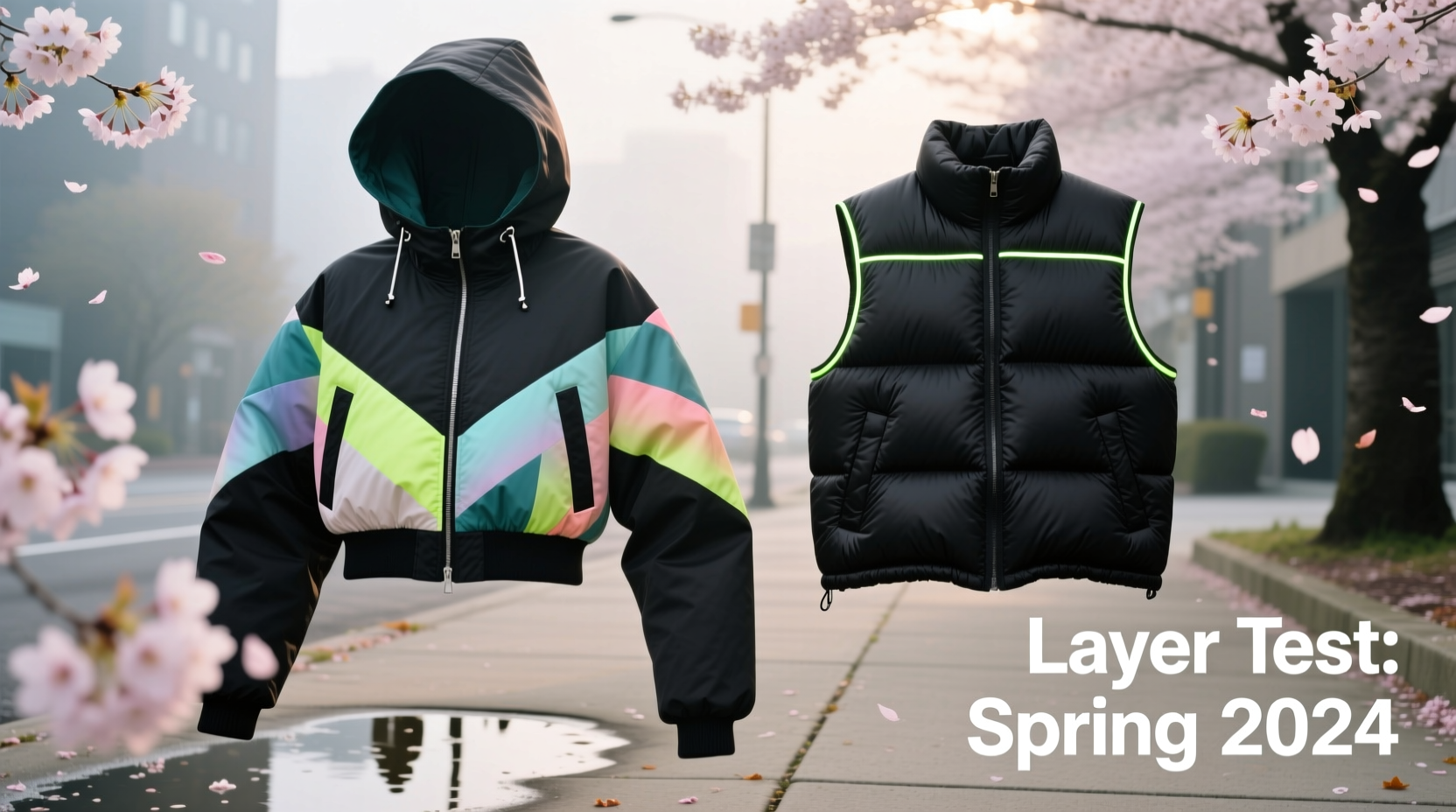
As winter loosens its grip and spring begins to assert itself, dressing appropriately becomes a balancing act. The mornings are crisp, the afternoons warm, and sudden showers keep you on your toes. This transitional period demands smart layering��light enough to shed as temperatures rise, yet substantial enough to block wind and retain body heat. Two popular outerwear options dominate this seasonal shift: the retro windbreaker and the modern puffer vest. Both have loyal followings, but when it comes to performance, comfort, and versatility in spring conditions, one may outperform the other.
This article breaks down the functional and stylistic differences between retro windbreakers and modern puffer vests, focusing specifically on how they layer in variable spring weather. From material science to real-world wearability, we’ll help you decide which piece earns a permanent spot in your spring rotation.
The Role of Layering in Spring Weather
Spring is notoriously unpredictable. One day might start at 45°F (7°C) and climb to 70°F (21°C) by mid-afternoon. Wind, humidity, and intermittent rain add further complexity. Effective layering during this season isn’t just about staying warm—it’s about adaptability.
A proper layering system typically includes three components:
- Base Layer: Moisture-wicking fabric like merino wool or synthetic blends.
- Middle Layer: Insulating piece such as a fleece or lightweight sweater.
- Outer Layer: Wind-resistant or water-repellent shell that protects without overheating.
In milder spring conditions, many people skip the traditional middle layer and rely on a single insulating outer garment over a long-sleeve shirt or light sweater. That’s where the retro windbreaker and modern puffer vest come into play—both designed to serve as the outermost layer while offering different benefits.
Tip: Always prioritize breathability in spring outerwear. Overheating leads to sweat buildup, which cools rapidly when activity stops—increasing discomfort.Retro Windbreaker: Heritage Design Meets Functional Simplicity
The retro windbreaker emerged in the 1970s and saw peak popularity in the '80s and '90s. Originally designed for athletes and casual wearers alike, it was built to repel wind and light rain with minimal bulk. Today’s versions often replicate vintage silhouettes—slim fits, high necks, elastic cuffs, and bold color-blocking—while incorporating updated materials.
Modern retro-style windbreakers are typically made from nylon or polyester with a DWR (durable water repellent) finish. They’re lightweight, packable, and highly breathable. Their primary function is wind resistance, not insulation. However, their loose cut allows room for layering underneath—a hoodie, flannel, or even a thin sweater.
Advantages of the retro windbreaker include:
- Excellent wind protection
- High breathability due to thin fabric
- Versatile styling—works with streetwear, athleisure, and minimalist looks
- Packs into a pocket or small pouch
- Often more affordable than technical outerwear
However, they offer little inherent warmth. If temperatures dip below 50°F (10°C), wearers will need a heavier mid-layer to stay comfortable. Additionally, some vintage-inspired models lack pit zips or ventilation, limiting airflow during physical activity.
Modern Puffer Vest: Targeted Core Warmth Without Bulk
The modern puffer vest has evolved from ski lodge accessory to urban essential. Designed to insulate the torso—the body’s thermal core—without restricting arm movement, it fills a unique niche in layering systems. Most feature quilted construction filled with down or synthetic insulation, delivering high warmth-to-weight ratios.
Unlike full jackets, vests leave the arms exposed, allowing greater freedom and reducing overheating during active use. This makes them ideal for walking, cycling, or commuting in cool but not freezing conditions. When paired with a long-sleeve base layer or light sweater, a puffer vest can maintain core temperature efficiently.
Key benefits of the modern puffer vest:
- Retains body heat where it matters most—the chest and back
- Allows arms to regulate temperature independently
- Less bulky than full puffer jackets
- Fits neatly under or over other layers
- Available in technical and fashion-forward designs
That said, puffer vests provide no wind protection on their own. Unless constructed with a wind-resistant shell fabric, they can feel drafty in breezy conditions. Many require careful maintenance—down-filled versions lose loft when wet, and both down and synthetic types compress poorly if packed incorrectly.
“In early spring, I recommend core-focused insulation. You lose more heat through your torso than your limbs, so a well-designed vest can be more effective than a light jacket.” — Dr. Lena Torres, Outdoor Apparel Researcher, University of Colorado Boulder
Direct Comparison: Windbreaker vs Puffer Vest in Spring Layering
To determine which garment layers better in spring, consider several factors: insulation, breathability, versatility, weather resistance, and ease of layering.
| Feature | Retro Windbreaker | Modern Puffer Vest |
|---|---|---|
| Primary Function | Wind and light rain protection | Core insulation |
| Inherent Warmth | Low (relies on layers) | Medium to High |
| Breathability | High (thin shell fabric) | Medium (depends on fill and shell) |
| Layering Flexibility | Excellent (worn over hoodies, sweaters) | Good (best under a shell or over a base layer) |
| Weather Resistance | High (wind/water-resistant) | Low to Medium (unless treated) |
| Packability | Very high (folds into pocket) | Medium (bulky when uncompressed) |
| Style Versatility | High (streetwear, sporty, retro) | Moderate (can look technical or boxy) |
The data shows a clear trade-off: windbreakers excel in protection and breathability, while puffer vests lead in warmth and core retention. For someone prioritizing mobility and fluctuating temperatures, the windbreaker offers more consistent comfort across activities. But for those spending time outdoors in cooler mornings or sitting still (e.g., outdoor dining, waiting for transit), the puffer vest delivers superior thermal efficiency.
Real-World Scenario: Commuting in Early Spring
Consider Maya, a cyclist who commutes 3 miles to work in Portland, Oregon, in March. Mornings average 48°F (9°C) with gusty winds off the Willamette River. By noon, temperatures reach 65°F (18°C).
Last year, she wore a modern puffer vest over a merino base layer. While her core stayed warm during the ride, her arms felt chilled due to wind exposure. Once indoors, she had to remove the vest immediately—it was too warm for the office. On rainy days, the vest absorbed moisture and took hours to dry.
This spring, she switched to a retro-style nylon windbreaker with a stand-up collar and adjustable hem. Underneath, she wears a lightweight fleece pullover. The combination blocks wind effectively, wicks moisture, and allows her to unzip or roll up sleeves as needed. She keeps the windbreaker on all day, transitioning seamlessly from bike to desk.
Maya’s experience illustrates a key insight: in active spring scenarios, protection often trumps passive insulation. The ability to regulate temperature dynamically makes the windbreaker more practical for mobile lifestyles.
How to Layer Each Piece Effectively
Neither garment works optimally in isolation. Success depends on how they integrate into your broader wardrobe.
Layering a Retro Windbreaker
- Base: Long-sleeve cotton, merino wool, or moisture-wicking synthetic.
- Middle (optional): Fleece jacket, hoodie, or shacket (shirt-jacket).
- Outer: Windbreaker zipped halfway or fully, depending on wind intensity.
Tuck the bottom of the mid-layer into pants to prevent cold air from rising under the shell. Choose a windbreaker with an adjustable drawcord at the hem for a snug fit.
Layering a Modern Puffer Vest
- Base: Thermal or long-sleeve top with good coverage.
- Mid-layer (optional): Light sweater or quarter-zip pullover.
- Outer (if needed): Uninsulated shell jacket over the vest for wind/rain protection.
Avoid wearing thick layers underneath—puffer vests compress easily, losing insulation value. Instead, opt for thinner, loft-retaining fabrics. In windy conditions, pair the vest with a lightweight wind shirt or softshell jacket.
Tip: Use a vest as a mid-layer under a windbreaker for maximum versatility. This combo provides both insulation and weather resistance without excessive bulk.Checklist: Choosing the Right Spring Layer
Ask yourself these questions before deciding:
- Do I spend most of my time moving (walking, biking, running)? → Favor windbreaker.
- Am I often stationary in cool environments (outdoor cafes, parks, patios)? → Lean toward puffer vest.
- Is wind a bigger issue than cold? → Windbreaker wins.
- Do I need packability for travel or hiking? → Windbreaker is easier to stow.
- Do I already own warm mid-layers? → A windbreaker complements existing pieces.
- Is core warmth my main concern? → Puffer vest adds targeted insulation.
Frequently Asked Questions
Can I wear a puffer vest under a windbreaker?
Yes—and it’s one of the most effective layering strategies for spring. The puffer vest insulates your core while the windbreaker shields against wind and light precipitation. Just ensure both garments fit comfortably without restricting movement.
Which is better for rainy spring days?
The retro windbreaker is superior in light rain due to its water-resistant shell and quick-drying fabric. Most puffer vests absorb moisture unless treated with advanced coatings, and once wet, they take longer to dry and lose insulating properties.
Are retro windbreakers durable enough for daily use?
Modern versions made from ripstop nylon or coated polyester are surprisingly durable. While early models were prone to tearing, today’s fabrics resist abrasion and UV degradation. With proper care, a quality windbreaker can last five years or more.
Final Verdict: Which Layers Better in Spring?
The retro windbreaker edges out the modern puffer vest as the more versatile and adaptable layer for spring. Its ability to block wind, resist moisture, breathe well, and pack small makes it ideal for the season’s volatility. It integrates smoothly with various mid-layers and transitions effortlessly from outdoor activity to indoor settings.
The puffer vest excels in specific niches—providing efficient core warmth with minimal weight—but falters in wind resistance and moisture management. It works best when combined with another outer layer or in stable, dry conditions.
For most people navigating the ups and downs of spring weather, the retro windbreaker offers broader utility. However, owning both pieces unlocks maximum flexibility. Wear the windbreaker on blustery days, the puffer vest on calm but chilly ones, and combine them when the forecast demands resilience.
💬 What’s your go-to spring layer? Share your favorite combinations of windbreakers, vests, and mid-layers in the comments—help others build smarter wardrobes for the season ahead!