Walk into any urban café or scroll through social media, and you’ll notice a shift in what people are carrying. The once-ubiquitous canvas tote—long the symbol of eco-conscious minimalism—is increasingly sharing space with translucent PVC jelly bags in bold colors and playful designs. This isn’t just a fashion blip; it’s a cultural pivot. But is this trend fleeting, or are consumers genuinely abandoning canvas for the plastic sheen of PVC? To understand the shift, we need to examine material performance, environmental impact, lifestyle alignment, and evolving consumer values.
The Rise of the Jelly Bag: Aesthetic Appeal Meets Functionality
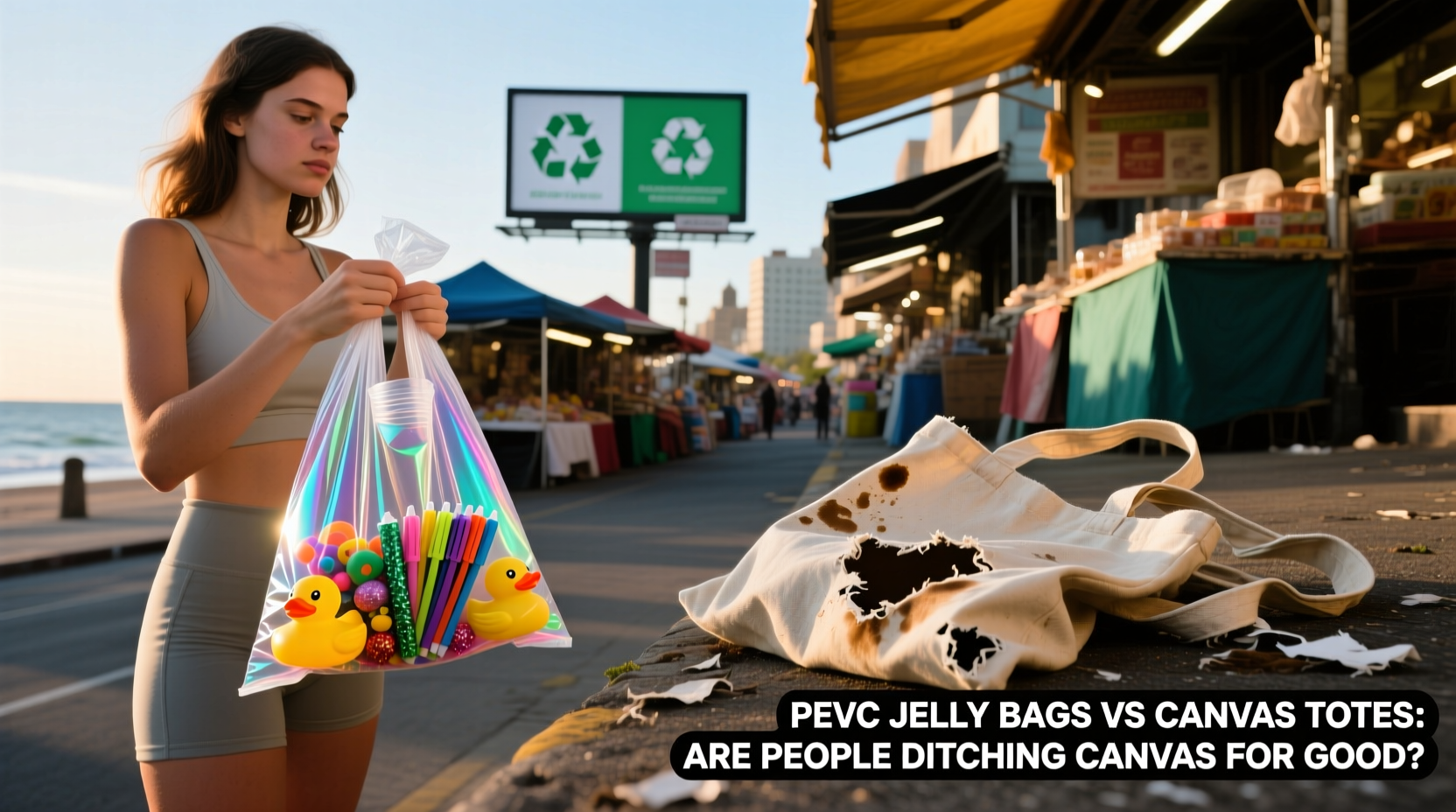
PVC jelly bags first gained traction in East Asian streetwear scenes before going viral on platforms like TikTok and Instagram. Their transparent bodies, vibrant hues, and lightweight construction make them ideal for showcasing contents—from designer wallets to colorful makeup pouches. Unlike canvas, which hides what’s inside, jelly bags celebrate visibility as a form of self-expression.
Manufacturers have capitalized on this by offering customizable inserts, seasonal color drops, and collaborations with influencers. The result? A product that feels both utilitarian and collectible. “The jelly bag taps into the ‘visible lifestyle’ trend,” says fashion analyst Lena Tran. “People don’t just want to carry things—they want their choices seen.”
From a functional standpoint, PVC is water-resistant, easy to wipe clean, and highly durable against abrasion. For city dwellers navigating unpredictable weather or festival-goers needing quick access to essentials, these traits are valuable.
Tip: Use a microfiber cloth dampened with soapy water to clean PVC surfaces weekly—this prevents buildup and maintains clarity.Canvas Totes: The Original Sustainable Staple Under Pressure
Canvas totes rose to fame as the anti-plastic bag—a reusable, washable alternative to single-use carriers. Brands from supermarkets to luxury labels adopted them as part of sustainability initiatives. Their strength lies in natural cotton fibers, biodegradability (under proper conditions), and timeless design.
Yet, recent scrutiny has revealed cracks in the canvas narrative. A 2021 Danish Environmental Agency study found that a cotton tote must be used at least 7,000 times to offset its environmental footprint compared to a single-use plastic bag. Most never reach even 50 uses. Overproduction, chemical dyes, and long transport routes further complicate their green image.
Additionally, many canvas totes suffer from wear-and-tear: frayed straps, stained interiors, and loss of shape after repeated use. Without structured support, they sag under heavier loads, limiting practicality beyond light shopping or casual outings.
“Sustainability isn’t just about material origin—it’s about real-world usage patterns and longevity.” — Dr. Marcus Lin, Textile Sustainability Researcher, University of Leeds
Material Showdown: PVC vs Canvas at a Glance
| Feature | PVC Jelly Bags | Canvas Totes |
|---|---|---|
| Durability | High (resistant to water, tearing) | Moderate (prone to fraying, staining) |
| Weight | Very light (~150g) | Medium (~300–500g) |
| Eco-Impact | Non-biodegradable, energy-intensive production | Biodegradable but high water/pesticide use |
| Cleaning Ease | Easy (wipeable surface) | Harder (often requires machine washing) |
| Fashion Flexibility | High (trend-driven, customizable) | Low (classic, limited variation) |
| Lifespan (avg.) | 2–4 years with care | 1–3 years depending on use |
Real Shift or Just a Trend Cycle?
To assess whether canvas is truly being replaced, consider real-world behavior. In Seoul and Tokyo, jelly bags dominate youth markets, often paired with coordinated outfits. In contrast, European cities still favor canvas for grocery runs and daily errands. However, even there, younger demographics are adopting hybrid models—canvas exteriors with PVC-lined interiors for spill protection.
A mini case study from Brooklyn-based boutique *Urban Carry Co.* illustrates this shift. Since 2022, their PVC bag sales have increased by 180%, while canvas tote revenue dropped 34%. Owner Jamal Reyes notes: “Customers aren’t rejecting canvas entirely—they’re choosing based on occasion. They want something fun and splashy for nights out, not just another beige tote.”
This suggests a diversification rather than outright replacement. Consumers now treat bags as context-specific accessories, not one-size-fits-all solutions.
Step-by-Step: How to Choose the Right Bag for Your Lifestyle
Selecting between PVC and canvas shouldn’t hinge solely on trends. Follow this decision framework:
- Assess your primary use: Is it for work, travel, shopping, or social events? Heavy laptops favor structured canvas; rainy commutes favor waterproof PVC.
- Evaluate maintenance tolerance: Are you willing to spot-clean stains or prefer wipe-and-go upkeep?
- Consider environmental priorities: Do you prioritize recyclability (canvas) or longevity (PVC)?
- Match to personal style: Minimalist? Go canvas. Bold and expressive? PVC offers more flair.
- Test carry comfort: Shoulder strain matters. Try both loaded with typical items before deciding.
Sustainability Revisited: Can Either Option Be Truly Green?
Neither material is perfect. PVC is derived from fossil fuels and releases toxic dioxins when incinerated. While recyclable in theory, most municipal systems lack the infrastructure to process it. Canvas, though plant-based, demands vast resources: up to 20,000 liters of water per kilogram of cotton.
Emerging alternatives may bridge the gap. Recycled PET fabric bags, hemp blends, and biodegradable polymers are gaining ground. Until then, extending the life of any bag remains the most sustainable choice. “Ownership duration is the biggest lever for reducing impact,” says Dr. Lin. “Use fewer bags, longer.”
Tip: Rotate two trusted bags seasonally instead of buying new ones every trend cycle.Checklist: Making a Conscious Bag Choice
- ✅ Define your main use case (commute, shopping, event)
- ✅ Check material origins and brand transparency
- ✅ Prioritize repairable designs (replaceable straps, linings)
- ✅ Avoid impulse buys driven by aesthetics alone
- ✅ Commit to using your chosen bag for at least 2 years
FAQ
Are PVC jelly bags safe to use daily?
Yes, modern food-grade PVC used in bags is phthalate-free and non-toxic under normal conditions. Avoid prolonged sun exposure, which can degrade the material over time.
Can canvas totes be sustainable if used long-term?
Absolutely. If used consistently for five years or more, a canvas tote’s environmental cost becomes justifiable. The key is consistent use and proper care to prevent early disposal.
Do jelly bags contribute to plastic pollution?
If not disposed of properly, yes. However, because they’re durable and often kept as fashion items, they’re less likely to become litter than single-use plastics. Recycling programs for flexible plastics remain limited but growing.
Conclusion: Not Replacement, But Evolution
The narrative that people are “ditching canvas for good” oversimplifies a nuanced shift. Consumers aren’t abandoning canvas—they’re expanding their options. The rise of PVC jelly bags reflects a demand for versatility, visual identity, and low-maintenance functionality. At the same time, canvas retains value for those prioritizing natural materials and classic utility.
Rather than choosing sides, the smarter approach is intentional ownership. Whether you lean toward translucent PVC or earth-toned canvas, what matters most is how long you keep it, how well you care for it, and how well it serves your life.
🚀 Ready to rethink your bag game? Audit your current collection, pick one bag to commit to for the next year, and share your journey online. Real change starts with mindful choices—not just trendy ones.