Zircon has long been prized in jewelry for its brilliance, fire, and natural origin—qualities that distinguish it from synthetic alternatives like cubic zirconia. As star bracelets gain popularity for their celestial charm and symbolic meaning, many consumers are investing in pieces adorned with what is claimed to be genuine zircon. However, the market is saturated with imitations, making authentication essential. Understanding how to verify the authenticity of zircon stones in your bracelet ensures you’re receiving the value, beauty, and geological rarity you paid for.
Understanding Zircon vs. Cubic Zirconia
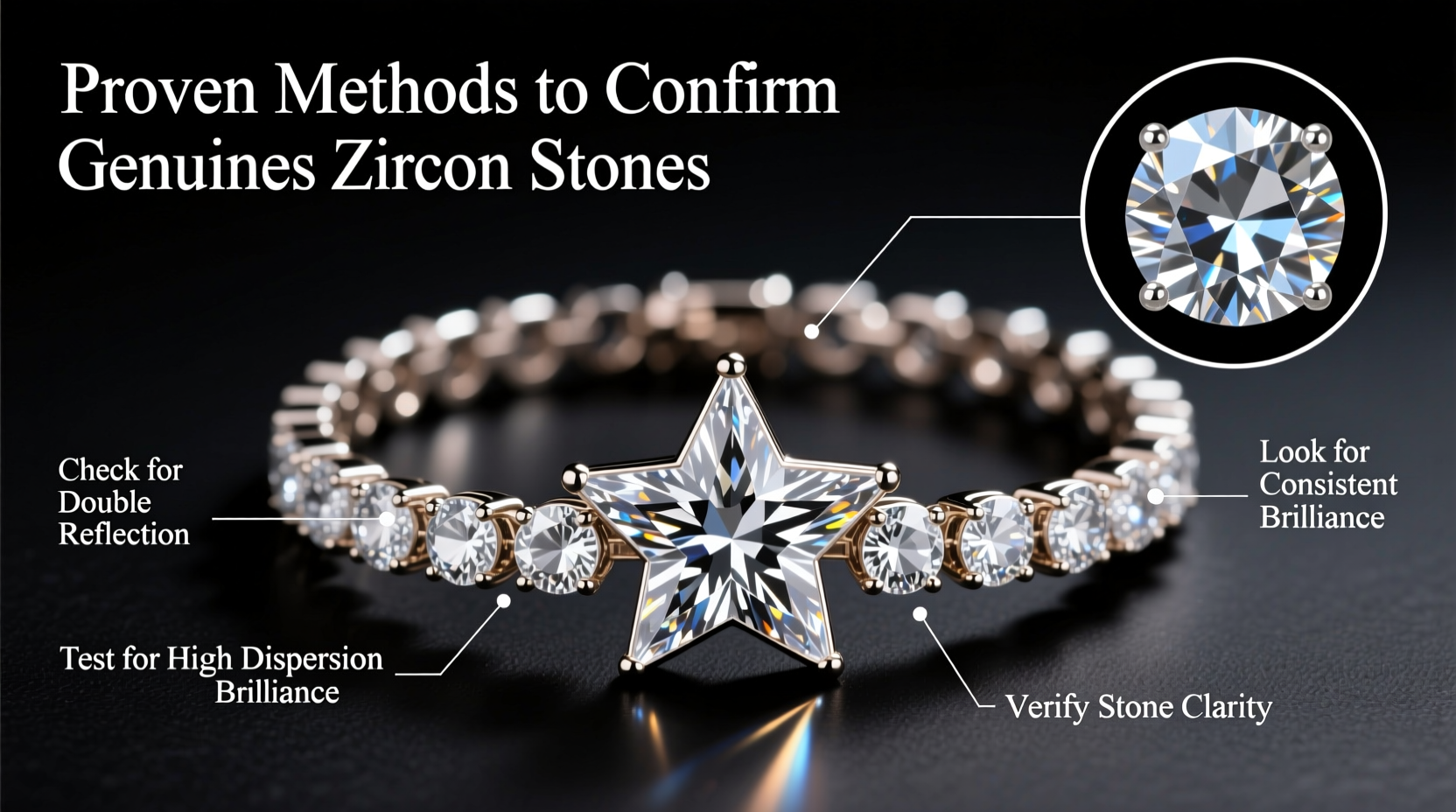
A common misconception confuses natural zircon with cubic zirconia (CZ). Despite similar names, they are fundamentally different. Zircon is a naturally occurring mineral composed of zirconium silicate (ZrSiO₄), found in various colors due to trace elements and radiation exposure over time. It has a hardness of 6.5–7.5 on the Mohs scale and exhibits high dispersion—giving it a fiery sparkle comparable to diamonds.
In contrast, cubic zirconia is a lab-created material made from zirconium dioxide, stabilized with yttrium or calcium. It’s harder than natural zircon (8–8.5 on the Mohs scale) but lacks the same geological history and optical complexity. CZ tends to have a glassy, overly uniform appearance under magnification, while natural zircon often contains tiny inclusions, growth patterns, and slight color zoning.
“Natural zircon carries a story millions of years in the making—its imperfections are proof of authenticity.” — Dr. Lena Patel, Gemologist at the International Gem Society
Step-by-Step Guide: How to Test Your Star Bracelet’s Stones
Authenticating zircon doesn’t require a gemological laboratory. With careful observation and simple tools, you can conduct preliminary assessments at home. Follow this sequence to evaluate your bracelet’s stones:
- Examine Under Natural Light: Observe the stone in daylight. Genuine zircon displays strong fire—flashes of rainbow-colored light—due to its high dispersion. If the sparkle appears flat or dull, it may be CZ or glass.
- Check for Birefringence: Look through the top of the stone at a straight line (like text on paper). If the edges appear doubled, this indicates birefringence—a hallmark of zircon. Cubic zirconia does not show doubling.
- Assess Weight and Feel: Hold the bracelet in your hand. Zircon is denser than most simulants. If the piece feels unusually light for its size, suspect CZ or plastic.
- Inspect for Inclusions: Use a 10x jeweler’s loupe or magnifying glass. Natural zircon often shows needle-like inclusions, tiny fractures, or color zoning. Perfectly clear stones with no internal features are likely synthetic.
- Conduct a Thermal Conductivity Test: While less definitive, using a handheld diamond tester can help. Zircon conducts heat similarly to diamond, whereas CZ does not. However, some testers may misread zircon as diamond—so interpret results cautiously.
Comparison Table: Zircon vs. Common Imitations
| Feature | Natural Zircon | Cubic Zirconia (CZ) | Glass Imitation |
|---|---|---|---|
| Origin | Natural mineral | Synthetic | Synthetic |
| Mohs Hardness | 6.5–7.5 | 8–8.5 | 5–6 |
| Birefringence | High (visible doubling) | None | None |
| Dispersion (Fire) | 0.038 (very high) | 0.058–0.066 (higher, but less natural) | Low |
| Density | High (~4.6 g/cm³) | ~5.6–6.0 g/cm³ | ~2.5–3.5 g/cm³ |
| Inclusions | Common (needles, fractures) | Rare (gas bubbles possible) | Bubbles, swirl marks |
Real Example: A Buyer’s Experience
Sophie, a jewelry enthusiast from Portland, purchased a celestial-themed star bracelet online advertised as “natural zircon accents.” Excited by the description, she noticed upon arrival that the stones sparkled intensely but lacked depth. Using a $20 loupe from a local craft store, she examined the stones and found them completely flawless—no inclusions, no color variation. When she held one over printed text, there was no doubling effect. Skeptical, she visited a local gemologist who confirmed the stones were cubic zirconia. The seller had used ambiguous language, relying on consumer confusion between zircon and cubic zirconia. Sophie returned the item and later found a verified artisan brand offering actual blue zircon set in sterling silver, complete with a certificate of authenticity.
Essential Checklist for Authenticity Verification
- ✅ Verify the seller provides a detailed materials description (e.g., “natural blue zircon,” not just “zircon”)
- ✅ Use a loupe to inspect for natural inclusions or growth lines
- ✅ Check for doubling of facet edges (birefringence)
- ✅ Compare weight to similar-sized known zircon pieces
- ✅ Request third-party certification if purchasing high-value items
- ✅ Avoid sellers who use terms like “diamond-like” or “premium CZ” interchangeably with zircon
- ✅ Consult a certified gemologist for appraisal above $200
Frequently Asked Questions
Can zircon stones lose their color over time?
Yes. Certain zircons, especially heated blue varieties, can fade when exposed to prolonged sunlight or high heat. Store your star bracelet in a dark, cool place when not in use to preserve its hue.
Is natural zircon rare?
While zircon is relatively common geologically, gem-quality material—especially in vivid blue, red, or green—is rare. High-clarity, well-cut zircons suitable for fine jewelry are uncommon and valuable.
Does a jeweler’s stamp guarantee genuine zircon?
No. Hallmarks like “925” indicate sterling silver but say nothing about the stones. Mislabeling is common. Authentication must focus on the stones themselves, not metal stamps.
Final Recommendations and Professional Insights
Purchasing jewelry with natural gemstones requires vigilance. Reputable vendors will disclose whether stones are natural, treated, or synthetic. Look for brands that provide sourcing details, gemological reports, or membership in ethical trade organizations. When in doubt, delay the purchase and seek an independent appraisal.
“The rise of misleading terminology around zircon demands consumer education. Transparency should be non-negotiable.” — Rafael Mendez, Director, American Gem Trade Association
Additionally, consider that untreated natural zircon is often less brilliant than CZ because it hasn’t been optimized in a lab. Its appeal lies in its authenticity, geological age, and subtle optical character—not necessarily maximum sparkle. Embrace its uniqueness rather than expecting perfection.
Take Action: Protect Your Investment
Your star bracelet should carry both aesthetic and emotional value. Ensuring its zircon stones are genuine enhances both. Start by re-examining your current jewelry using the methods outlined. For future purchases, prioritize transparency, request documentation, and support jewelers committed to honest labeling. Share your findings with others—raising awareness helps reduce misinformation in the marketplace.
💬 Have you tested your zircon jewelry? What did you discover? Share your experience in the comments to help fellow collectors make informed choices.








