When choosing a necklace, especially one meant to be worn daily or passed down through generations, material matters. Platinum and silver are two of the most popular precious metals in jewelry, each offering distinct advantages and drawbacks. While silver dazzles with its bright luster and affordability, platinum commands attention with its rarity, weight, and resilience. But does platinum really resist tarnishing? And more importantly, is the higher price tag justified for everyday wear?
This guide breaks down the key differences between platinum and silver necklaces, focusing on durability, appearance over time, care requirements, and long-term value—so you can decide which metal aligns best with your lifestyle and budget.
Understanding the Basics: What Makes Platinum and Silver Different?
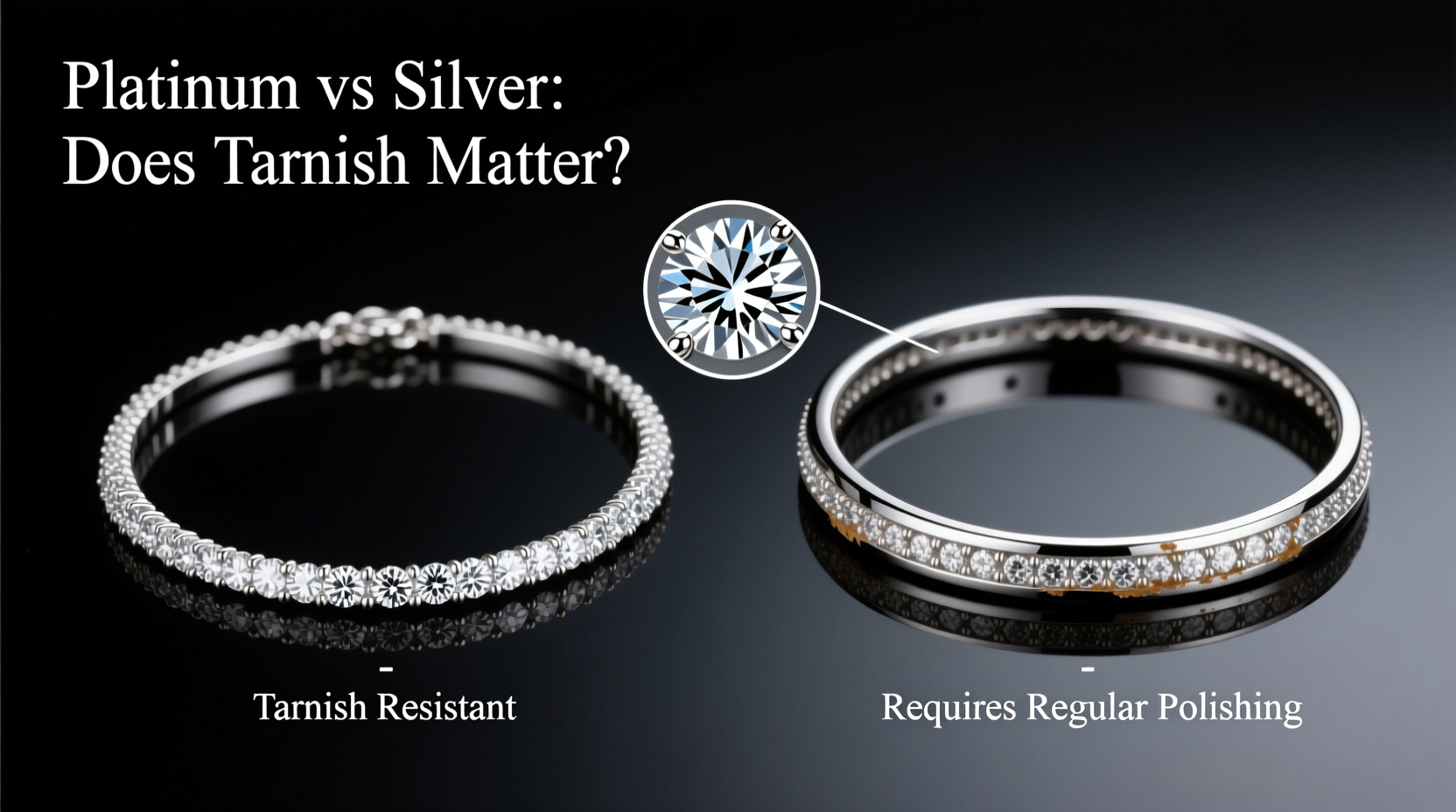
At first glance, platinum and silver may look similar—both are cool-toned, lustrous metals often used in fine jewelry. However, their composition, density, and chemical behavior are vastly different.
Silver, particularly sterling silver (92.5% pure silver mixed with 7.5% alloy, usually copper), is softer and more reactive. It’s prone to oxidation when exposed to air, moisture, and sulfur compounds found in everyday environments like pollution, cosmetics, and even rubber bands. This reaction causes tarnishing—a dull, yellowish or black film that forms on the surface.
Platinum, on the other hand, is a noble metal, meaning it resists corrosion and oxidation far better than most elements. Pure platinum jewelry is typically 90–95% platinum, alloyed with metals like ruthenium or iridium for strength. It doesn’t tarnish under normal conditions and maintains its color and integrity over decades.
Tip: If you live in a humid climate or frequently use perfumes and lotions, a platinum necklace will require less maintenance than silver.Durability and Longevity: Which Metal Lasts Longer?
When evaluating longevity, consider both physical wear and chemical stability.
Silver scratches more easily due to its lower hardness on the Mohs scale (around 2.5–3). Over time, frequent wear can cause thin chains to break or settings to loosen. While silver can be polished and restored, repeated polishing removes microscopic layers of metal, eventually weakening the piece.
Platinum is significantly denser and heavier—about 60% heavier than white gold and nearly twice as dense as silver. This density makes it highly resistant to wear. Although platinum can develop a natural patina (a soft sheen from micro-scratches), it doesn’t lose material like silver. In fact, displaced platinum merely moves around rather than eroding, preserving the structural integrity of the jewelry.
“Platinum’s durability isn’t just about resisting scratches—it’s about retaining mass. A platinum necklace today will weigh almost exactly the same in 50 years.” — Daniel Reeves, Master Jeweler and Gemologist
Comparison Table: Platinum vs Silver Necklaces
| Feature | Platinum Necklace | Silver Necklace |
|---|---|---|
| Tarnish Resistance | High – does not tarnish | Low – tarnishes over time |
| Durability | Excellent – highly scratch-resistant and retains mass | Fair – softer, prone to dents and breaks |
| Weight | Heavy – substantial feel | Light – delicate presence |
| Maintenance | Low – occasional cleaning | High – regular polishing, anti-tarnish storage |
| Cost (Relative) | High – 4–5x more than silver | Low – affordable entry point |
| Hypoallergenic | Yes – ideal for sensitive skin | Sometimes – copper alloy may cause reactions |
Real-Life Example: Choosing for Daily Wear
Sarah, a nurse in her early 30s, wanted a simple pendant necklace she could wear every day at work. She initially bought a sterling silver chain, drawn by its shine and $45 price tag. Within six months, the chain had darkened noticeably, especially where it touched her skin and scrub uniforms. Despite regular wiping, tarnish returned quickly. After a year, the clasp weakened and broke during a shift.
She replaced it with a platinum curb chain, paying $850—a significant jump. Three years later, the platinum shows only a soft patina, no discoloration, and remains secure. Though the upfront cost was high, Sarah now views it as a one-time investment. “I don’t worry about it,” she says. “It survives hand sanitizer, sweat, and long shifts without looking worse for wear.”
Is Platinum Worth the Extra Cost?
The answer depends on how you define value.
If your priority is low maintenance, enduring quality, and sentimental significance—such as an heirloom piece or engagement gift—platinum offers unmatched peace of mind. Its resistance to tarnish, hypoallergenic nature, and ability to retain detail over time justify the premium for many buyers.
However, if you enjoy rotating fashion accessories, prefer lightweight designs, or are on a tight budget, silver remains a smart choice. Modern anti-tarnish treatments and proper storage (like airtight pouches with silica gel) can extend its life significantly. Plus, silver allows you to experiment with bold styles without financial regret.
Consider this: while a platinum necklace may cost 4–5 times more than a comparable silver piece, it can last multiple lifetimes with minimal care. Over 20+ years, the cost per wear diminishes dramatically, especially if passed down to family members.
Maintenance Checklist: Caring for Your Necklace
- For Platinum: Clean monthly with mild soap, warm water, and a soft brush. Rinse thoroughly and dry with a lint-free cloth.
- For Silver: Wipe after each wear to remove oils. Store in an anti-tarnish bag with a tarnish inhibitor strip.
- Avoid wearing either metal during swimming, cleaning, or exercise to prevent chemical exposure and impact damage.
- Have clasps and settings inspected annually by a jeweler, especially for delicate chains.
- Never use abrasive cleaners on silver—opt for a dedicated silver polishing cloth instead.
Frequently Asked Questions
Will platinum ever tarnish?
No, platinum does not tarnish. Unlike silver, it does not react with oxygen or sulfur in the air. It may develop a natural patina over time, but this is a change in finish (from shiny to satiny), not discoloration or corrosion.
Can I wear a silver necklace every day?
You can, but expect increased tarnishing and wear. Daily exposure to sweat, lotions, and pollutants accelerates oxidation. For everyday wear, consider rhodium-plated silver or upgrading to platinum or white gold.
Does platinum lose its shine?
Platinum doesn’t lose its shine chemically, but it can accumulate fine scratches that create a matte finish known as a patina. Some people love this vintage look; others prefer to have it professionally polished every few years to restore the original luster.
Final Thoughts: Making the Right Choice for You
Choosing between a platinum and silver necklace isn’t just about aesthetics or budget—it’s about aligning the jewelry with your lifestyle. Platinum wins hands-down in durability, resistance to tarnish, and long-term value. It’s ideal for those who want a “set it and forget it” accessory that ages gracefully.
Silver, while requiring more attention, offers beauty and versatility at a fraction of the cost. With mindful care, it can remain beautiful for years and serve as a perfect option for trendy or seasonal pieces.
💬 What’s your experience with platinum or silver necklaces? Share your story or tips in the comments—your insight could help someone make a confident, informed decision.








