In recent years, permanent jewelry has surged in popularity, especially among those seeking minimalist, low-maintenance accessories that blend seamlessly into daily life. Unlike traditional bracelets, permanent pieces are welded directly onto the wearer’s wrist—no clasps, no adjustments, no risk of loss. But what exactly sets them apart from regular bracelets? And is the clasp truly the Achilles’ heel of conventional designs?
The debate isn’t just about aesthetics or convenience; it touches on practicality, emotional value, skin sensitivity, and even long-term cost. While many assume the clasp is the main issue with standard bracelets, the reality is more nuanced. To understand the real differences—and whether going permanent is worth it—it helps to examine both options through multiple lenses: design, durability, safety, lifestyle compatibility, and personal meaning.
Understanding the Core Difference: Clasps vs. Welds
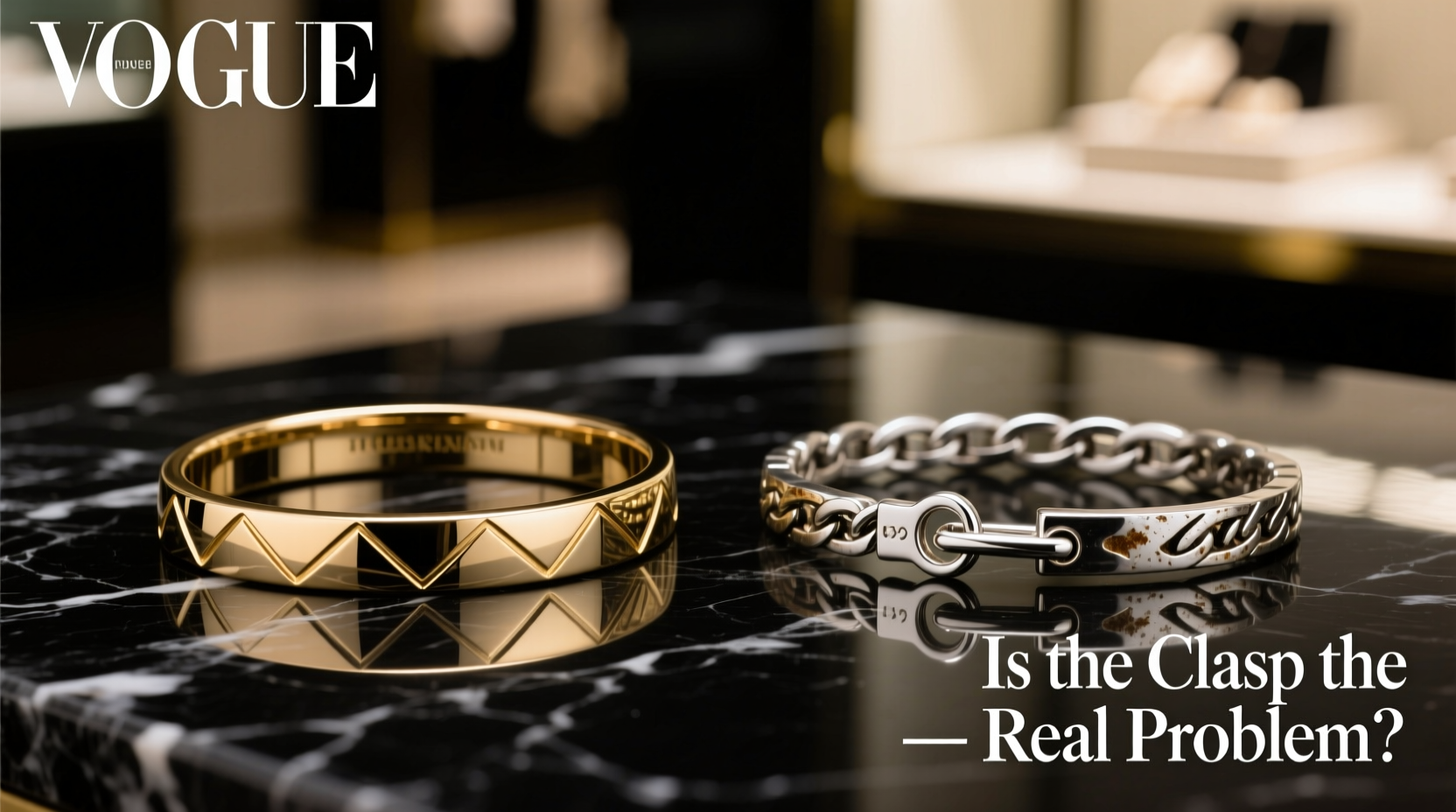
The most obvious distinction between permanent jewelry and regular bracelets lies in how they’re fastened. Traditional bracelets rely on a mechanical closure—a lobster claw, box clasp, toggle, or magnetic snap—each requiring manual operation to secure and remove. Permanent jewelry, by contrast, is fused at the ends using a micro-welding tool, creating a continuous loop that stays on 24/7 unless intentionally cut off.
This single difference cascades into broader implications:
- Security: No clasp means nothing to fail or loosen over time.
- Comfort: Without hardware pressing against the skin, wearers often report greater comfort.
- Convenience: Once applied, there’s no need to remember to put it back on after washing hands or showering.
- Irreversibility: Removal requires cutting, which may feel daunting for some.
But while the absence of a clasp solves certain problems, it introduces others. For instance, swelling due to heat or medical conditions can make a permanently worn bracelet uncomfortable—or even dangerous—if not sized properly. Meanwhile, regular bracelets offer adjustability and easy removal when needed.
,padding:10px;border-left:4px solid #666;\"> Tip: If you're considering permanent jewelry, ensure your provider uses biocompatible gold (14k or higher) to minimize allergic reactions and metal degradation.Is the Clasp Really the Problem?
To answer this question honestly: sometimes yes, sometimes no. The clasp isn't inherently flawed—but it is a weak point in an otherwise solid design. Over time, repeated opening and closing causes wear. Springs weaken, catches misalign, and tiny mechanisms accumulate dirt or moisture, increasing the chance of failure.
A study conducted by the Jewelry Retailers Association found that nearly 38% of lost bracelets were attributed to clasp malfunction rather than accidental dislodging. This statistic underscores a real vulnerability—one that permanent jewelry eliminates entirely.
“Clasps are the most common point of failure in fine bracelets. Even high-end mechanisms degrade with daily use.” —, Master Goldsmith and Jewelry Conservator
However, blaming the clasp alone oversimplifies the issue. Poor craftsmanship, incorrect sizing, and improper care play equally significant roles. A well-made bracelet with a secure box clasp and safety chain can last decades without incident. Conversely, a poorly welded permanent piece might break at the joint under stress.
The key takeaway? The clasp is a legitimate concern, but it’s not the only factor determining reliability.
Comparative Breakdown: Permanent vs. Regular Bracelets
| Feature | Permanent Jewelry | Regular Bracelets |
|---|---|---|
| Closure Type | Micro-welded link (no clasp) | Lobster, box, toggle, magnetic clasp |
| Daily Maintenance | Minimal (clean as part of regular hygiene) | Requires removal/storage; occasional clasp inspection |
| Risk of Loss | Negligible (unless cut) | Moderate to high (clasp failure, forgetfulness) |
| Skin Sensitivity | Lower (no nickel-based springs or hinges) | Higher (some clasps contain base metals) |
| Lifestyle Flexibility | Low (cannot be removed easily) | High (can rotate styles, remove during activities) |
| Long-Term Cost | One-time fee (~$50–$150), replacement if broken | Variable; potential for frequent replacements due to loss |
| Emotional Significance | Often symbolic (e.g., friendship, love, commitment) | Can be meaningful, but easier to misplace sentiment |
This comparison shows that while permanent jewelry excels in security and simplicity, it sacrifices flexibility. Regular bracelets win in versatility but require more attention to prevent mishaps.
Real-Life Scenario: The Gym Incident
Consider Sarah, a fitness instructor who wore a delicate 14k gold cable bracelet gifted by her grandmother. She loved the piece but had to remove it before each workout to avoid snagging. One evening, distracted after class, she forgot to reattach it. The bracelet was never seen again.
Frustrated and heartbroken, Sarah researched alternatives and eventually opted for a permanent version of a similar design. She chose a slightly thicker chain with a seamless weld. Now, three years later, she still wears it daily—even during spin classes and swimming sessions.
For Sarah, the clasp wasn’t just inconvenient; it represented a recurring risk that ultimately led to irreversible loss. In her case, eliminating the clasp didn’t just improve functionality—it preserved emotional value.
Her story reflects a growing trend: people choosing permanence not because clasps are universally defective, but because their lifestyles demand zero-failure accessories.
When Permanent Might Not Be the Answer
Despite its advantages, permanent jewelry isn’t ideal for everyone. Certain situations call for the flexibility of removable bracelets:
- Medical procedures: MRI scans, surgery, or dialysis may require all metal to be removed.
- Pregnancy or chronic swelling: Wrist size changes can render a fixed-size bracelet uncomfortable or unsafe.
- Allergies or skin irritation: Continuous wear increases exposure to metals, even hypoallergenic ones.
- Workplace hazards: Jobs involving machinery, chemicals, or extreme temperatures may prohibit permanent accessories.
Additionally, some individuals simply enjoy rotating their jewelry based on mood, outfit, or occasion. Permanent pieces limit that freedom.
Tip: Always ask for a \"breakaway point\" option—some jewelers add a thinner link that can be safely snipped later without damaging the rest of the chain.Step-by-Step: Choosing What's Right for You
Deciding between permanent and regular bracelets shouldn’t be impulsive. Follow this process to make an informed choice:
- Assess Your Daily Routine: Do you frequently wash hands, exercise, swim, or work with your hands? High-movement environments favor permanent options.
- Evaluate Sentimental Value: Is the piece meant to symbolize something lasting? If so, permanence adds emotional weight.
- Check Skin Compatibility: Try wearing gold-filled or solid gold temporarily to test for reactions before committing.
- Consult a Professional: Visit a reputable jeweler who offers both services. Ask about materials, welding techniques, and removal protocols.
- Test Comfort: Request a trial fitting. Ensure the bracelet glides over your hand smoothly and sits comfortably on the wrist.
- Plan for Removal: Understand how you’ll remove it if necessary—whether through a jeweler or emergency cut.
Taking these steps ensures your decision aligns with both practical needs and personal values.
Expert Insight: Longevity and Craftsmanship
The conversation around permanent jewelry often centers on novelty, but seasoned jewelers emphasize timeless principles of quality.
“The longevity of any piece depends less on its closure and more on material purity, construction integrity, and wearer awareness.” —, Founder of Atelier Cordonnerie Fine Jewelry
According to Laurent, even a perfectly welded chain can fail if made from subpar gold alloy or overly thin wire. He recommends a minimum of 1.2mm thickness for chains intended for permanent wear and insists on karatage transparency—no “plumb gold” loopholes.
He also warns against pop-up kiosks at malls or festivals that prioritize speed over precision. A rushed weld can create a brittle joint prone to cracking under tension.
Frequently Asked Questions
Can I remove a permanent bracelet myself?
Yes, but carefully. Use small wire cutters or nail clippers to snip the weld point. Avoid pulling or bending, which could damage the chain. Save the ends—you may be able to have it re-welded later.
Do permanent bracelets tarnish or break over time?
Solid gold or platinum versions resist tarnishing. However, constant friction (e.g., against desks or steering wheels) can cause microscopic wear. Most last 1–3 years with daily wear, depending on chain thickness and activity level.
Are there health risks to wearing a bracelet permanently?
Generally no, provided the metal is hypoallergenic and properly fitted. However, if swelling occurs due to medication, injury, or illness, the bracelet could restrict circulation. Always leave room to slide a finger underneath.
Final Thoughts: Beyond the Clasp
The narrative that “the clasp is the problem” sells short a deeper conversation about how we interact with our jewelry. Yes, clasps fail. Yes, people lose beloved pieces. But the solution isn’t always elimination—it’s intentionality.
Permanent jewelry offers peace of mind for those who want a forever accessory. It removes human error from the equation and transforms adornment into ritual. Yet regular bracelets retain unmatched versatility, allowing self-expression to evolve with the seasons.
Rather than framing one as superior, consider this: the best choice depends on your life, not trends. If security and symbolism matter most, go permanent. If adaptability and variety define your style, embrace the clasp—and maintain it well.
💬 Have you tried permanent jewelry? Did the lack of a clasp change how you wear and value your accessories? Share your experience in the comments below—we’d love to hear your story.








