
Navigating daily life—running errands, commuting, grocery shopping, or managing kids—requires a reliable bag that balances function and style. Two of the most popular choices are the oversized tote and the crossbody bag. While both serve essential roles in modern wardrobes, they differ significantly in design, utility, and user experience. Choosing between them isn’t just about aesthetics; it’s about matching your lifestyle needs with the right form of carry.
This guide breaks down the strengths and limitations of each option, using real-world scenarios, expert insights, and practical comparisons to help you decide which bag truly works best for your daily routine.
Capacity and Practicality: What Can You Really Fit?
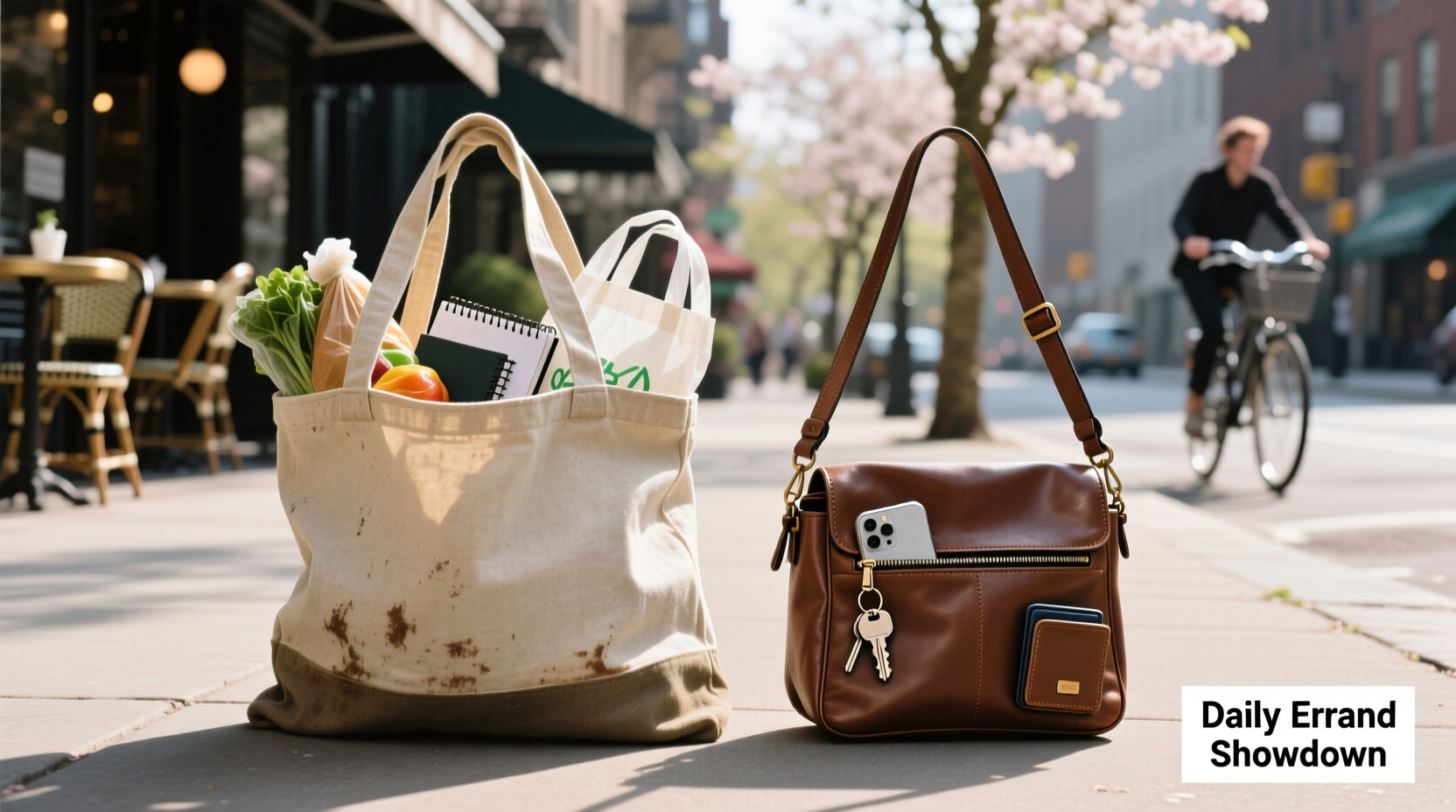
The oversized tote excels where volume matters. With wide openings and deep interiors, these bags are designed to hold more than just a phone and wallet. Think laptops, gym clothes, reusable shopping bags, water bottles, books, snacks, and even small umbrellas. Their open structure makes packing and accessing items effortless—no fumbling through zippers or narrow compartments.
In contrast, crossbody bags prioritize compactness. Most models feature limited interior space, often divided into two or three small sections. While some larger crossbodies offer laptop sleeves or expandable sides, they generally can't compete with the sheer load-bearing capability of an oversized tote.
Tip: If you regularly carry multiple items—like work essentials, personal care products, and groceries—an oversized tote offers unmatched convenience.However, capacity isn’t always an advantage. The more a tote holds, the heavier it becomes. Carrying 10–15 pounds on one shoulder can lead to strain over time. Crossbody bags distribute weight across the torso, reducing pressure on any single point and making them ideal for lighter loads carried over longer distances.
Comfort and Wearability Across the Day
How a bag feels after hours of use is critical. An oversized tote rests on one shoulder, concentrating all its weight on a single strap. Even with padded handles, prolonged use can cause discomfort, especially if contents shift or the bag lacks internal organization.
Crossbody bags, by design, sit diagonally across the chest, balancing weight between shoulders and hips. This distribution minimizes fatigue during walking commutes, crowded transit rides, or extended periods on your feet. They also stay securely in place when moving quickly or navigating tight spaces.
“Ergonomics matter more than we think. A poorly balanced bag can contribute to posture issues and chronic shoulder pain.” — Dr. Lena Torres, Physical Therapist & Posture Specialist
That said, not all crossbody bags are created equal. Thin straps or stiff materials can dig into the shoulder or neck. Adjustable, wide, and cushioned straps make a significant difference in long-term comfort. Totes benefit from dual handles and optional detachable shoulder straps, but few offer true ergonomic support comparable to well-designed crossbodies.
Security and Theft Prevention in Public Spaces
When running errands in busy environments—markets, public transport, city streets—security becomes a priority. Oversized totes typically have large, open tops or simple flap closures, leaving contents exposed. Wallets, phones, or keys placed inside can be easily accessed by pickpockets or jostled out accidentally.
Crossbody bags, particularly those with zippered compartments and front-facing designs, offer greater protection. Many users position the bag in front of their body when in crowds, keeping valuables within sight and reach. Some models include RFID-blocking pockets, slash-resistant materials, and locking zippers—features rarely found in standard totes.
| Feature | Oversized Tote | Crossbody Bag |
|---|---|---|
| Access to Contents | Easy, open access | Controlled via zippers/pockets |
| Risk of Pickpocketing | High (open design) | Low (secure closure, front carry) |
| Visibility of Valuables | Poor (contents hidden but unsecured) | Good (can monitor front pocket) |
| Anti-Theft Features | Rare | Common in urban-focused models |
If you frequently visit high-traffic areas or travel locally, the crossbody’s inherent security advantages may outweigh its smaller size.
Real-Life Use Case: A Day in the Life of Two Commuters
Case Study 1: Maria – Urban Professional & Errand Runner
Maria works remotely but spends her afternoons handling errands across downtown. Her routine includes picking up dry cleaning, visiting the post office, grocery shopping, and meeting a friend for coffee. She uses an oversized canvas tote with multiple interior pockets.
The tote allows her to carry her 13-inch laptop, planner, insulated water bottle, reusable produce bags, and fresh groceries without switching bags. However, she notices shoulder soreness by evening and worries about leaving her tote unattended at cafes. On crowded trains, she keeps it on her lap to prevent theft.
Case Study 2: Jordan – City Cyclist & Minimalist
Jordan bikes to work and runs midday errands on foot. He carries only essentials: phone, wallet, keys, sunglasses, and a lightweight jacket. His nylon crossbody bag has a magnetic front pocket and adjustable strap.
He appreciates how the bag stays stable while cycling and doesn’t bounce when walking. It fits perfectly under his arm at traffic lights, and he never feels burdened. When entering stores, he simply rotates the bag to the front to check messages or pay. The only limitation? He can’t carry bulk items like bottled drinks or large notebooks.
These examples highlight a key truth: the best bag depends on what you carry and how you move through your day.
Style, Versatility, and Transitioning Between Roles
Both styles have evolved beyond basic utility. Designers now craft oversized totes in luxe leathers, structured silhouettes, and seasonal colors, making them suitable for office settings or weekend brunches. A well-chosen tote can transition from professional meetings to grocery runs seamlessly.
Crossbody bags, meanwhile, come in everything from sporty neoprene to elegant metallic finishes. Their compact shape complements casual outfits, dresses, and even business attire when sized appropriately. Because they’re worn rather than carried, they add a dynamic element to an outfit and free up hands for other tasks.
- Tote Strengths: Makes a statement, projects confidence, ideal for visible branding or designer labels.
- Crossbody Strengths: Enhances mobility, adds polish without bulk, easier to pair with layered clothing.
For those who value fashion flexibility, consider owning both. Use the tote on days requiring heavy lifting and the crossbody for quick trips, social outings, or active commutes.
Step-by-Step Guide: Choosing the Right Bag for Your Routine
- Assess Your Daily Load: List everything you carry regularly. If it exceeds five items—including bulky ones like laptops or bottles—the tote is likely the better fit.
- Evaluate Your Movement Pattern: Do you walk long distances, bike, or take public transit? High-mobility lifestyles favor the balanced weight of a crossbody.
- Consider Safety Needs: Frequent travel through crowded areas calls for secure, zippered storage—favoring crossbodies with anti-theft features.
- Test for Comfort: Try carrying a loaded backpack on one shoulder versus across your chest. Notice which feels less taxing over 30 minutes.
- Match to Your Wardrobe: Choose a style that complements your most-worn outfits. A neutral tote pairs well with workwear; a sleek crossbody elevates casual looks.
- Plan for Seasonal Shifts: Winter layers accommodate bulkier bags; summer outfits often look better with slimmer profiles.
Expert Insight: Balancing Function and Fashion
“The ideal everyday bag shouldn’t force compromise. It should align with your body mechanics, daily responsibilities, and personal expression. Too many people choose based on trend alone—and end up with discomfort or inconvenience.” — Simone Reed, Fashion Stylist & Ergonomic Consultant
Reed emphasizes that consumers often overlook biomechanics. “A bag that looks great in a photo might pull your spine out of alignment after two hours. Always test wearability before committing.”
Frequently Asked Questions
Can I use a crossbody bag for work?
Yes—if your job doesn’t require carrying large documents, multiple devices, or samples. Many professionals opt for slim crossbodies with laptop sleeves for hybrid roles. For traditional office environments with extensive materials, a tote remains more practical.
Are oversized totes outdated?
No. While minimalist trends favor smaller bags, oversized totes remain staples in professional, academic, and parenting circles. Modern versions focus on structure, durability, and smart interiors, ensuring longevity and relevance.
How do I prevent my tote from sagging or losing shape?
Use bag inserts or frame supporters to maintain structure. Avoid overloading beyond recommended weight. Store upright with soft stuffing (like tissue paper) when not in use to preserve form.
Final Checklist: Is This Bag Right for Your Errands?
Before purchasing or relying on a single style, run through this checklist:
- ✅ Can it comfortably hold all essential items for a typical errand day?
- ✅ Does it allow hands-free movement or easy access when needed?
- ✅ Is the strap or handle material durable and comfortable under load?
- ✅ Are there secure closures for valuables?
- ✅ Can it withstand weather conditions (e.g., light rain, pavement contact)?
- ✅ Does it align with your personal style across different settings?
- ✅ Have you tested it with actual contents for at least one full day?
Conclusion: Match the Bag to the Mission
The choice between an oversized tote and a crossbody bag isn’t about declaring a universal winner—it’s about identifying which tool serves your specific mission. For maximum capacity and versatility, the oversized tote stands unmatched. For agility, security, and sustained comfort, the crossbody delivers consistent performance.
Many find that owning both provides the greatest freedom. Switch based on the task at hand: grab the crossbody for coffee runs and appointments, switch to the tote when hauling gear, groceries, or work supplies.
💬 What’s your go-to bag for daily errands? Share your experience, brand favorites, or hacks in the comments—your insight could help others make smarter choices!