A well-fitted suit does more than just look professional—it transforms how you carry yourself. For women, choosing the right suit isn’t about following trends; it’s about aligning structure, proportion, and style with your unique body shape. The right cut can emphasize your strengths, balance proportions, and project authority with ease. Yet, too many women settle for off-the-rack suits that gape at the shoulders or bunch at the waist, undermining both comfort and confidence.
Understanding how different silhouettes interact with various body types is essential. Whether you're dressing for a job interview, a board meeting, or a formal event, the goal is harmony between fabric and form. This guide breaks down the key considerations for selecting a suit that flatters your shape, from tailoring details to fabric choices—all backed by industry expertise and real-world application.
Know Your Body Shape: The Foundation of Fit
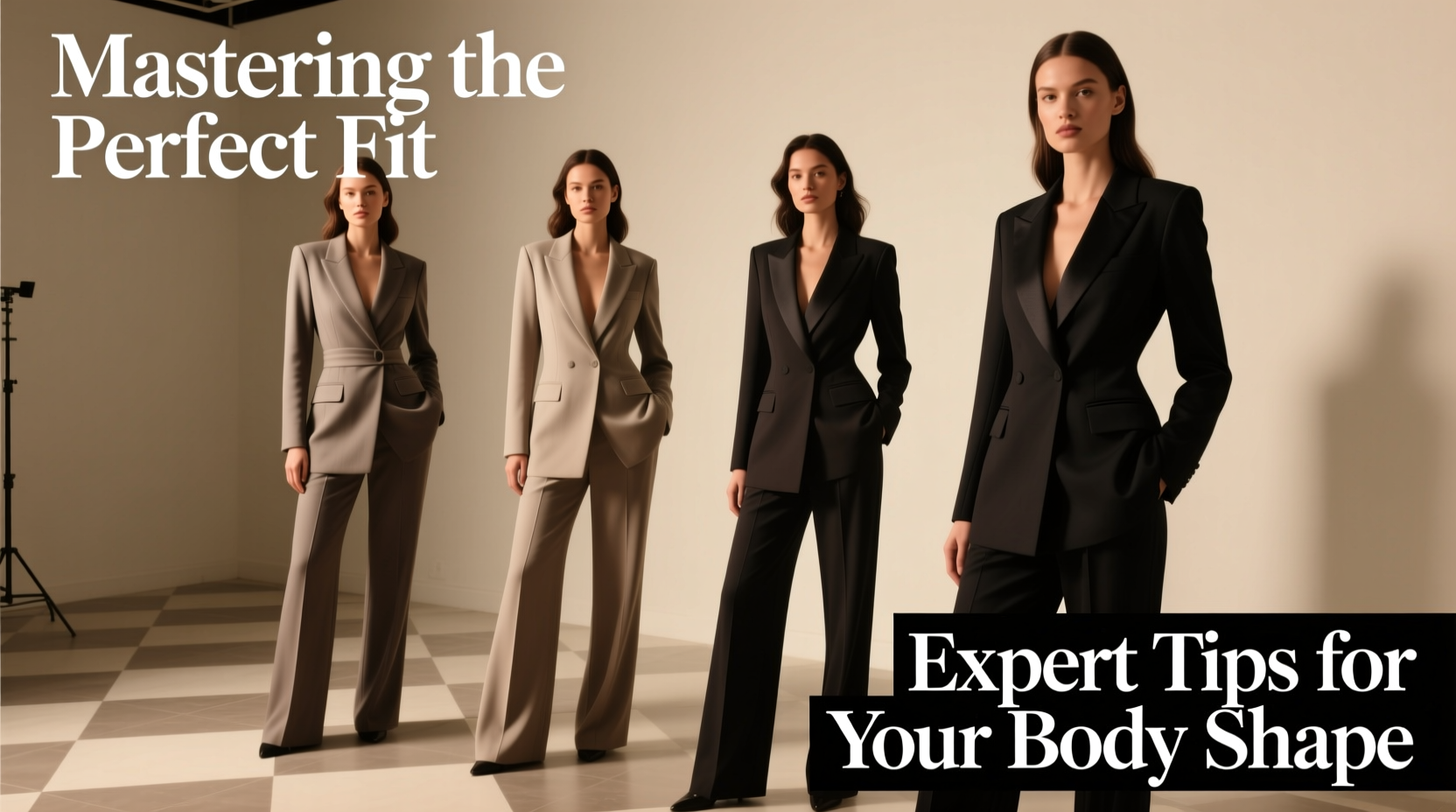
The first step in mastering suit selection is identifying your body shape. Unlike generic sizing, shape-based styling allows you to work with your natural proportions rather than against them. The five most common female body shapes are:
- Hourglass: Balanced bust and hips with a defined waist.
- Pear (or Triangle): Hips wider than shoulders, narrower at the top.
- Apple (or Round): Broader midsection, less defined waist, fuller through the torso.
- Inverted Triangle: Broad shoulders and bust, narrower hips.
- Rectangle (or Straight): Minimal waist definition, balanced shoulder-to-hip ratio.
Each shape responds differently to lapel width, jacket length, and pant or skirt cuts. A suit that enhances an hourglass figure may overwhelm a petite rectangle frame. Recognizing your shape helps narrow options and directs focus to the most flattering design elements.
Tip: Stand sideways in front of a mirror in a fitted tank top and leggings to observe your natural silhouette without fabric distortion.Finding the Right Cut for Your Frame
The cut of a suit—its architecture—determines how it drapes over your body. Even high-quality fabrics fail when the structure doesn’t complement the wearer. Here’s how to match cuts to shapes:
Hourglass: Emphasize the Waist
Opt for tailored, single-breasted jackets with nipped-in waists or those featuring darts. A belted blazer or peplum detail can further accentuate curves. Pair with straight-leg pants or pencil skirts that mirror the hip flare.
Pear: Balance the Lower Body
Select jackets with strong shoulders—structured lapels or padded shoulders create visual equilibrium. Avoid hip-length styles that end at the widest part of the hips. Instead, go for longerline jackets (just below the hip) and pair with A-line skirts or wide-leg trousers to elongate the leg line.
Apple: Streamline the Torso
Choose V-neck or notch-lapel jackets that draw the eye downward. Soft, fluid fabrics with stretch offer comfort without clinging. Jackets should hit at the high hip to avoid cutting across the midsection. Wrap-style blazers are excellent for creating a vertical line and concealing the waist gently.
Inverted Triangle: Soften the Shoulders
Go for unstructured, soft-shoulder jackets with minimal padding. Double-breasted styles can add volume lower down, balancing the upper body. Pair with fuller skirts or bootcut pants to widen the lower half subtly.
Rectangle: Create Dimension
Add shape with cropped jackets that hit above the hip, drawing attention to the waist. Belted blazers or layered looks (e.g., vest under a jacket) introduce curves. Wide-leg pants or flared skirts enhance lower-body volume.
“Fit is not about size—it’s about proportion. A suit should follow the body’s natural lines, not fight them.” — Lena Moretti, Celebrity Stylist & Tailoring Consultant
Tailoring Essentials: Why Off-the-Rack Isn’t Enough
Even the most expensive suit needs adjustments. Ready-to-wear garments are designed for averages, not individuals. Key areas to tailor include:
- Shoulders: The seam should end precisely where your arm meets the shoulder. Any droop or pulling indicates poor fit.
- Sleeves: Allow just 1/2 inch of shirt cuff to show. Too long hides hands; too short restricts movement.
- Jacket length: Should cover the seat. Shorter lengths expose the waistband awkwardly.
- Waist suppression: On structured jackets, ensure darts or seams follow your natural taper without pulling.
- Pant rise: High-waisted styles elongate legs and smooth the silhouette, especially beneficial for shorter torsos.
Investing in alterations pays dividends. A $500 suit altered by a skilled tailor often outperforms a $1,000 unaltered one.
Tip: Always try on suits with the type of blouse or camisole you’ll wear underneath—layering affects fit.Material and Color: Enhancing the Illusion
Fabric weight and color influence how a suit fits the eye. Heavier wools provide structure but may overwhelm petite frames. Lightweight blends (wool-silk, wool-viscose) drape better and offer breathability.
Patterns also play a role:
| Body Shape | Best Fabric | Recommended Color/Pattern |
|---|---|---|
| Hourglass | Wool crepe, stretch twill | Solid colors, subtle pinstripes |
| Pear | Medium-weight wool, ponte knit | Dark tops, lighter bottoms; vertical stripes on top |
| Apple | Stretch blends, soft gabardine | V-necks in dark shades; avoid horizontal stripes |
| Inverted Triangle | Fluid crepe, unstructured linen | Bottom-heavy patterns; monochrome sets |
| Rectangle | Ponte, textured weaves | Belted suits in bold solids; houndstooth for dimension |
Dark colors recede, making them ideal for areas you wish to minimize. Lighter tones advance, so use strategically—such as a pale blouse under a darker jacket to highlight the face.
Real-World Example: Sarah’s Interview Transformation
Sarah, a marketing executive with a pear-shaped body, struggled with suits that emphasized her hips. She often chose boxy, oversized blazers to “hide” her lower half, but they made her appear shapeless and diminished her presence.
After consulting a stylist, she switched to a navy double-breasted jacket with strong lapels and slightly padded shoulders. The structured top balanced her frame, while high-waisted, wide-leg trousers created a streamlined silhouette. The new suit boosted her confidence—and she landed the promotion she’d been aiming for.
“I didn’t change my skills,” she said. “But I finally looked like the leader I knew I was.”
Your Suit Selection Checklist
Before purchasing or tailoring a suit, run through this checklist:
- ✅ Identify your dominant body shape accurately.
- ✅ Choose a jacket style that balances your proportions.
- ✅ Ensure shoulder seams align perfectly with your shoulder line.
- ✅ Check sleeve length with your arms slightly bent.
- ✅ Confirm the jacket closes without strain or gaping.
- ✅ Select pants or skirts that sit at your natural waist and skim, not squeeze.
- ✅ Prioritize fabrics with slight stretch for comfort and movement.
- ✅ Plan for professional alterations—budget time and cost.
Frequently Asked Questions
Can I wear a pantsuit if I’m petite?
Absolutely. Opt for cropped or high-waisted pants with a shorter jacket. Monochromatic suits elongate the frame. Avoid overly wide legs or excessive fabric pooling at the ankle.
Is it okay to mix and match suit separates?
Yes, as long as the fabric, weight, and color match closely. A blazer from one brand and trousers from another can work if they share the same undertone and drape. Always try them together before wearing.
How many suits should a professional woman own?
At minimum, three: a dark solid (navy or charcoal) for formal settings, a mid-tone patterned suit for everyday wear, and a lighter or colored option for seasonal versatility. Quality over quantity ensures longevity and consistent presentation.
Final Thoughts: Wear Confidence, Not Just Cloth
Choosing the best women’s suit isn’t about chasing fashion—it’s about crafting an image of competence, clarity, and self-assurance. When your clothing aligns with your body’s natural geometry, you stop adjusting your jacket and start commanding the room.
Take the time to understand your shape, invest in proper tailoring, and select pieces that reflect both professionalism and personal style. A perfectly fitted suit isn’t just an outfit. It’s armor, expression, and invitation—all in one.
💬 Ready to redefine your professional wardrobe? Start by assessing your current suits using the checklist above, then share your transformation story in the comments.