
In the modern professional world, first impressions are often made in seconds. A well-tailored suit jacket is more than just clothing—it’s a statement of confidence, competence, and attention to detail. While owning a high-quality suit is essential, true mastery lies in how you style it. The difference between looking merely presentable and truly polished comes down to precision: fit, fabric, color coordination, accessories, and grooming. This guide breaks down the nuanced elements of styling a suit jacket that commands respect without shouting for attention.
The Foundation: Fit and Structure
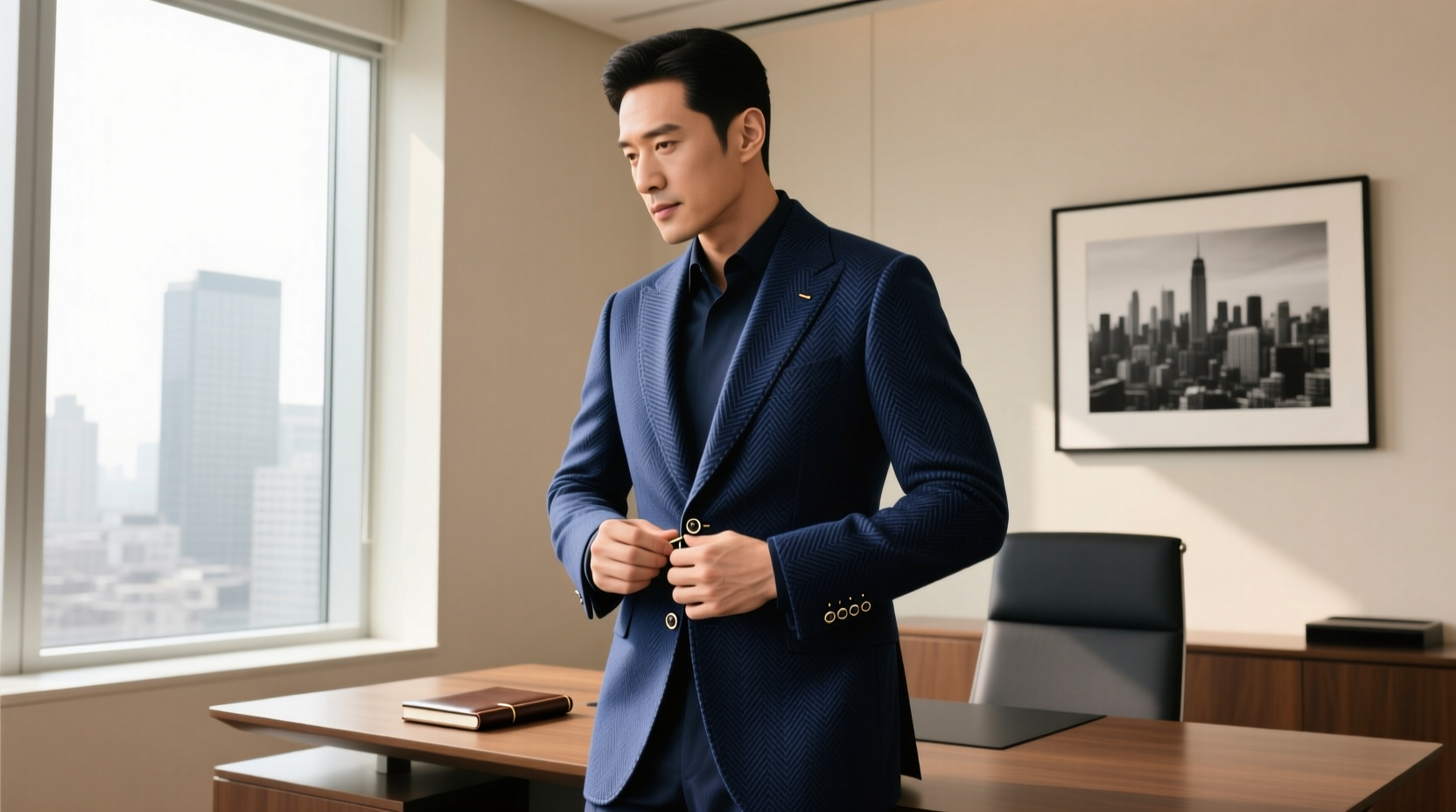
No amount of tailoring can fully correct a fundamentally poor fit. The jacket should align naturally with your body’s contours. Shoulder seams must end precisely where your shoulders slope into your arms—no extending over, no pulling inward. The sleeve length should allow about a quarter to half an inch of shirt cuff to show when your arms are relaxed at your sides.
The chest should drape smoothly without gapping or pinching. When buttoned, the jacket should close comfortably without strain. If horizontal wrinkles appear across the abdomen, the cut is too tight. Conversely, excess fabric under the arms suggests looseness that undermines sharpness.
Tip: Always try on a suit jacket with the shirt and tie you intend to wear regularly. Layers affect how the jacket sits.Consider structure carefully. Unstructured jackets offer comfort and casual elegance but may lack authority in conservative environments. Lightly padded shoulders maintain shape while remaining subtle. Fully canvassed construction ensures longevity and a natural drape, making it worth the investment for frequent wear.
Choosing the Right Fabric and Color
Wool remains the gold standard for suit jackets due to its breathability, resilience, and elegant drape. Super 110s to 130s wool offers a balance of softness and durability suitable for year-round office wear. For warmer climates or summer months, consider tropical wool or blends with linen (up to 20%) for added breathability.
Color sets the tone. Navy blue is universally flattering and appropriate for nearly every corporate setting. Charcoal gray conveys seriousness and versatility. Lighter grays and beige tones work well in creative industries but may lack gravitas in traditional finance or law firms.
“Color is silent communication. A navy jacket says, ‘I’m capable.’ A bright pattern says, ‘Look at me.’ Choose wisely.” — Daniel Hartwell, Menswear Consultant & Former Fashion Director at Esquire UK
| Fabric Type | Best For | Avoid If |
|---|---|---|
| Merino Wool | Daily wear, temperature regulation | High humidity (can pill) |
| Tropical Wool | Summer, warm offices | Cold environments |
| Wool-Silk Blend | Prestige meetings, evening events | Rainy commutes (delicate) |
| Flannel | Winter, executive presence | Hot climates (heavy) |
Coordination: Shirt, Tie, and Trousers
A suit jacket doesn’t exist in isolation. Its power is amplified—or undermined—by what lies beneath and beside it. A crisp white or light blue dress shirt provides maximum versatility. Ensure the collar fits snugly around the neck—two fingers should fit comfortably without gaping.
Ties should complement, not compete. Silk ties in solid colors or subtle textures (like grenadine) elevate professionalism. Avoid overly wide knots; the dimple should be centered and clean. The tip of the tie should reach the top of the belt buckle—never above or below.
Trouser matching matters. Even with separates, ensure the waistband, rise, and leg width harmonize. Mismatched lapel widths or contrasting finishes (matte vs. sheen) disrupt visual continuity.
Step-by-Step Guide: Building the Ideal Work Ensemble
- Select a single-breasted two-button jacket in navy or charcoal wool.
- Pair with flat-front trousers of identical fabric and color.
- Choose a non-iron cotton shirt in white or pale blue with a semi-spread collar.
- Add a silk tie in a complementary shade (burgundy, navy, or forest green).
- Secure with a simple knot (half-Windsor) and ensure proper length.
- Complete with black or dark brown oxford shoes and leather belt of matching tone.
- Check reflection: all lines flow, proportions are balanced, and nothing distracts.
Finishing Touches That Define Excellence
The details distinguish a well-dressed man from a casually attired one. Functional buttonholes on the left lapel (surgeon’s cuffs) signal quality craftsmanship—leave them undone unless custom-made. Pocket squares add dimension; a simple presidential fold in white linen works universally. Avoid loud patterns unless your environment encourages self-expression.
Shoes should be polished weekly. Scuffed soles or dusty uppers undermine even the finest fabric. Socks must be long enough to prevent skin exposure when seated—ideally two inches above the ankle. Opt for ribbed dress socks in navy, black, or charcoal that match or slightly contrast the trousers.
Tip: Use cedar shoe trees nightly to preserve shape and absorb moisture.Belts should be minimalist: one-prong, rounded edges, and minimal branding. Watch selection follows the same principle—understated dial, leather strap or metal bracelet that matches other metals (belt buckle, cufflinks).
Mini Case Study: From Overlooked to Promoted
James, a mid-level analyst at a financial advisory firm, was technically proficient but rarely invited to client meetings. After feedback indicated he “blended in,” he invested in a properly fitted navy wool suit jacket and learned precise coordination techniques. Within three months, colleagues noted his increased presence. He began leading presentations, was assigned high-profile clients, and received a promotion six months later. His attire didn’t earn him the role—but it opened the door.
Common Pitfalls and How to Avoid Them
- Over-accessorizing: Cufflinks, tie bars, pocket watches, and lapel pins together create clutter. Limit to one or two accents.
- Mismatched metals: Gold watch with silver buttons or belt buckle creates dissonance. Stick to one metal family per outfit.
- Ill-fitting shirts: Bulging collars or wrinkled sleeves ruin the jacket’s silhouette. Get shirts tailored if off-the-rack options don’t align.
- Forgotten maintenance: Lint, loose threads, or stains degrade perception instantly. Inspect before wearing.
Checklist: Suit Jacket Styling Essentials
- ✅ Jacket shoulders align perfectly with natural shoulder line
- ✅ One to two fingers fit comfortably at collar when buttoned
- ✅ Shirt cuffs extend ¼–½ inch beyond jacket sleeve
- ✅ Tie ends at top of belt buckle
- ✅ Shoes polished, socks high enough
- ✅ No visible stains, lint, or loose threads
- ✅ Pocket square adds texture, not chaos
- ✅ All buttons (except bottom) functional and secure
FAQ
Can I wear a suit jacket without matching trousers?
Yes, in creative or business-casual environments. Pair with chinos or dark jeans, but ensure the jacket’s weight, color, and formality align. Avoid mixing pinstripes with casual bottoms.
How many suit jackets should a professional own?
At minimum: one navy, one charcoal, and one patterned or seasonal option (e.g., herringbone or summer linen). Rotate to preserve fabric life and adapt to occasions.
Is it acceptable to roll up shirt sleeves under a suit jacket?
No. Rolled sleeves distort the jacket’s fit and suggest informality. If warmth is an issue, remove the jacket rather than compromise its integrity.
Conclusion
Styling a suit jacket with precision is not about vanity—it’s about intention. Every element, from thread count to toe cap shine, communicates discipline and respect—for oneself and others. In competitive workplaces, these subtleties accumulate into undeniable presence. Mastery isn’t achieved overnight, but through consistent choices: tailoring over trends, care over convenience, and clarity over clutter.
💬 Ready to refine your workwear identity? Audit your current suit collection this week. Identify one area for improvement—fit, fabric, or finishing—and take action. Share your journey or ask questions in the comments below.








