When it comes to investing in luxury accessories, the conversation often centers on handbags. Iconic styles from Chanel, Hermès, and Louis Vuitton dominate resale headlines with double-digit annual appreciation. But what about the quieter companion to your daily ensemble—the luxury wallet? Often overlooked in investment discussions, wallets are more than just functional items; they’re potential assets. So, between a high-end wallet and a designer bag, which truly holds—or even grows—its value over time?
This analysis goes beyond aesthetics and brand prestige. It examines depreciation rates, resale velocity, material durability, market demand, and long-term ownership costs to determine which accessory offers smarter financial returns.
Depreciation at Point of Purchase
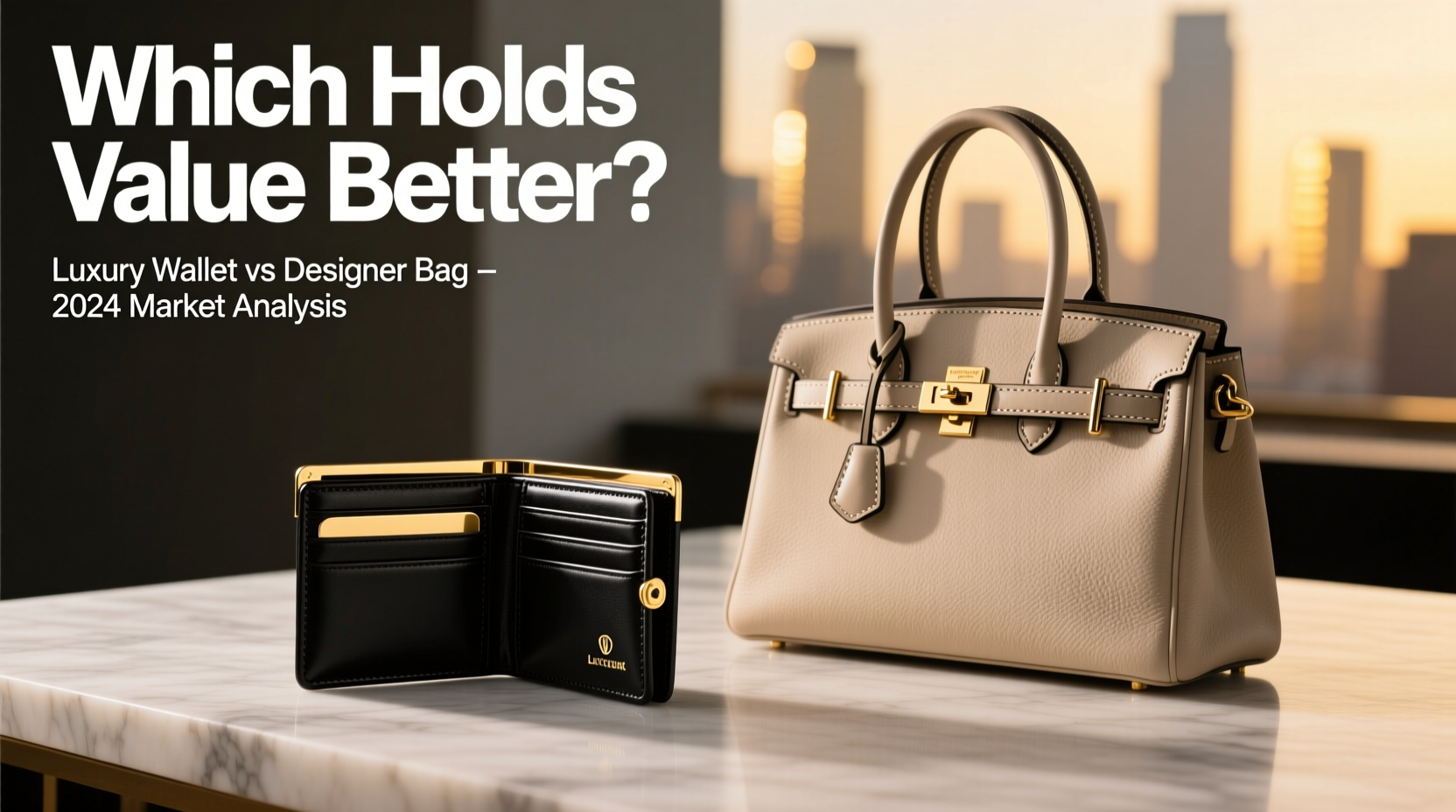
All luxury goods lose value the moment they leave the boutique. This is known as instant depreciation. For designer bags, this drop typically ranges from 10% to 30%, depending on brand, model, and availability. Rare or limited-run pieces like the Hermès Birkin may skip this rule entirely, sometimes commanding premiums above retail immediately after purchase.
Luxury wallets, by contrast, suffer a sharper initial hit. Because they are smaller, more replaceable, and less emotionally coveted, their resale value starts lower. A new Gucci GG Marmont wallet might retail for $490 but resell for $320 within weeks—nearly a 35% loss. The same trend applies across brands: Prada, Saint Laurent, and Fendi wallets routinely depreciate faster than their larger counterparts.
Tip: If buying for investment, avoid wallets with prominent logos—they date quickly and reduce long-term desirability.Resale Market Performance: Bags Lead, But Wallets Can Surprise
The secondary market tells a clear story: designer bags outperform wallets in both consistency and growth. According to data from Rebag’s 2023 Annual Luxury Index, the average Chanel flap bag retained 118% of its original retail value, while the brand’s bi-fold wallet held just 67%. Similarly, Hermès bags averaged 142% retention, whereas Hermès wallets hovered around 75–80%, depending on leather and hardware.
However, exceptions exist. Limited-edition wallets—especially those made from rare leathers (crocodile, lizard) or released as part of milestone collections—can appreciate. A discontinued Hermès Swift leather wallet in H noir with palladium hardware recently sold for 120% of its original price due to scarcity and collector interest.
“While bags dominate the investment space, niche wallets with archival significance can become hidden gems.” — Daniel Tran, Vintage Luxury Curator at Vault & Co.
Material and Craftsmanship: What Lasts Longer?
Durability directly impacts resale value. Designer bags, built for daily use, feature reinforced stitching, structured frames, and protective feet. Even after years of wear, many can be restored through professional cleaning and repair services.
Wallets face heavier daily stress. Constant folding, friction from coins, and exposure to oils from hands accelerate wear. Leather dries out, edges fray, and interior linings tear. While exotic skins perform better, most wallets show noticeable aging within 2–3 years of regular use.
That said, minimalist wallets made from ultra-durable materials—like carbon fiber or titanium—are emerging as long-term retainers, though they fall outside traditional “luxury” branding.
Comparative Investment Outlook
| Factor | Designer Bag | Luxury Wallet |
|---|---|---|
| Initial Depreciation | 10–30% | 25–40% |
| Avg. Resale Value (3 years) | 85–120% (luxury staples) | 50–75% |
| Market Liquidity | High (fast sell-through) | Moderate to Low |
| Rarity Impact | Significant (e.g., Birkin waitlist) | Minor (except archival/exotic) |
| Maintenance Needs | Moderate (cleaning, stuffing) | High (lining replacement, edge wear) |
| Potential for Appreciation | Strong (annual increases 8–14%) | Weak (only select cases) |
Real-World Example: Two Accessories, Ten Years Later
In 2014, two collectors each purchased a luxury item from Louis Vuitton: one bought the Neverfull MM ($1,300), the other the Zippy wallet ($580). Both were stored carefully, used sparingly, and kept in original boxes with dust bags.
By 2024, the Neverfull had undergone minor cleaning and resold for $2,100—a 61% increase. Adjusted for inflation, that’s still a real gain. The Zippy wallet, despite being pristine, fetched only $320 on the secondary market—45% below its original price.
The divergence highlights a key truth: brand equity doesn’t scale down proportionally. While both items carried the LV monogram, the bag benefited from enduring cultural relevance and utility. The wallet, though iconic in design, lacked the aspirational weight needed to sustain value.
How to Maximize Value Retention: A Step-by-Step Guide
Whether you own a bag or a wallet, proper care significantly influences resale outcomes. Follow this timeline to protect your investment:
- Day 1: Record serial number, keep receipt, and photograph item from all angles.
- First Week: Store in dust bag with tissue paper (for bags) or flat in a soft pouch (wallets).
- Monthly: Wipe exterior with manufacturer-recommended cleaner; check for loose threads.
- Every 6 Months: Rotate storage position; air out in ventilated room away from sunlight.
- Before Resale: Use professional restoration service if needed—especially for stains or hardware tarnish.
Expert Checklist: Buying for Resale Value
- ✅ Choose timeless silhouettes (e.g., Kelly, Classic Flap, 2.55)
- ✅ Prioritize neutral colors (black, beige, navy)
- ✅ Verify authenticity via serial code and craftsmanship details
- ✅ Buy from authorized retailers to ensure provenance
- ✅ Avoid seasonal prints or flashy embellishments unless limited edition
- ✅ Consider rarity: waitlisted items usually appreciate faster
FAQ
Can a luxury wallet ever be a good investment?
Yes, but only under specific conditions: limited production, exotic materials, archival status, or inclusion in a landmark collection. Most standard-issue wallets will depreciate.
Do brand-new unused bags always sell for more?
Not necessarily. While unworn condition helps, market timing, color, and hardware finish matter more. An unused neon pink tote may sell for less than a well-maintained classic black tote.
Are small leather goods worth collecting?
As standalone investments, rarely. However, complete sets—such as a matching bag, wallet, and keyholder—can attract premium bids from collectors seeking full ensembles.
Final Verdict: Bags Win for Long-Term Value
The evidence is consistent: designer bags hold—and often grow—their value far more reliably than luxury wallets. Their combination of emotional appeal, functional necessity, and brand storytelling makes them enduring assets in the fashion economy. Wallets, while practical and stylish, lack the same resale momentum.
That doesn’t mean wallets are worthless. For personal enjoyment, convenience, or as complementary pieces to a larger collection, they remain worthwhile. But if your goal is financial return, liquidity, or long-term appreciation, the designer bag remains the superior choice.
Still, smart ownership matters more than the category. A meticulously cared-for wallet from a rare line could outperform a neglected Birkin. Condition, provenance, and market awareness ultimately determine value—not size alone.
“The best luxury investment isn’t defined by price tag or label—it’s defined by intention. Buy knowing why, and preserve accordingly.” — Lena Moreau, Director of Fashion Resale at The RealReal
Take Action Today
Review your current accessories. Identify which pieces have investment potential based on brand, model, and condition. Start documenting ownership details, and consider professional storage solutions if you plan to resell. Whether you're holding a quilted Chanel wallet or a vintage Dior saddle bag, informed care today sets the foundation for tomorrow’s returns.
💬 Have a luxury wallet or bag that appreciated in value? Share your experience in the comments—your story could help others make smarter choices.