Earrings are more than just accessories—they’re expressions of personality, culture, and fashion. From delicate studs to dramatic chandeliers, the variety available today is vast. Yet one often overlooked factor in choosing the right pair is weight. While many focus on design, color, or material, the actual heft of an earring can significantly influence both comfort and long-term wearability. So, does weight really matter when it comes to earrings? The answer isn’t as simple as yes or no—it depends on anatomy, lifestyle, and even personal tolerance.
The Science Behind Earring Weight and Ear Comfort
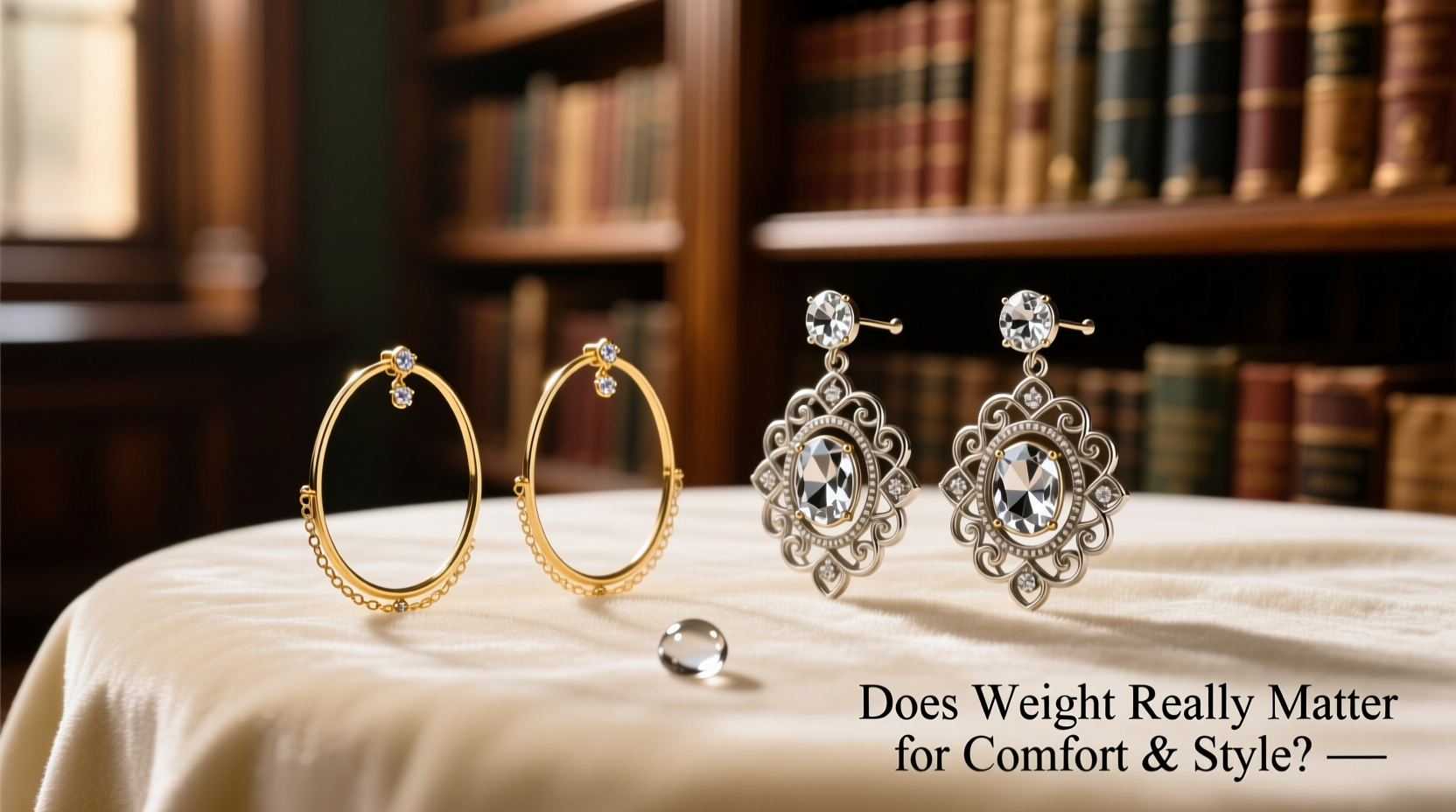
Human earlobes are composed of soft tissue without bone support, making them susceptible to pressure and strain. When an earring dangles or sits with significant mass, gravity continuously pulls down on the lobe. Over time, this can lead to discomfort, stretching, or even tearing—especially if worn for extended periods.
A study published in the *Journal of Cosmetic Dermatology* found that earlobes subjected to prolonged stress from heavy jewelry showed measurable elongation over months of regular use. Even earrings weighing as little as 5 grams per side can contribute to micro-tearing if worn daily. For context, a standard paperclip weighs about 1 gram; some statement earrings exceed 20 grams.
The placement of the piercing also plays a role. Upper ear cartilage piercings, such as helix or tragus, have less blood flow and are more prone to irritation. Heavy earrings in these areas increase the risk of migration, inflammation, and delayed healing.
“Earring weight is a critical but underestimated factor in both comfort and ear health. Many patients come in with stretched lobes or chronic pain simply because they love bold designs without considering the physical toll.” — Dr. Lena Torres, Board-Certified Dermatologist and Aesthetic Specialist
Comfort vs. Style: Finding the Balance
Fashion often prioritizes visual impact over practicality. Statement earrings command attention at events, photoshoots, or nights out. However, wearing them all day during work or travel may not be sustainable. Lighter alternatives offer all-day comfort while still delivering style.
Modern materials like titanium, acrylic, and hollow metal casting allow designers to create large-looking pieces that weigh surprisingly little. These innovations bridge the gap between drama and wearability.
Consider this: a pair of oversized geometric hoops made from lightweight aerospace aluminum might weigh only 6 grams total, whereas traditional solid brass hoops of similar size could reach 30 grams. The visual effect may be nearly identical, but the comfort difference is unmistakable.
Tip: Test earring weight by wearing them for short intervals. If you feel tugging after 30 minutes, they may not be ideal for full-day use.Comparing Light and Heavy Earrings: A Practical Breakdown
| Feature | Light Earrings (<5g per earring) | Heavy Earrings (>10g per earring) |
|---|---|---|
| Comfort Level | High – suitable for all-day wear | Low to moderate – best for short durations |
| Lobe Stress | Minimal – low risk of stretching | Significant – increases risk over time |
| Style Impact | Subtle to medium presence | High visual impact, bold statements |
| Suitable Occasions | Work, travel, casual outings | Evenings, events, photography |
| Material Options | Resin, titanium, sterling silver (thin gauge) | Solid metals, gemstone inlays, layered designs |
Real-Life Scenario: The Wedding Planner’s Dilemma
Maria, a 34-year-old wedding planner based in Austin, loves bold accessories. She owns several pairs of intricate, handcrafted chandelier earrings that she wears frequently. After months of back-to-back weddings—often wearing her favorite 18-gram tassel earrings for 10-hour shifts—she began experiencing persistent earlobe soreness and noticed visible stretching.
She consulted a dermatologist who advised switching to lighter options for daily wear and reserving heavier styles for special moments. Maria now keeps a rotation: lightweight gold hoops for client meetings and ultra-light resin drops for weekends. For ceremonies, she still wears her dramatic pieces—but only for photos and speeches, removing them afterward.
Her experience reflects a growing trend: professionals and fashion lovers alike are reevaluating their earring habits to prioritize both aesthetics and well-being.
How to Choose the Right Weight for Your Lifestyle
Selecting earrings shouldn’t be about sacrificing style for comfort. With thoughtful selection, you can enjoy both. Here’s a step-by-step guide to help match earring weight to your routine:
- Assess your daily activities. Do you spend hours on video calls, working out, or traveling? Opt for lightweight studs or small hoops.
- Check the specs. Look for product descriptions that include weight information. Reputable brands often list grams per piece.
- Try before you buy. If shopping in person, wear the earrings for at least 15 minutes to gauge comfort.
- Use supportive backs. Silicone cushioned backs or lever-backs distribute pressure better than butterfly clutches.
- Rotate your collection. Avoid putting constant strain on the same piercing by alternating between light and medium-weight pairs.
FAQ: Common Questions About Earring Weight
Can heavy earrings cause permanent damage?
Yes. Prolonged use of heavy earrings can lead to lobe thinning, elongated holes, or even complete splitting. In severe cases, surgical repair may be needed. Preventive care, including limiting wear time and using lighter alternatives, reduces this risk.
Are there any safe ways to wear heavy earrings?
Absolutely. Limit wear to special occasions, remove them after a few hours, and avoid sleeping in them. Consider using earring supports or clear backing shields that relieve pressure on the lobe.
Do earring weights affect different piercings differently?
Definitely. Lobe piercings can tolerate slightly more weight due to thicker tissue, but cartilage areas like the helix or daith should never bear heavy loads. Healing piercings are especially vulnerable—always follow aftercare guidelines and avoid heavy jewelry during recovery.
Expert-Backed Checklist for Smart Earring Choices
- ✅ Weigh your earrings before purchasing (use a digital scale if unsure)
- ✅ Prioritize lightweight materials for daily wear
- ✅ Use cushioned earring backs to reduce pressure
- ✅ Avoid sleeping or exercising in heavy earrings
- ✅ Inspect earlobes monthly for signs of stretching or thinning
- ✅ Rotate earring styles to prevent strain on specific piercings
- ✅ Consult a professional if you notice pain, redness, or deformation
Conclusion: Style Shouldn’t Come at the Cost of Comfort
The debate between light and heavy earrings isn’t about which is better overall—it’s about matching your choices to your life. Lightweight earrings offer enduring comfort and versatility, perfect for everyday elegance. Heavier designs bring drama and flair, ideal for moments when you want to stand out. The key is awareness: understanding how weight affects your body allows you to make informed decisions without compromising your aesthetic.
Fashion evolves, but so should our approach to wearing it safely. Whether you're drawn to minimalist studs or cascading tassels, let comfort guide your choices as much as color or cut. By balancing style with sustainability, you can enjoy your favorite accessories for years—without paying the price in pain or damage.
💬 What’s your go-to earring weight for daily wear? Share your favorite lightweight finds or styling tips in the comments below!








