The Lacel Urwebin has taken urban commuters by storm. With its minimalist design, vegan leather finish, and social media presence, it's become a staple in city wardrobes from Brooklyn to Berlin. But beneath the aesthetic appeal lies a functional question: when it comes to daily commuting, does the Urwebin tote truly outperform a traditional backpack—or is its popularity more about image than utility?
This isn’t just a style debate. It’s about ergonomics, load management, durability, and long-term comfort. For professionals lugging laptops, notebooks, water bottles, and transit passes every day, choosing the right bag can mean the difference between arriving composed or with shoulder strain and disorganization.
Design and Aesthetic Appeal: Why the Hype?
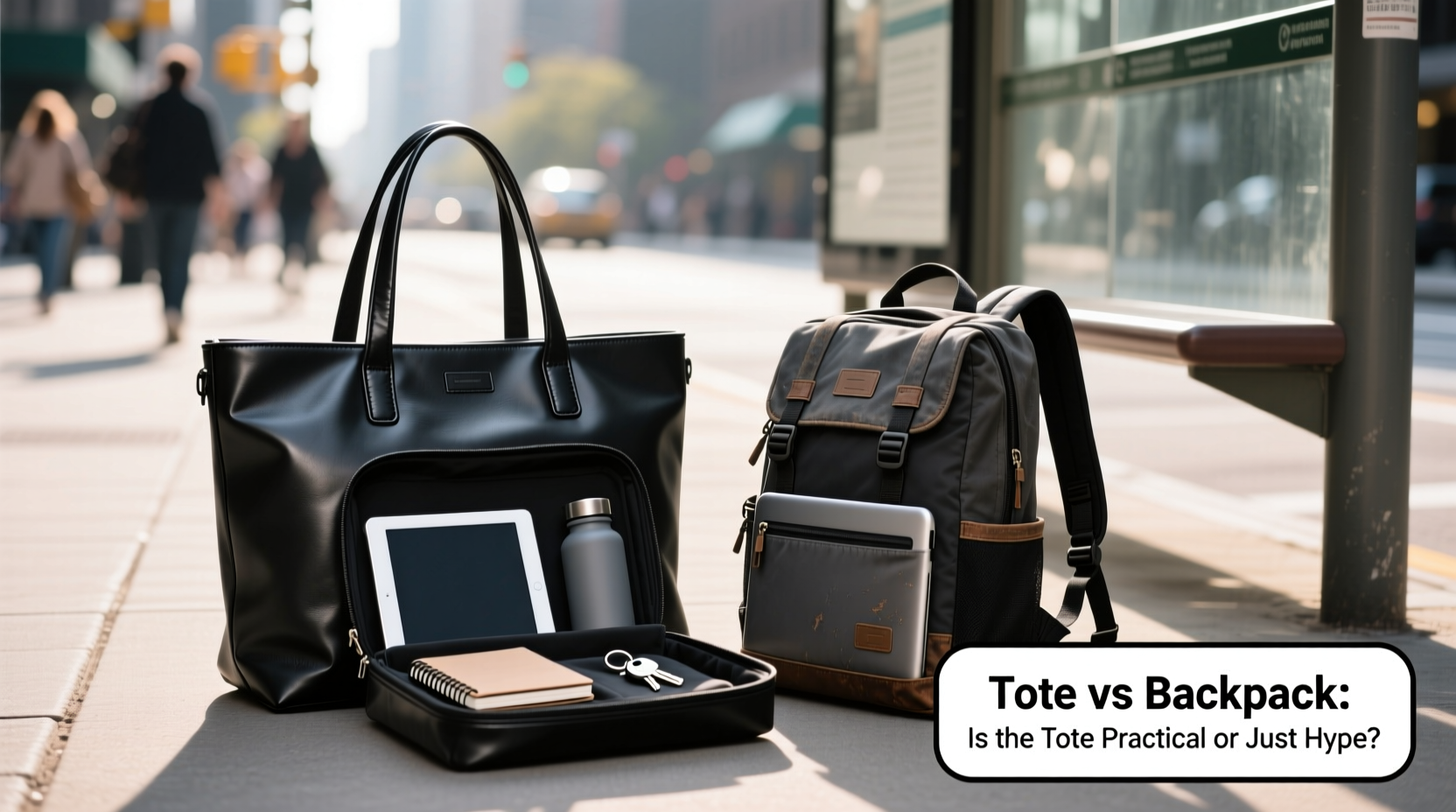
The Urwebin tote thrives on visual minimalism. Clean lines, structured silhouette, and a neutral color palette make it an Instagram favorite. Unlike many backpacks that lean into sporty or technical aesthetics, the tote blends seamlessly into office environments, coffee shops, and after-work events. It projects professionalism without sacrificing modern flair.
Its rise parallels the broader trend of “quiet luxury” in accessories—where understated quality replaces loud branding. The tote’s material, often marketed as premium vegan leather, resists scuffs better than expected and ages gracefully if maintained properly.
“People don’t buy the Urwebin for function first—they buy it because it looks like success.” — Dana Reyes, Urban Lifestyle Analyst at MetroTrend Insights
But appearance alone doesn’t carry your laptop safely through rush hour or protect your spine during a 30-minute walk. That’s where real-world performance becomes critical.
Ergonomics and Comfort: One Shoulder vs Balanced Load
Carrying weight on one shoulder may look effortless in curated photos, but biomechanically, it creates imbalance. Over time, uneven load distribution leads to muscle fatigue, neck tension, and postural issues. Backpacks, by contrast, distribute weight across both shoulders and closer to the body’s center of gravity.
The Urwebin tote lacks padding on its straps and offers no cross-body option in most models. This means all weight rests directly on one side. Users frequently report shifting the bag from shoulder to shoulder mid-commute—a sign of discomfort rather than style versatility.
Tip: If you must use a tote daily, alternate shoulders frequently and avoid loads over 5 pounds to reduce musculoskeletal strain.Backpacks designed for commuting typically include padded shoulder straps, chest or sternum straps, and even waist belts for heavier loads. These features stabilize the bag, minimizing sway and reducing fatigue—especially important when navigating crowded sidewalks or climbing subway stairs.
Capacity and Organization: Open Top vs Compartmentalized Storage
The Urwebin tote features a wide-open main compartment. While this makes accessing items quick, it also increases the risk of losing small objects (like pens, earbuds, or keys) and exposes contents to weather and prying eyes. There are no internal pockets for a phone or wallet, which forces users to either leave them exposed or carry a separate clutch.
Compare this to most modern commuter backpacks, which offer:
- Dedicated padded laptop sleeves (fits up to 15\")
- Zippered interior and exterior pockets
- Hidden anti-theft compartments
- Water bottle side holders
- Quick-access phone or transit card slots
In rainy climates or high-crime areas, these organizational advantages translate into real security and convenience. The tote’s open design may suit short trips, but it falls short for dynamic commutes involving multiple stops or unpredictable conditions.
Real-World Durability: Daily Wear and Tear
A case study of three Urwebin tote owners in Chicago—one year post-purchase—reveals a consistent pattern. All reported fraying at the strap attachment points, especially among those carrying more than 6 pounds regularly. Two noted permanent creasing from being stuffed into train seats or under desks.
By comparison, a group using durable commuter backpacks (e.g., brands like Timbuk2, Peak Design, or Fjällräven) showed significantly less structural wear. Zippers remained functional, stitching intact, and frames retained shape—even after two years of near-daily use.
Vegan leather, while eco-conscious, tends to crack over time when folded or overloaded. Backpacks made from ballistic nylon or recycled polyester resist abrasion and moisture far better—critical for commuters facing rain, snow, or crowded public transport.
| Feature | Lacel Urwebin Tote | Commuter Backpack (Average) |
|---|---|---|
| Weight Capacity | 5–7 lbs recommended | 15–25 lbs supported |
| Ergonomic Support | None (single shoulder) | Padded straps, optional sternum/waist belt |
| Weather Resistance | Moderate (leather-like coating) | High (water-resistant fabrics + rain covers) |
| Organization | Minimal (1–2 pockets max) | Multiple zippered & tech-specific compartments |
| Durability (1+ Year Use) | Fraying straps, creasing common | High retention of structure and function |
| Security | Low (open top) | High (zippered, lockable, hidden pockets) |
When the Tote Works—and When It Doesn’t
The Urwebin tote isn’t inherently flawed—it’s context-dependent. It excels in specific scenarios:
- Short commutes (walking or rideshare under 15 minutes)
- Light loads (laptop, notebook, sunglasses)
- Office-to-event transitions where style matters more than storage
- Users who prioritize aesthetics and switch to a different bag for travel or gym
But it struggles when:
- You carry more than 7 pounds regularly
- Your commute involves stairs, bikes, or standing in packed trains
- You need quick access to multiple items (transit pass, phone, umbrella)
- You face variable weather or safety concerns
Step-by-Step: Choosing Your Ideal Commute Bag
- Assess your typical load: Weigh your daily essentials. If it exceeds 7 pounds, lean toward a backpack.
- Map your route: Count stairs, evaluate seating availability, and note exposure to elements.
- Test carry styles: Try both bags in-store or via trial period. Walk for 10 minutes with your usual load.
- Check organization needs: List how many items you access mid-commute (phone, wallet, transit card).
- Evaluate long-term care: Can you clean it easily? Does it hold shape when empty?
- Decide on primary goal: Style consistency or functional reliability?
FAQ
Can I make the Urwebin tote more comfortable for commuting?
Yes, but with limitations. Use a wider, padded strap cover to reduce pressure. Pack light, and consider adding a slim insert sleeve for your laptop. However, you can’t change its fundamental lack of back support or balance.
Is the Urwebin worth the price for daily use?
If you value aesthetics and only commute short distances with minimal gear, yes. But for heavy or active use, that $120–$150 might be better spent on a purpose-built commuter backpack with longer durability and better ergonomics.
Are there tote alternatives that blend style and function?
Absolutely. Look for structured totes with reinforced double straps, water-resistant linings, and interior organization. Brands like Dagne Dover, Bellroy, or Cuyana offer stylish options with better functionality than the Urwebin.
Conclusion: Practicality Over Hype
The Lacel Urwebin tote is undeniably stylish—a sleek accessory that fits effortlessly into curated lifestyles. But style without substance fades quickly when faced with the physical demands of daily commuting. For those walking miles, climbing stairs, or carrying tech-heavy loads, a well-designed backpack remains the superior choice in comfort, safety, and longevity.
That doesn’t mean abandoning the tote entirely. Instead, reframe it as part of a rotation—not your sole workhorse. True practicality lies not in following trends, but in aligning your tools with your lifestyle. Choose based on what serves you, not what trends tell you to want.
💬 What’s your go-to commute bag? Share your experience—style lover or function-first traveler? Join the conversation below.








