When the wind picks up and temperatures drop, headwear becomes essential for staying warm. Two of the most common winter hats—knit beanies and fleece hats—are staples in cold-weather wardrobes. But when faced with biting winds, which one truly performs better at retaining heat? The answer isn’t as simple as material preference; it depends on construction, fit, airflow resistance, and how each fabric interacts with wind chill. Understanding the science behind insulation and wind penetration can help you make an informed choice for outdoor comfort.
How Heat Retention Works in Cold Weather
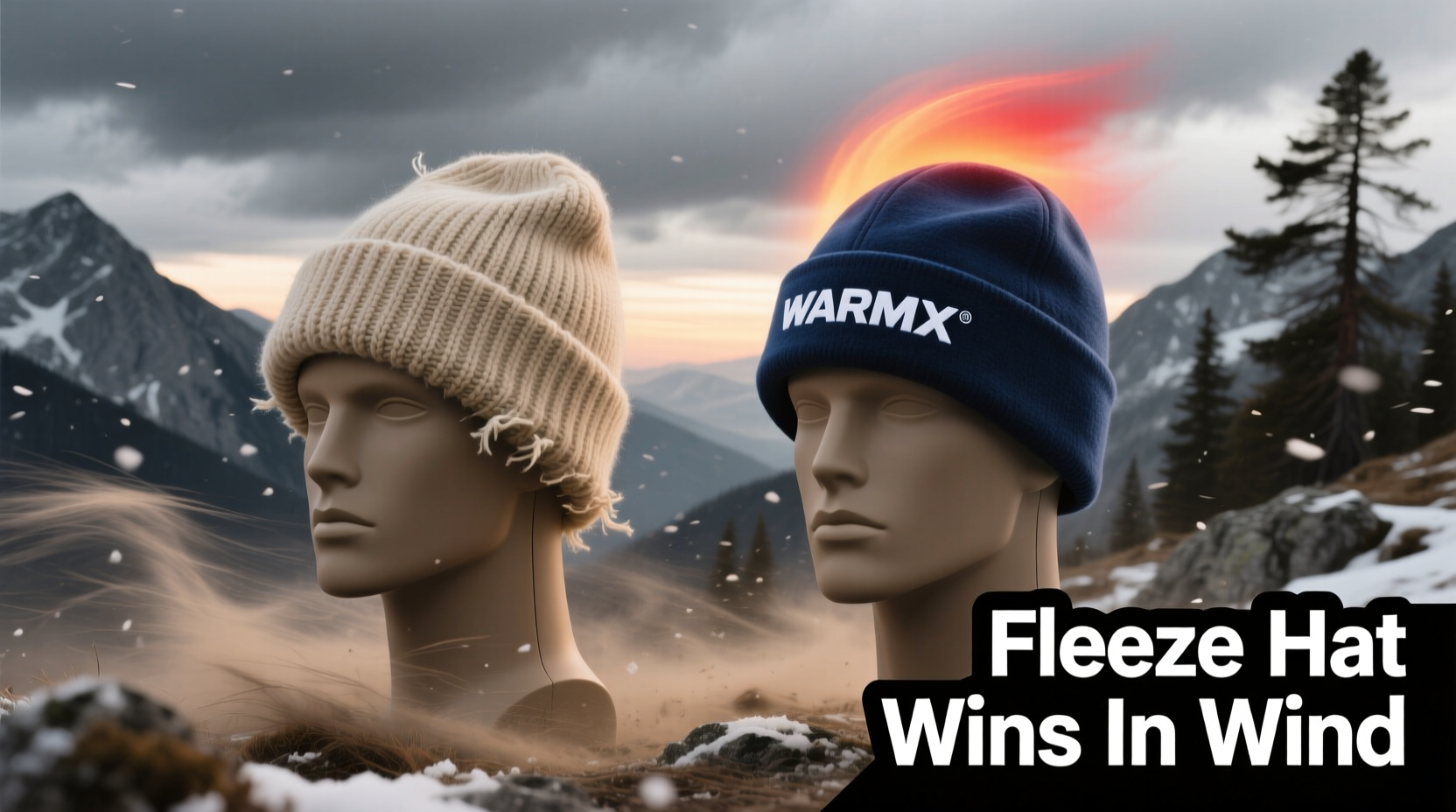
The human body loses a significant amount of heat through the head—up to 10%, according to the U.S. Army Research Institute of Environmental Medicine. In windy conditions, this loss accelerates due to convection, where moving air strips away the thin layer of warm air surrounding the skin. Effective headwear must do more than just insulate—it must also minimize wind intrusion.
Heat retention depends on three key factors:
- Insulating capacity: How well the material traps warm air.
- Wind resistance: How effectively the fabric blocks airflow.
- Fit and coverage: Whether the hat seals around the ears and base of the skull.
Both knit beanies and fleece hats aim to address these concerns, but they do so in fundamentally different ways. To determine which is superior in windy conditions, we need to examine their materials, structure, and real-world performance.
Knit Beanies: Trapping Warmth Through Structure
Knit beanies are typically made from wool, acrylic, or wool-blend yarns woven into a stretchy, textured fabric. Their primary mechanism for heat retention is creating pockets of trapped air between stitches. Wool, especially merino, is naturally insulating even when damp—a critical advantage in wet-cold environments.
However, the very feature that makes knit beanies breathable—the open stitch pattern—can become a liability in high winds. Air can penetrate the gaps between loops, disrupting the warm microclimate near the scalp. Tight-knit patterns (like ribbing or cable knits) reduce this effect, but most traditional beanies still allow some airflow.
Wool’s crimped fiber structure creates natural loft, enhancing its ability to hold heat. Acrylic versions mimic this but lack moisture-wicking and breathability. A tightly knit 100% wool beanie may outperform many fleece hats in dry, moderately windy conditions due to superior thermal mass and loft.
Tip: Choose a beanie with a dense, tight knit and full ear coverage for better wind resistance. Avoid overly loose or lacy patterns in blustery weather.Fleece Hats: Engineered for Wind Resistance
Fleece, typically made from polyester, is designed as a synthetic insulator. Unlike knitting, fleece is a napped fabric—meaning fibers are brushed to create a soft, lofty pile that traps air efficiently. Modern fleece (especially Polartec® variants) is engineered for maximum warmth-to-weight ratio and quick drying.
One of fleece’s greatest advantages in windy conditions is its low permeability. While not fully windproof, high-pile fleece resists airflow significantly better than most knits. When combined with a snug fit and elasticized edges, fleece hats form a semi-barrier against wind chill.
Additionally, many fleece hats include design features like extended ear flaps, under-chin straps, or integrated neck gaiters—elements rarely found in classic beanies. These enhance coverage and reduce convective heat loss. Fleece also maintains consistent insulation regardless of stitch tension, making performance more predictable.
“Fleece excels in active winter sports because it combines light insulation with excellent wind buffering. For sustained exposure to wind, it often outperforms traditional knits.” — Dr. Lena Torres, Outdoor Gear Materials Scientist
Direct Comparison: Knit Beanie vs Fleece Hat
| Feature | Knit Beanie | Fleece Hat |
|---|---|---|
| Insulation Type | Air trapped in knit structure | Air trapped in fiber pile |
| Wind Permeability | Moderate to high (depends on knit density) | Low to moderate |
| Breathability | High | Moderate |
| Durability | Good (wool), fair (acrylic) | Excellent (resists pilling and abrasion) |
| Moisture Management | Wool: excellent; Acrylic: poor | Good wicking, slow drying if saturated |
| Fit & Coverage | Variable; often less structured | Often includes adjustable elements |
| Best Use Case | Urban wear, dry cold, light wind | Hiking, skiing, high-wind exposure |
The data shows that while both types provide insulation, fleece hats generally offer better wind resistance and consistent coverage—key advantages when battling gusts. However, wool-based beanies retain an edge in extreme cold due to superior passive insulation and moisture regulation.
Real-World Performance: A Winter Hiker’s Experience
Consider Mark, an avid backcountry skier in Colorado. During a recent ascent in -10°C (14°F) weather with 30 km/h (18 mph) winds, he wore a loosely knit acrylic beanie under his helmet. Within 20 minutes, he began feeling sharp cold on his temples and behind the ears. The wind had penetrated the knit, chilling his skin despite the hat’s thickness.
On a subsequent trip, he switched to a high-pile fleece balaclava-style hat with ear coverage and a snug fit. Even in similar conditions, he remained comfortable for over an hour. The fleece blocked airflow more effectively and maintained warmth without requiring additional layers.
This scenario illustrates a common limitation of knit beanies: their reliance on passive insulation without sufficient wind mitigation. In contrast, fleece’s engineered structure provides active defense against convective cooling.
Optimizing Heat Retention: A Step-by-Step Guide
Regardless of your preferred hat type, maximizing warmth in windy conditions requires strategic layering and usage. Follow this sequence for best results:
- Assess the conditions: Determine wind speed, temperature, and activity level. High wind + low exertion = prioritize wind resistance.
- Choose the right material: Opt for dense-knit wool or high-pile fleece. Avoid loose weaves or thin acrylic.
- Ensure full coverage: Select a hat that extends below the ears and covers the nape of the neck if possible.
- Layer if necessary: Wear a thin thermal liner (e.g., silk or merino skullcap) under your main hat for added insulation.
- Seal gaps: Pair your hat with a scarf or neck gaiter to prevent cold air from rising underneath.
- Monitor moisture: If sweating, vent slightly or switch to a more breathable option to avoid damp chill.
- Replace when worn: Compressed or matted insulation loses effectiveness. Replace flattened fleece or stretched-out beanies.
Common Myths About Winter Headwear
Several misconceptions influence hat choices:
- Myth: All beanies are equally warm. Truth: A loosely knit acrylic beanie may offer less warmth than a lightweight fleece cap.
- Myth: Thicker always means warmer. Truth: Compression reduces loft. A thick but poorly fitting hat may flatten and lose insulation.
- Myth: You lose most of your body heat through your head. Truth: Heat loss is proportional to exposed area. Any uncovered body part contributes significantly.
Understanding these myths helps avoid ineffective choices. It’s not about volume or tradition—it’s about matching material properties to environmental demands.
Checklist: Choosing the Right Hat for Windy Conditions
Use this checklist before purchasing or wearing a winter hat in windy weather:
- ✅ Is the material wind-resistant? (Look for tightly napped fleece or dense wool knit)
- ✅ Does it cover the ears completely?
- ✅ Is the fit snug without being uncomfortable?
- ✅ Does it work with other gear (helmet, glasses, hood)?
- ✅ Is it suitable for your activity level? (Breathable for high exertion, insulated for static use)
- ✅ Can it be layered with a liner if needed?
- ✅ Is it durable enough for repeated exposure to wind and friction?
Frequently Asked Questions
Can I make a knit beanie more wind-resistant?
Yes. Layering is effective—wear a thin wind-blocking liner beneath the beanie. Alternatively, choose a beanie with a built-in fleece inner or hybrid construction. Some brands now offer “wind-knit” beanies with tighter gauges and blended fibers to reduce airflow.
Are fleece hats too hot for active use?
Not necessarily. While fleece is less breathable than wool, modern mid-weight and grid-pattern fleeces are designed for activity. They wick moisture and retain warmth even when damp. For high-output activities in sub-zero winds, fleece remains a top choice among mountaineers and snowshoers.
Which is better for people with sensitive skin?
Fleece is generally softer and less itchy than coarse wool, making it ideal for sensitive scalps. However, merino wool blends offer warmth without irritation. Always check fabric content and consider a cotton or silk liner if needed.
Final Verdict: Which Retains Heat Better in Wind?
In direct comparison, **fleece hats generally retain heat better than knit beanies in windy conditions**. Their tightly napped surface resists airflow more effectively, maintaining the insulating boundary layer around the head. When combined with thoughtful design—such as extended brims, ear coverage, and snug fits—fleece outperforms most traditional knit structures under wind stress.
That said, a high-quality, densely knit wool beanie can rival or exceed fleece in still, extremely cold environments. Wool’s natural resilience, moisture management, and thermal mass give it an edge where wind is minimal. But when gusts are present, fleece’s engineered consistency wins.
For optimal performance, consider hybrid options: fleece-lined beanies, wind-knit caps, or convertible styles that combine materials. The future of winter headwear lies in smart integration—not choosing one over the other, but leveraging the strengths of both.
💬 What’s your go-to hat in windy weather? Share your experience in the comments and help others stay warm and informed this winter season.