In an age dominated by screens—laptops, smartphones, tablets, and televisions—concerns about digital eye strain and sleep disruption have surged. One solution that has gained widespread popularity is blue light blocking glasses. Marketed as a way to reduce eye fatigue, improve sleep, and protect long-term vision, these amber- or clear-lensed glasses now line drugstore shelves and online storefronts. But behind the sleek branding and influencer endorsements, a critical question remains: are blue light blocking glasses truly effective, or are they just another wellness trend fueled by marketing?
To answer this, we need to look beyond anecdotal claims and examine what scientific research says about blue light, its effects on the human body, and whether filtering it through special lenses delivers measurable benefits.
The Science Behind Blue Light
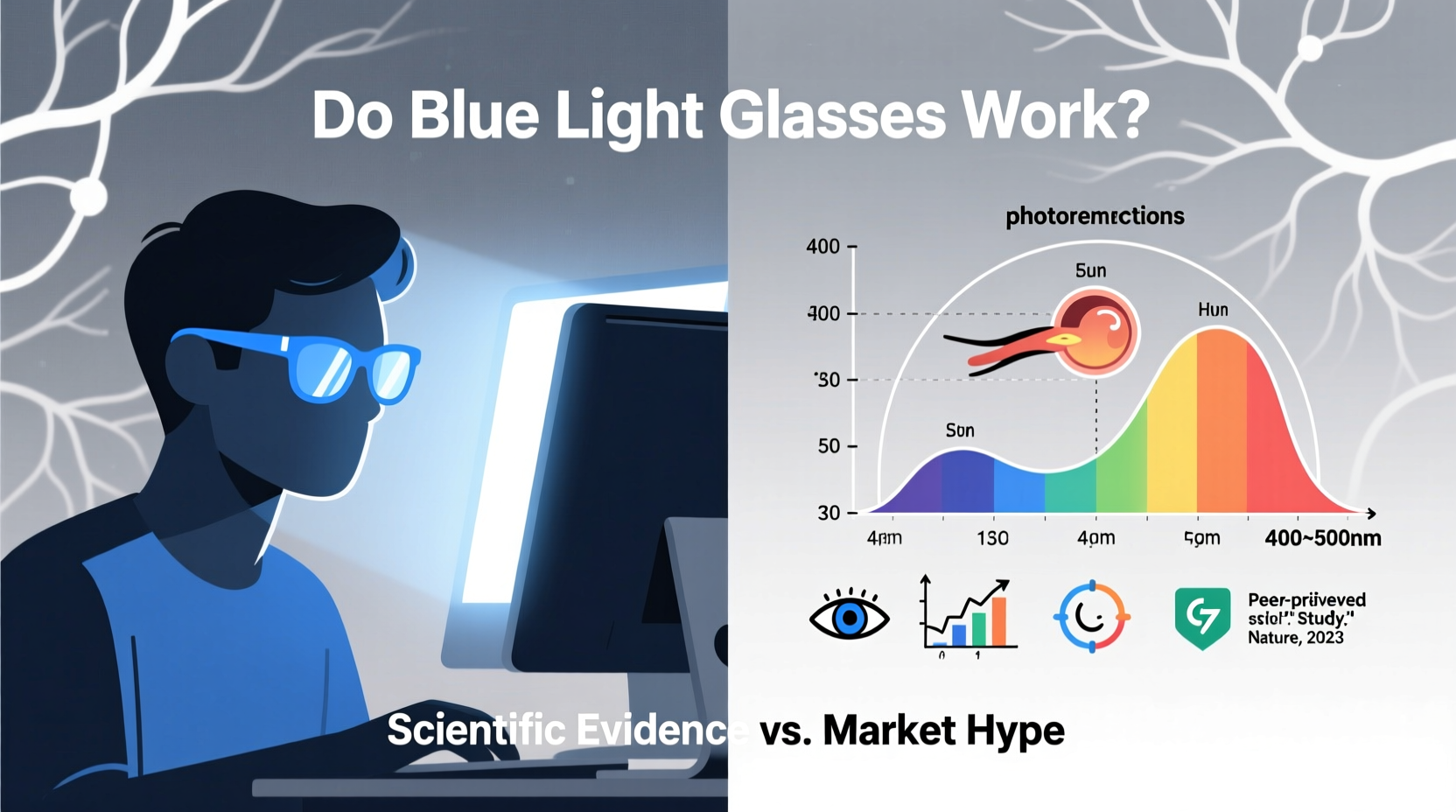
Blue light is part of the visible light spectrum, with wavelengths between approximately 380 and 500 nanometers (nm). It’s naturally emitted by the sun and plays a crucial role in regulating circadian rhythms—the internal clock that tells your body when to be awake and when to sleep. Exposure to natural blue light during the day boosts alertness, mood, and cognitive performance.
However, artificial sources such as LED screens and energy-efficient lighting also emit significant amounts of blue light, especially in the shorter, high-energy wavelengths (around 400–450 nm), sometimes referred to as \"blue-violet\" light. Some researchers suggest that excessive exposure to this type of light, particularly at night, may interfere with melatonin production—a hormone essential for sleep onset.
“Evening exposure to blue-rich light from screens can delay melatonin release by up to three hours, disrupting sleep timing and quality.” — Dr. Steven Lockley, Neuroscientist, Division of Sleep Medicine, Harvard Medical School
While the biological mechanism is well-established, the extent to which consumer-grade blue light glasses mitigate these effects remains debated.
Do Blue Light Blocking Glasses Actually Work?
Several studies have investigated the impact of blue light filtering lenses on sleep and visual comfort. The results are mixed but point to some meaningful patterns:
- A 2017 study published in Chronobiology International found that participants who wore amber-tinted blue light blocking glasses for three hours before bedtime experienced significant improvements in sleep quality and melatonin levels compared to a control group.
- A 2020 randomized trial in the Journal of Clinical Sleep Medicine showed modest improvements in subjective sleep quality among adults using blue light filters, though objective measures like sleep duration did not differ significantly.
- Conversely, a 2021 review in Ophthalmic & Physiological Optics concluded that while blue light-blocking lenses may slightly improve sleep onset latency, there is insufficient evidence to support broad claims about eye health or protection against retinal damage.
One key factor influencing effectiveness is lens color. Amber or orange-tinted lenses block a broader range of blue light (especially below 500 nm) and tend to show stronger results in sleep-related studies. Clear lenses marketed as “blue light filtering” typically only block a small percentage (around 10–20%) of blue light and may offer minimal physiological benefit.
Tip: If improving sleep is your goal, opt for amber-tinted blue light glasses worn consistently 1–2 hours before bed.Addressing Digital Eye Strain: Separating Fact from Fiction
Many users report reduced eye fatigue after wearing blue light glasses, but research suggests other factors may be more influential. The American Academy of Ophthalmology (AAO) states that there is no strong clinical evidence linking screen-emitted blue light to eye disease or permanent damage. Instead, symptoms like dry eyes, blurred vision, and headaches—commonly labeled as “digital eye strain”—are more likely caused by prolonged focus, reduced blinking, poor ergonomics, and uncorrected vision problems.
In fact, a 2019 study in Optometry and Vision Science found that participants wearing placebo lenses (clear, non-filtering) reported similar reductions in eye discomfort as those using blue light-blocking versions, suggesting a potential placebo effect or that behavioral changes—not the glasses themselves—were responsible for symptom relief.
This doesn’t mean blue light glasses are useless. For individuals sensitive to glare or working in low-light environments, reducing screen brightness combined with filtered lenses may provide comfort. However, relying solely on glasses without addressing underlying habits limits their impact.
Real-World Example: A Shift Worker’s Experience
Consider Maria, a 34-year-old nurse working rotating night shifts. After nights spent charting on a backlit tablet and scrolling through her phone during breaks, she struggled to fall asleep during the day. She began wearing amber-tinted blue light glasses two hours before her planned sleep time. Within a week, she reported falling asleep faster and feeling more rested.
Maria’s experience aligns with known chronobiology principles: blocking blue light signals the brain that it’s nighttime, even if the sun is shining outside. While individual responses vary, her case illustrates how targeted use of blue light glasses—combined with consistent sleep hygiene—can yield tangible benefits.
Still, Maria also made other changes: she started using blackout curtains, avoided caffeine after her shift, and limited screen time right before bed. This holistic approach likely amplified the effect of the glasses.
What the Experts Say About Long-Term Use
Despite growing consumer interest, many eye care professionals remain cautious about overstating the benefits. The AAO emphasizes that while blue light glasses are generally safe, they should not replace proven strategies for eye health and sleep improvement.
“We see patients convinced their glasses will prevent macular degeneration, but there’s zero evidence that screen use causes such conditions. The real issue is how long people stare without breaks.” — Dr. Paul B. Freeman, Ophthalmologist and Fellow of the American Academy of Ophthalmology
Experts agree that behaviors matter more than accessories. The 20-20-20 rule—taking a 20-second break every 20 minutes to look at something 20 feet away—is far more effective at reducing eye strain than any lens filter. Similarly, reducing screen brightness, increasing text size, and optimizing workspace lighting address root causes more directly.
Comparison Table: Blue Light Glasses vs. Proven Alternatives
| Method | Effect on Sleep | Effect on Eye Strain | Scientific Support |
|---|---|---|---|
| Amber-tinted blue light glasses (worn pre-bed) | Modest improvement | Limited | Moderate (for sleep) |
| Clear blue light filtering lenses | Negligible | Minimal | Low |
| Screen night mode / warm filters | Modest improvement | Slight | Moderate |
| 20-20-20 rule + ergonomic setup | No direct effect | Significant improvement | High |
| Consistent sleep schedule + dark environment | Strong improvement | No effect | Very High |
Actionable Checklist: Maximizing Benefits from Blue Light Glasses (If You Choose to Use Them)
If you're considering blue light blocking glasses—or already own a pair—follow this checklist to ensure you’re using them effectively:
- Determine your primary goal: Are you aiming to improve sleep, reduce glare, or ease eye strain? This will guide your choice of lens type.
- Choose tint wisely: For sleep support, select amber or red-tinted lenses. For daytime computer use, clear lenses with moderate filtering may suffice.
- Wear them consistently: Use them at least 1–2 hours before bedtime if targeting sleep improvement.
- Combine with screen settings: Enable night shift, dark mode, or reduce screen brightness to enhance the effect.
- Don’t neglect other habits: Practice the 20-20-20 rule, get regular eye exams, and optimize your workspace lighting.
- Evaluate objectively: Track sleep quality or eye comfort over two weeks to assess whether the glasses make a noticeable difference.
Frequently Asked Questions
Can blue light glasses prevent macular degeneration?
No. There is no scientific evidence that blue light from screens causes age-related macular degeneration (AMD). The amount of blue light emitted by devices is far below safety thresholds established by international standards. UV and lifestyle factors like smoking pose much greater risks to retinal health.
Are blue light glasses safe for children?
Yes, they are generally safe, but unnecessary for most kids. Children should limit screen time before bed and prioritize outdoor daylight exposure, which supports healthy circadian development. If used, amber-tinted glasses should only be worn in the evening, not during daytime learning.
Do I need a prescription for blue light blocking glasses?
No. Most blue light glasses are available over-the-counter and do not require a prescription. However, if you already wear corrective lenses, consider having blue light filtering applied to your prescription glasses for better integration into daily use.
Conclusion: Hype, Help, or Somewhere in Between?
Blue light blocking glasses are neither a miracle solution nor a complete myth. For specific use cases—particularly improving sleep onset in individuals exposed to bright screens at night—they can offer measurable, science-backed benefits. Amber-tinted lenses, used strategically, align with our understanding of circadian biology and may help reset disrupted sleep patterns.
However, for claims related to preventing eye disease, eliminating digital eye strain, or drastically enhancing visual performance, the evidence falls short. Many users may experience perceived benefits due to placebo effects or concurrent behavior changes rather than the optical filtering itself.
The smart approach is to view blue light glasses as one tool among many. They work best when integrated into a broader strategy that includes good sleep hygiene, proper screen ergonomics, and mindful technology use. Rather than spending heavily on premium brands with exaggerated promises, focus on consistency, timing, and realistic expectations.
💬 Have you tried blue light blocking glasses? Did they improve your sleep or eye comfort? Share your experience in the comments—your insights could help others decide whether these glasses are worth trying.