When shopping for a new dress, the decision between conventional and organic cotton often comes down to price. At first glance, the organic option can cost 20% to 50% more. That difference might make you hesitate. But beyond the tag, there’s a deeper story—one that touches your skin, your values, and even the planet. The real question isn’t just about cost; it’s about value. And if you’re only looking at the price, you’re missing crucial layers of what you’re actually paying for.
The Hidden Costs of Conventional Cotton
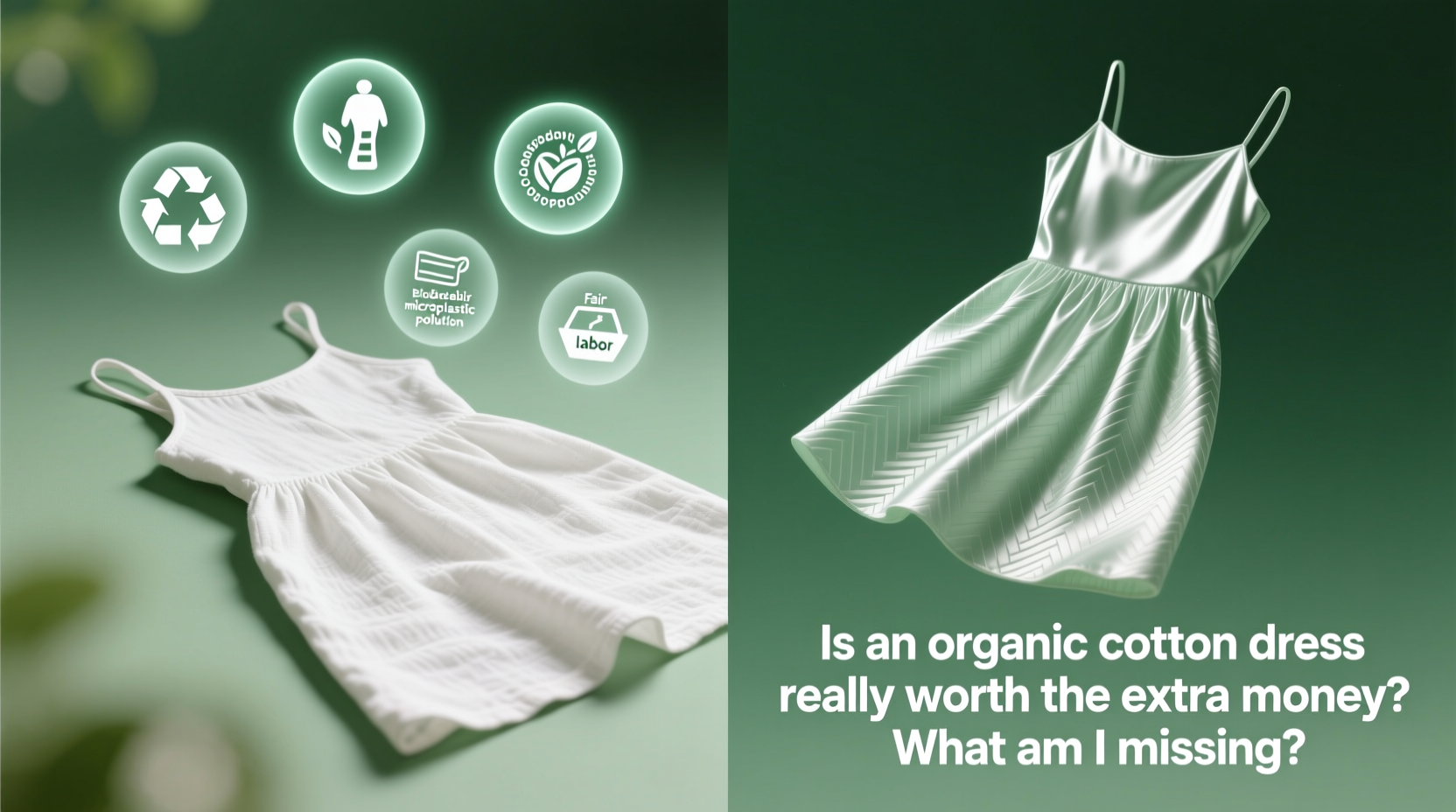
Conventional cotton dominates the fashion industry, but its affordability comes at a steep environmental and social cost. It’s one of the most pesticide-intensive crops globally. According to the Environmental Justice Foundation, conventional cotton farming uses 16% of the world’s insecticides—more than any other crop—despite occupying only 2.4% of farmland.
These chemicals pollute soil and water, harm farmworkers’ health, and contribute to biodiversity loss. In countries like India and Uzbekistan, cotton farmers face chronic exposure to toxic substances, leading to respiratory issues, skin conditions, and in severe cases, poisoning.
Moreover, conventional cotton is heavily reliant on irrigation. It takes about 2,700 liters of water to produce enough cotton for a single t-shirt—much of which comes from over-extracted rivers and aquifers. When you buy a cheap cotton dress, you’re indirectly supporting a system that depletes natural resources and exploits labor.
Tip: Look beyond the price tag. Ask: Who made this? Where did it come from? What was used to grow the fiber?What Makes Organic Cotton Different?
Organic cotton is grown without synthetic pesticides, fertilizers, or genetically modified seeds. Instead, farmers use crop rotation, composting, and natural pest control methods. This not only protects ecosystems but also improves soil health over time. Healthy soil retains water better, reducing irrigation needs by up to 91% compared to conventional cotton, according to Textile Exchange.
Certifications like GOTS (Global Organic Textile Standard) ensure that both farming and textile processing meet strict environmental and ethical criteria. For example, GOTS-certified garments must use non-toxic dyes, limit water consumption, and guarantee fair wages and safe working conditions.
From seed to stitch, organic cotton prioritizes transparency and responsibility. That traceability means you know more about your dress—not just how it looks, but how it came to be.
Environmental Impact Comparison
| Factor | Conventional Cotton | Organic Cotton |
|---|---|---|
| Pesticide Use | High – synthetic chemicals common | None – natural alternatives only |
| Water Consumption | Very high – relies on irrigation | Lower – rain-fed in many regions |
| Soil Health | Degrades over time | Improves with regenerative practices |
| Carbon Footprint | Higher due to chemical production | Up to 46% lower emissions |
| Labor Conditions | Often unregulated | Fair wages and safety required (GOTS) |
Comfort and Durability You Can Feel
Many people assume organic cotton is just a marketing label with no tangible benefit. But wear an organic cotton dress, and the difference becomes clear. Without harsh chemical residues, the fabric feels softer against the skin and is less likely to cause irritation—especially important for those with sensitive skin or allergies.
Additionally, because organic cotton fibers are less damaged during farming and processing, they tend to be stronger. This translates into longer-lasting garments that resist pilling and tearing. A well-made organic cotton dress may outlast two or three cheaper alternatives, making it more economical over time.
“Organic cotton isn’t just better for the planet—it’s designed to last. The absence of chemical degradation means the fibers retain their integrity.” — Dr. Lena Patel, Sustainable Textile Researcher, University of Leeds
Real-Life Example: One Woman’s Wardrobe Shift
Sophie, a teacher from Portland, used to buy inexpensive dresses from fast-fashion retailers. She’d replace them every few months as they faded, shrank, or tore. After learning about textile waste, she invested $120 in a GOTS-certified organic cotton wrap dress—twice the price of her usual purchases.
Three years later, the dress still fits, holds its color, and remains her go-to for both work and weekend outings. “I thought I was saving money before,” she says. “But I was actually spending more replacing clothes every season. This one dress has paid for itself.”
Her experience reflects a broader shift: when durability and ethics are factored in, organic cotton often delivers superior value.
What You Might Be Missing
If you’re skipping organic cotton for budget reasons, you might be overlooking several key benefits:
- Long-Term Savings: Higher upfront cost, but fewer replacements needed.
- Healthier Skin: No residual pesticides or formaldehyde-based softeners.
- Reduced Environmental Harm: Less pollution, water use, and carbon emissions.
- Ethical Assurance: Support for fair labor and safer farming communities.
- Timeless Style: Organic brands often focus on classic designs, avoiding trend-driven waste.
Step-by-Step Guide to Evaluating Value
- Check the Label: Look for GOTS, OEKO-TEX, or Fair Trade certifications.
- Calculate Cost Per Wear: Divide the price by how many times you’ll realistically wear it.
- Assess Fabric Quality: Feel the weight and weave—organic cotton should feel substantial and smooth.
- Research the Brand: Do they publish sustainability reports or factory information?
- Compare Longevity: Will this last one season or multiple years?
FAQ
Isn’t all cotton natural? Why does 'organic' matter?
All cotton starts as a natural fiber, but conventional farming uses synthetic chemicals that remain in the fabric and environment. Organic certification ensures no harmful inputs were used from farm to factory.
Can I find affordable organic cotton dresses?
Yes. While premium brands charge more, companies like Pact, People Tree, and Thought offer stylish organic cotton dresses between $60–$90. Sales, secondhand markets, and rental services can also reduce costs.
Does washing affect organic cotton differently?
Organic cotton responds better to gentle care. Avoid hot water and dryers, which can shrink or weaken fibers. Cold washes and air drying preserve softness and shape longer.
Final Thoughts: Is It Worth It?
An organic cotton dress isn’t just clothing—it’s a choice. You’re choosing cleaner water, safer farms, healthier skin, and clothes that last. Yes, the initial cost is higher. But when you factor in durability, comfort, and conscience, the math changes.
You’re not missing a bargain by paying more. You’re gaining peace of mind, quality, and a quieter footprint on the planet. And over time, that adds up to more than savings—it adds up to meaning.
💬 Have you made the switch to organic cotton? Share your experience or favorite brands in the comments—your insight could help someone make a more informed choice today.








