FoxBox watches have gained popularity for their rugged design, smart functionality, and advertised water resistance. However, understanding what \"waterproof\" truly means—and confirming whether your watch lives up to its claims—is essential before exposing it to moisture. Many users assume their watch can handle swimming or diving based on marketing terms, only to discover internal damage later. This guide walks you through actionable steps to verify your FoxBox watch’s actual waterproof capabilities, interpret technical ratings correctly, and perform safe real-world checks without risking permanent damage.
Understanding Water Resistance vs. Waterproofing
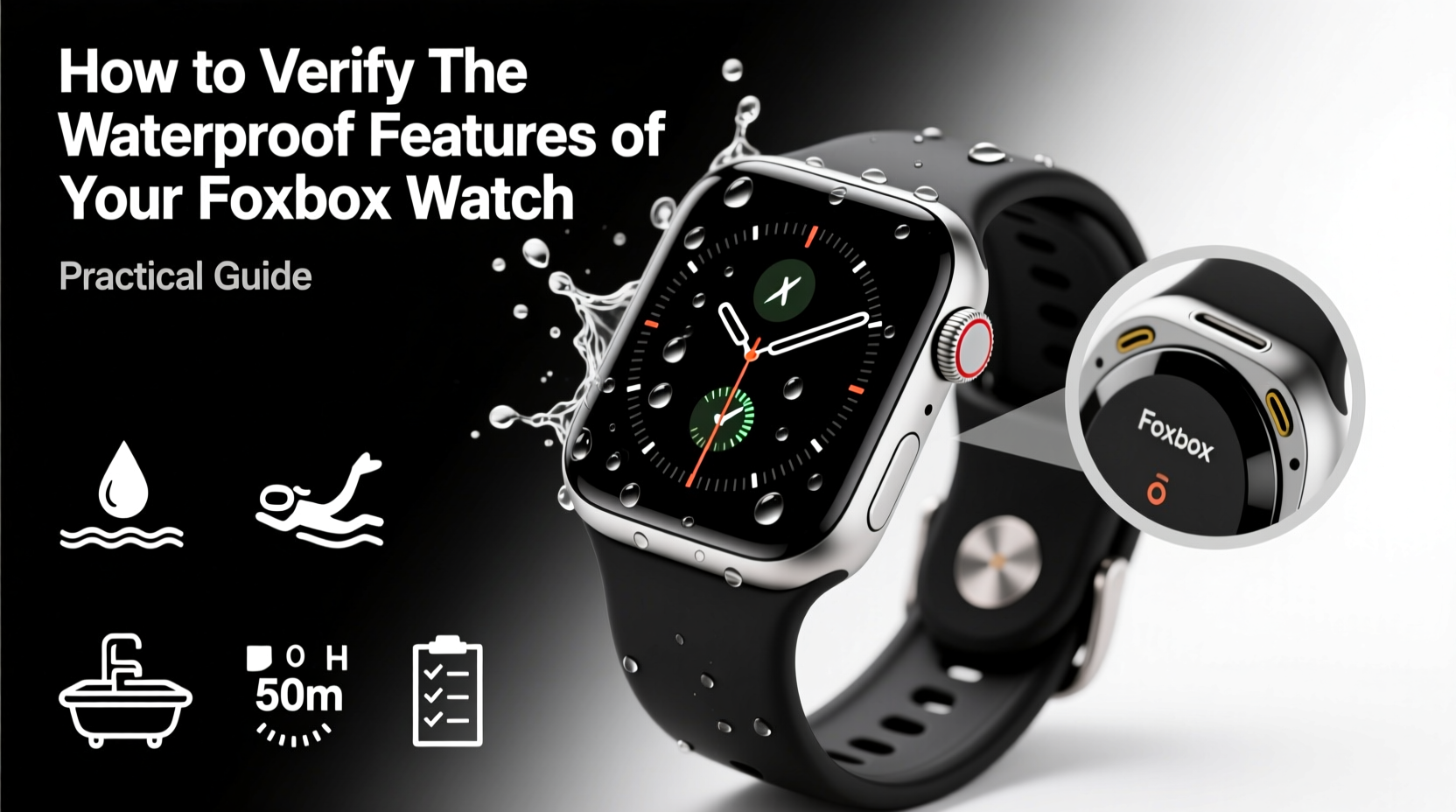
The term “waterproof” is often misused in consumer electronics. No watch is completely impervious to water under all conditions. Instead, manufacturers use the term “water resistant” with specific ATM (atmospheres) or meter ratings indicating pressure tolerance. FoxBox typically labels models with ratings like 5ATM, 10ATM, or IP68, but these numbers require context.
For example, a 5ATM rating suggests resistance up to 50 meters of static pressure—ideal for swimming but not deep diving. Real-world movement increases pressure, so even splashes during vigorous activity can exceed rated limits. Misinterpreting these values leads to avoidable failures.
“Water resistance isn’t a permanent feature—it degrades over time due to gasket wear, impacts, and temperature changes.” — Lars Mendez, Watch Engineering Consultant
Step-by-Step: How to Verify Your FoxBox Watch's Water Resistance
Before submerging your watch, follow this structured verification process. These steps help assess both factory specifications and current physical condition.
- Check the Model Specifications: Locate your FoxBox model number (usually on the back case or in settings). Visit the official FoxBox website and confirm its certified water resistance rating. Note whether it includes protection against chlorinated water, saltwater, or high-pressure jets.
- Inspect Physical Seals: Examine the crown (if present), buttons, and case back for gaps, cracks, or debris. The rubber gaskets inside these components create seals that prevent water ingress. If they appear dried out or damaged, water resistance is compromised.
- Avoid Temperature Extremes: Never test your watch in hot showers, saunas, or steam rooms. Heat expands materials, breaking temporary seals. Even a highly rated watch can fail under thermal stress.
- Conduct a Condensation Check: After wearing the watch in humid environments or light rain, remove it and look for fogging under the crystal. Persistent condensation indicates a breach in sealing.
- Perform a Shallow Immersion Test: Fill a bowl with room-temperature water 10–15 cm deep. Submerge the watch for 10 minutes at most, ensuring it remains face-up. Dry thoroughly afterward and monitor for moisture inside over the next 24 hours.
Do’s and Don’ts When Testing Water Resistance
| Do’s | Don’ts |
|---|---|
| Verify the exact model’s rating before testing | Assume all FoxBox watches are swim-proof |
| Rinse with fresh water after saltwater exposure | Press buttons underwater unless explicitly rated for it |
| Use a magnifying glass to inspect seal integrity | Drop the watch—impacts weaken gaskets |
| Test in still, shallow water first | Expose to soaps, shampoos, or perfumes while wet |
| Service every 18–24 months if frequently exposed to water | Ignore signs of internal fogging or discoloration |
Real Example: A Hiker’s Experience with His FoxBox Adventure Pro
Mark, an avid hiker from Colorado, relied on his FoxBox Adventure Pro during multi-day treks involving river crossings and sudden downpours. Confident in its 10ATM rating, he wore it daily for two years without formal inspection. During a backpacking trip, after fording a fast-moving stream, he noticed slight fogging beneath the screen. He ignored it initially, but within weeks, touchscreen responsiveness declined and internal corrosion became visible.
Upon visiting an authorized service center, Mark learned that repeated thermal shocks—from cold mountain streams to warm pockets—had degraded the gaskets. Though the original rating allowed for swimming, frequent transitional stresses reduced long-term resilience. The technician emphasized that regular visual checks and periodic professional pressure testing could have prevented failure.
This case illustrates that even robustly rated devices demand proactive maintenance when used in dynamic environments.
When to Seek Professional Verification
While home assessments offer preliminary insights, only professional equipment delivers accurate results. Authorized FoxBox service centers use vacuum testers that detect minute leaks by measuring air flow changes around the case. This non-invasive method confirms seal integrity without water exposure.
If your watch has been dropped, exposed to chemicals, or shows any sign of moisture ingress, skip DIY tests entirely. Schedule a diagnostic check instead. Most manufacturers void warranties if water damage occurs post-repair or modification, making early detection critical.
Tip: Keep your purchase receipt and service records. They’re often required for warranty validation related to water resistance claims.Frequently Asked Questions
Can I swim with my FoxBox Active+ model?
The FoxBox Active+ carries a 5ATM rating, meaning it can withstand pressures equivalent to 50 meters of depth under static conditions. It is suitable for surface swimming in pools or calm waters but not recommended for diving, snorkeling, or high-speed water sports. Avoid pressing controls underwater to prevent forced water entry.
Does water resistance wear off over time?
Yes. Rubber gaskets degrade due to UV exposure, temperature fluctuations, and natural aging. Even without visible damage, seals may lose elasticity after 18–24 months. Regular servicing restores protection and ensures continued reliability.
What should I do if water gets inside my watch?
Immediately power off the device (if applicable), remove it from moisture, and dry the exterior. Do not charge or operate it. Place it in a sealed container with silica gel packets for 24–48 hours. If moisture persists, consult a professional. Delayed action risks short circuits and permanent display damage.
Final Checklist: Verifying Your FoxBox Watch’s Waterproof Status
- ✅ Confirm the model-specific water resistance rating on the official FoxBox site
- ✅ Inspect the crown, buttons, and case seams for debris or damage
- ✅ Look for fogging or droplets under the screen or bezel
- ✅ Perform a brief, controlled immersion test in shallow, room-temperature water
- ✅ Dry completely and monitor for 24 hours post-test
- ✅ Schedule professional pressure testing annually if used regularly in wet conditions
Conclusion
Your FoxBox watch is designed to handle life’s unpredictable moments—but only within defined limits. True confidence comes not from trusting marketing labels, but from verifying performance through informed checks and consistent care. By understanding ratings, inspecting seals, avoiding common pitfalls, and seeking expert validation when needed, you protect both function and longevity. Don’t wait for condensation to appear. Take action today: inspect your watch, review its specs, and ensure it’s ready for whatever environment you take it into.
💬 Have you tested your FoxBox watch in water? Share your experience or questions below—your insight could help others make smarter decisions!