Fashion has long been constrained by rigid categories—men’s wear, women’s wear, and little room in between. But as cultural understanding of gender evolves, so does the way we dress. More people are embracing gender-neutral style not as a trend, but as an expression of identity, comfort, and authenticity. The goal isn’t to erase individuality, but to expand it. Styling a gender-neutral outfit that feels both true to yourself and empowering requires intention, self-awareness, and a shift away from traditional fashion rules.
This approach isn’t about wearing oversized silhouettes or sticking to black and gray. It’s about curating clothing that transcends labels, prioritizes personal expression, and fosters confidence. Whether you’re exploring your gender identity, simplifying your wardrobe, or rejecting outdated norms, building a gender-neutral closet can be deeply liberating.
Understanding Gender-Neutral Style Beyond Aesthetics
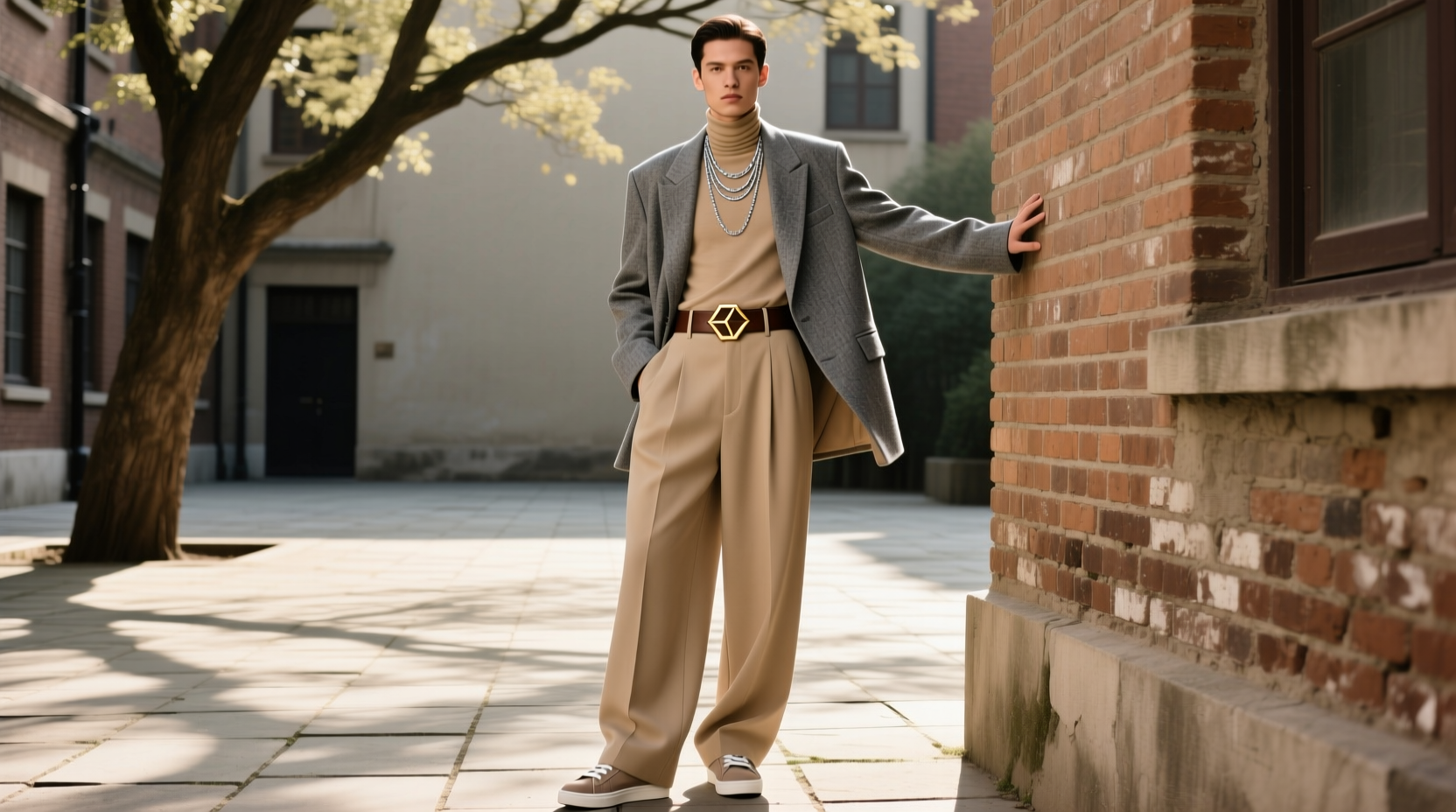
Gender-neutral fashion is often misunderstood as simply “androgynous” or “unisex.” But it’s more nuanced than blending masculine and feminine traits. At its core, it’s about freedom: freedom from prescribed roles, expectations, and limitations tied to appearance. A truly gender-neutral outfit doesn’t aim to make someone look “like a man” or “like a woman”—it allows them to look like themselves.
This kind of styling centers on function, fit, and feeling. It asks questions like: Does this piece serve my lifestyle? Do I feel grounded when I wear it? Can I move freely, think clearly, and show up without distraction? These are markers of authenticity, not just aesthetics.
“Clothing becomes powerful when it stops being a costume and starts being a container for who you are.” — Kai Chen, Inclusive Fashion Designer
Authenticity in dressing means aligning your outer presentation with your inner sense of self. For many nonbinary, genderqueer, agender, or questioning individuals, this alignment is essential to mental well-being. But even cisgender people benefit from breaking free of restrictive fashion norms. Confidence grows when what you wear reflects your values—not societal scripts.
Building a Foundation: Wardrobe Essentials That Transcend Gender
The first step in creating gender-neutral outfits is assembling a versatile base. These are pieces that don’t carry strong gendered connotations and can be mixed and matched across seasons and occasions. Focus on quality, cut, and adaptability.
| Item | Why It Works | Styling Tip |
|---|---|---|
| Tailored Trousers | Clean lines, structured yet comfortable; works with shirts, sweaters, or tees | Roll cuffs slightly for a relaxed vibe |
| Oversized Button-Up Shirt | Can be worn loose, tucked, layered, or knotted; available in diverse fabrics | Try layering over a turtleneck in cooler months |
| Relaxed Denim | Timeless and adaptable; straight-leg or wide-cut avoids gendered fits | Pair with chunky boots or minimalist sneakers |
| Minimalist Sneakers | Comfortable, modern, and widely accepted across genders | Stick to neutral tones like white, gray, or black |
| Structured Jacket (e.g., chore coat, blazer, field jacket) | Adds definition without conforming to suit conventions | Layer over hoodies for contrast in texture and formality |
Avoid items that rely heavily on gendered detailing—such as lace trims, exaggerated shoulder pads, or ultra-sheer fabrics—unless they resonate with your personal taste. The idea is not to eliminate femininity or masculinity entirely, but to choose elements intentionally rather than out of obligation.
Tip: When shopping, focus on fit and fabric instead of the section the item is labeled under. A \"women’s\" cotton poplin shirt may fit better and feel more authentic than one from the \"men’s\" aisle.Creating Cohesive Outfits: A Step-by-Step Guide
Putting together a gender-neutral outfit doesn’t require reinventing the wheel. Use a repeatable process to build combinations that feel balanced and intentional.
- Start with a Base Layer: Choose a simple top—a crewneck tee, tank, or lightweight sweater. Opt for solid colors or subtle patterns like pinstripes or micro-checks.
- Add Structure: Introduce a mid-layer such as a button-up, cardigan, or vest. This adds visual interest and dimension without overwhelming the silhouette.
- Pick Bottoms with Intention: Select pants based on proportion. If your top is looser, balance it with slimmer or tailored trousers. If both are relaxed, ensure the fabric differs in weight or texture.
- Choose Footwear Strategically: Shoes ground the look. Chunky boots add edge, loafers bring polish, and clean sneakers keep things casual and accessible.
- Accessorize Minimally: Use accessories to personalize, not define. A beanie, watch, crossbody bag, or single earring can speak volumes without conforming to gendered norms.
- Check the Mirror Honestly: Ask: Do I feel like myself? Can I sit, walk, and gesture comfortably? Does anything feel performative?
This method prioritizes coherence over conformity. It’s not about hiding or erasing—it’s about constructing a look that supports your presence.
Real Example: Jamie’s Transition to Authentic Dressing
Jamie, a 28-year-old librarian from Portland, spent years dressing in ways that felt safe but stifling. Assigned female at birth, they were expected to wear dresses and heels to work events. Over time, discomfort turned into anxiety. After coming out as nonbinary, Jamie began rethinking their wardrobe—not to look “neutral,” but to feel seen.
They started small: swapping pencil skirts for high-waisted, straight-leg trousers. Then replaced blouses with boxy cotton shirts in earth tones. They invested in a pair of oxford shoes that fit their wide feet and added a structured olive chore coat for winter.
The change wasn’t just visual. “I noticed I stood taller in meetings,” Jamie said. “I wasn’t thinking about how my clothes were fitting or if someone was staring. I could just… be there.” Their coworkers didn’t comment much—just remarked that they seemed “more like themselves.”
Jamie’s journey shows that gender-neutral style isn’t about rejection—it’s about resonance. Every piece they chose served a purpose: comfort, durability, self-expression. The result wasn’t invisibility, but clarity.
Common Pitfalls and How to Avoid Them
Even with good intentions, it’s easy to fall into habits that undermine authenticity. Awareness helps prevent these missteps:
- Mimicking Instead of Expressing: Copying influencers or celebrities without considering your own body, lifestyle, or preferences leads to dissonance.
- Over-Correcting: Some try so hard to appear “neutral” that they eliminate all color, pattern, or softness—mistaking minimalism for neutrality.
- Neglecting Fit: Wearing oversized clothes under the assumption that “loose = neutral” can backfire. Ill-fitting garments often draw more attention than well-tailored ones.
- Ignoring Context: A look that works at a gallery opening might not suit a construction site. Adapt your style to your environment without sacrificing integrity.
“Neutrality isn’t blandness. It’s precision. It’s wearing exactly what you need, nothing more, nothing less.” — Lena Park, Style Consultant for Nonbinary Clients
Checklist: Building Your Authentic Gender-Neutral Wardrobe
Use this checklist to assess and refine your approach:
- ✅ Audit your current wardrobe: Identify pieces that make you feel confident versus those that feel obligatory.
- ✅ Define your style values: Is it comfort? Sustainability? Simplicity? Let these guide purchases.
- ✅ Prioritize versatile neutrals: Build around a palette of beige, navy, charcoal, olive, and white.
- ✅ Experiment with proportions: Try layering different lengths and volumes to discover what flatters your shape.
- ✅ Shop secondhand or from inclusive brands: Many vintage pieces predate strict gender divisions; newer brands like Telfar, Phluid Project, and Wildfang design with fluidity in mind.
- ✅ Tailor when needed: A simple hem or taper can transform a garment into something uniquely yours.
- ✅ Track how you feel: Keep a short journal note after wearing new combinations—did you feel present? Comfortable? Free?
Frequently Asked Questions
Isn’t gender-neutral fashion just for nonbinary people?
No. While it holds particular significance for nonbinary, gender-nonconforming, and transgender individuals, anyone can benefit from a wardrobe that isn’t limited by gender. Cisgender people also face pressure to conform to masculine or feminine ideals. Choosing gender-neutral clothing is an act of liberation, not identity restriction.
How do I handle reactions from others when my style doesn’t fit expectations?
Reactions vary, and some discomfort may arise—especially in conservative environments. Prepare simple, calm responses like, “This is what feels right for me,” or “I like how it fits.” Over time, consistent presentation often normalizes differences. Seek supportive communities, both online and offline, to reinforce your confidence.
Can I include traditionally “feminine” or “masculine” items in a gender-neutral look?
Absolutely. A silk scarf, pearl earring, or tailored suit can all be part of a gender-neutral aesthetic if worn with intention. The key is reclaiming these items from rigid associations. You’re not wearing a dress “like a woman”—you’re wearing a dress because you love its drape, color, or ease.
Conclusion: Style as an Act of Self-Trust
Styling a gender-neutral outfit that feels authentic and confident isn’t about following rules—it’s about unlearning them. It’s about listening closely to your body, honoring your history, and daring to show up as you are. True style emerges not from external validation, but from internal alignment.
Every choice—from the cut of your collar to the weight of your boots—can be a quiet affirmation: I exist. I belong. I decide. That’s the power of fashion when it’s freed from boxes and binaries.
💬 Your style journey matters. Share your story, post your looks, or simply wear what makes you breathe easier today. In doing so, you’re not just dressing—you’re defining what freedom looks like.








