
Static cling is one of the most frustrating wardrobe issues that intensifies during the colder months. As indoor heating systems reduce humidity and synthetic fabrics rub against each other, static electricity builds up—resulting in clothes that stick uncomfortably to your body, crackle when touched, or even cause minor electric shocks. While it might seem like a small annoyance, persistent static can disrupt your confidence and comfort throughout the day. The good news: with the right understanding and practical strategies, static cling is entirely preventable. This guide breaks down the science behind static buildup and delivers proven, easy-to-implement solutions for keeping your clothes smooth, grounded, and shock-free all winter long.
The Science Behind Winter Static Cling
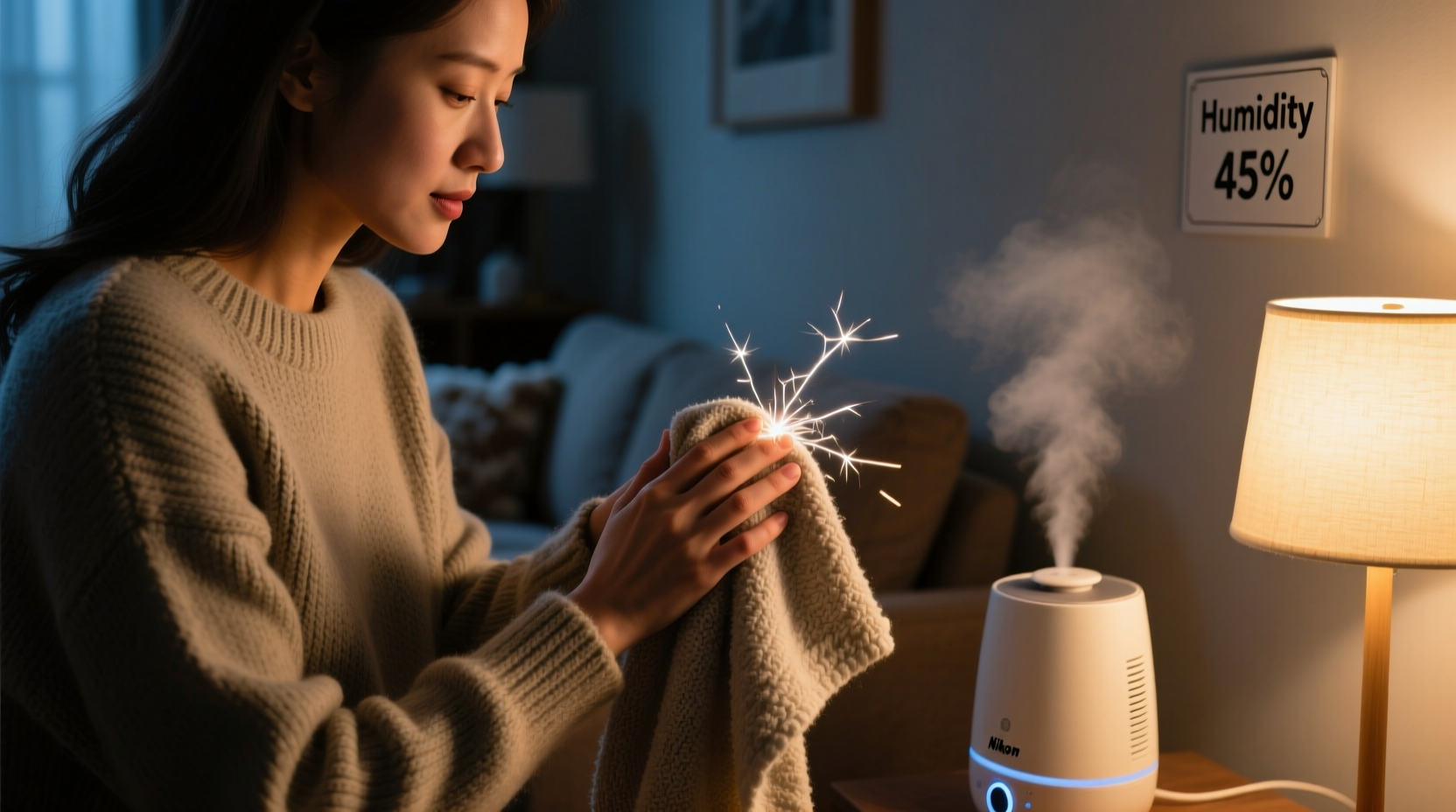
Static electricity occurs when two materials rub together and transfer electrons, creating an imbalance of electrical charge. In clothing, this commonly happens between synthetic fibers like polyester, nylon, or acrylic and drier air. During winter, indoor humidity levels often drop below 30%, far below the ideal 40–60% range. Dry air lacks moisture, which normally helps dissipate electric charges. Without this natural conductor, static builds up on fabrics and discharges when you touch a conductive surface—like a doorknob or another person.
Synthetic fabrics are especially prone to static because they are insulators—they don’t allow electrons to flow easily, so the charge remains trapped. Natural fibers like cotton, wool, and linen are less likely to generate static, but even blends can become problematic in low-humidity environments. Understanding this mechanism is the first step toward controlling it.
“Low humidity is the primary driver of static issues in winter. When relative humidity drops below 35%, static problems increase exponentially.” — Dr. Alan Pierce, Environmental Physicist at the National Textile Research Institute
Immediate Fixes for Static Cling (On-the-Spot Solutions)
Sometimes you need a quick fix—especially when you're already dressed and heading out the door. These immediate remedies are simple, require no special tools, and use items you likely already have at home.
- Use a metal hanger: Gently slide a metal coat hanger over the inside of the garment. Metal conducts electricity and safely discharges built-up static.
- Dampen your hands: Lightly wet your fingers and smooth them over the clinging fabric. The moisture neutralizes the charge.
- Apply hand lotion: Rub a small amount of unscented lotion onto your legs before putting on skirts or tights. This adds moisture and reduces friction.
- Carry a safety pin: Attach a small safety pin to the inside seam of a skirt or dress. The metal subtly grounds the fabric as you move.
- Use a dryer sheet: Rub a used dryer sheet over the affected area. The anti-static chemicals transfer to the fabric and neutralize the charge.
Preventative Strategies for Your Laundry Routine
Addressing static begins long before you get dressed. Modifying your laundry process can dramatically reduce static buildup from the moment clothes come out of the dryer.
1. Adjust Drying Techniques
Over-drying is a major contributor to static. When clothes are dried beyond their moisture threshold, fibers become brittle and more prone to electron transfer. Remove garments while they’re still slightly damp, especially synthetic blends.
2. Use Wool Dryer Balls
Wool dryer balls help separate clothes during the drying cycle, improving airflow and reducing drying time. They also absorb a small amount of moisture, which helps minimize static. Add 3–6 balls per load for best results.
3. Reduce or Replace Dryer Sheets
While conventional dryer sheets contain cationic surfactants that reduce static, they can leave residues on fabrics and dryers over time. Consider switching to reusable silicone dryer sheets or making your own by soaking small cloth squares in a mix of water and white vinegar.
4. Add Vinegar to the Rinse Cycle
White vinegar acts as a natural fabric softener and pH balancer. Adding half a cup to the rinse cycle helps remove detergent residue, which can contribute to static. It also leaves fabrics softer and less prone to clinging.
5. Air-Dry When Possible
Airing clothes indoors or in a garage preserves fabric integrity and eliminates the high heat that exacerbates static. Hang delicate synthetics and blends to dry naturally whenever feasible.
“Vinegar is underrated in laundry care. It’s not just for cleaning—it actually conditions fibers and reduces electrostatic potential in fabrics.” — Maria Tran, Sustainable Textile Consultant
Home Environment Adjustments
Your home’s atmosphere plays a crucial role in static control. Since dry air is the root cause, increasing indoor humidity is one of the most effective long-term solutions.
Use a Humidifier
Running a humidifier in frequently used rooms—especially bedrooms and living areas—can raise humidity to optimal levels. Aim for 40–50% relative humidity. Digital hygrometers, available for under $15, help monitor levels accurately.
Place Water Bowls Near Heat Sources
If you don’t have a humidifier, place shallow bowls of water near radiators or heating vents. As the water evaporates, it adds moisture to the air. Adding slices of citrus or essential oils can provide a pleasant scent.
Limit Synthetic Rugs and Upholstery
Carpets made from nylon or olefin generate static when walked on, especially with rubber-soled shoes. Opt for natural fiber rugs like wool or cotton in high-traffic areas. Leather or fabric-covered furniture also reduces static compared to vinyl or plastic surfaces.
| Factor | Contributes to Static? | Solution |
|---|---|---|
| Indoor humidity below 35% | Yes | Use a humidifier; aim for 40–50% |
| Over-dried clothes | Yes | Remove clothes while slightly damp |
| Synthetic clothing | Yes | Mix with natural fibers; treat with anti-static spray |
| Rubber-soled shoes | Yes | Switch to leather soles or go barefoot indoors |
| Plastic combs/brushes | Yes | Use wooden or metal alternatives |
Choosing the Right Fabrics and Garments
Fabric selection is a proactive way to combat static. While you may not want to overhaul your entire wardrobe, being mindful of material composition can make a big difference.
Natural fibers such as cotton, silk, linen, and bamboo are inherently less prone to static because they retain moisture better than synthetics. Wool, though natural, can generate static in very dry conditions due to its scaly fiber structure, so layering it with cotton can help.
When purchasing new clothing, check labels for high synthetic content. Blends with at least 50% natural fiber tend to perform better in winter. Look for terms like “anti-static” or “moisture-wicking” in activewear, which often includes conductive threads to manage static.
Tip: Layer a cotton undershirt beneath a polyester sweater to create a moisture barrier and reduce static transfer.Real-Life Example: Office Worker’s Static Solution
Jamie, a marketing professional in Chicago, struggled every winter with her wool-blend skirt clinging to her tights. After standing up from her desk, the skirt would wrap tightly around her legs, requiring constant readjustment. She tried dryer sheets with limited success. Then she added a small ultrasonic humidifier to her office and began using wool dryer balls at home. Within a week, the issue disappeared. She also switched to a cotton-lined shapewear instead of nylon, which further reduced friction. Her routine now includes wiping her chair with a damp cloth weekly to prevent charge buildup—a simple habit that makes a noticeable difference.
Step-by-Step Guide to a Static-Free Winter Wardrobe
Follow this comprehensive plan to eliminate static cling from your daily life:
- Assess your environment: Use a hygrometer to measure indoor humidity. If below 40%, invest in a humidifier.
- Sort laundry by fabric type: Separate synthetics from natural fibers to optimize drying settings.
- Modify wash cycles: Use cold water and add ½ cup white vinegar to the rinse cycle.
- Adjust drying: Tumble dry on low heat and remove clothes while slightly damp. Use wool dryer balls.
- Treat garments post-dry: Lightly mist synthetic fabrics with water or a DIY anti-static spray (1 part fabric softener to 30 parts water).
- Choose footwear wisely: Wear leather-soled shoes or go barefoot indoors to prevent charge accumulation.
- Moisturize skin: Apply lotion after showers and before dressing to reduce personal conductivity issues.
- Carry emergency tools: Keep a metal hanger, dryer sheet, or travel moisturizer in your bag for quick fixes.
FAQ: Common Questions About Static Cling
Why does static cling happen more in winter?
Winter air is drier due to indoor heating, which lowers humidity. Dry air cannot conduct electricity effectively, allowing static charges to build up on fabrics and discharge suddenly.
Can I make my own anti-static spray?
Yes. Mix one tablespoon of liquid fabric softener with one cup of water in a spray bottle. Lightly mist the inside of garments—avoid over-spraying to prevent staining. Shake well before each use.
Are certain shoes worse for static?
Rubber-soled shoes are insulators and trap electrical charge as you walk, especially on carpet. Leather soles or conductive shoe straps can help ground the charge and reduce shocks.
Final Checklist: Your Anti-Static Action Plan
- ✅ Measure indoor humidity and use a humidifier if needed
- ✅ Switch to wool dryer balls or reusable dryer sheets
- ✅ Add white vinegar to the rinse cycle
- ✅ Avoid over-drying clothes
- ✅ Choose clothing with higher natural fiber content
- ✅ Moisturize skin regularly, especially before dressing
- ✅ Carry a metal hanger or safety pin for on-the-go fixes
- ✅ Use a DIY anti-static spray for problem garments
Take Control of Your Comfort This Winter
Static cling doesn’t have to be an inevitable winter nuisance. By understanding the environmental and material factors at play, you can take targeted steps to eliminate static at every stage—from laundry to dressing to daily movement. Small changes in your routine, like adjusting dryer settings or using a humidifier, yield significant improvements in comfort and confidence. You don’t need expensive products or complicated systems. What you need is consistency and awareness. Start implementing these strategies today, and experience a smoother, quieter, and more comfortable winter wardrobe.
💬 Have a favorite static-fighting trick? Share your tip in the comments and help others stay shock-free this season!








