Purchasing a micro inlaid zirconia bracelet is more than a fashion decision—it’s an investment in craftsmanship and elegance. These delicate pieces feature precisely set cubic zirconia stones embedded directly into metal, creating a seamless, luxurious appearance. However, the rising popularity of these designs has led to a surge in counterfeit versions that mimic the look but lack durability, value, and precision. Knowing how to distinguish authentic pieces from imitations ensures you receive what you pay for: lasting beauty and superior quality.
Understanding Micro Inlay Technology
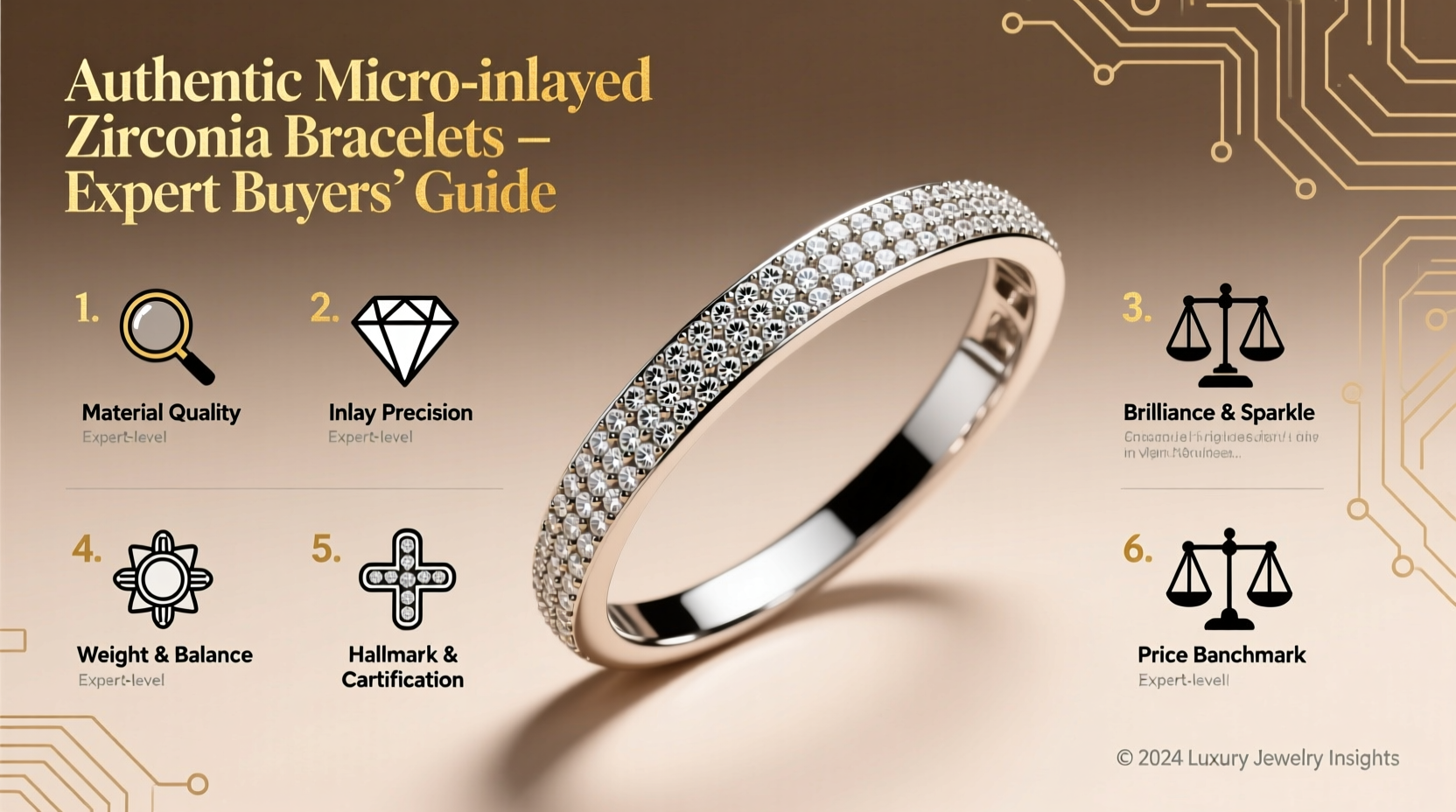
Micro inlay, also known as micro-pavé or flush setting, involves embedding tiny zirconia stones into grooves carved directly into the metal surface—typically sterling silver, gold vermeil, or stainless steel. Unlike prong or bezel settings, where stones protrude, micro inlaid stones sit level with the surface, resulting in a smooth, refined finish that resists snagging and wear.
The process demands advanced tools and skilled artisans. Each stone is individually placed using precision instruments under magnification, then secured by gently pushing the surrounding metal over the girdle of the stone. This method requires consistency in depth, alignment, and pressure—mistakes are immediately visible under close inspection.
“True micro inlay work is not mass-produced. It takes hours of handwork by trained craftsmen who understand gem-setting physics.” — Lena Torres, Master Jewelry Artisan, 20+ years in fine jewelry manufacturing
Key Indicators of Authenticity
Spotting a real micro inlaid zirconia bracelet starts with examining specific physical and structural traits. Counterfeit versions often cut corners on materials, setting technique, and finishing. Here are the critical signs to evaluate:
- Uniform Stone Alignment: Genuine pieces exhibit perfectly aligned stones with consistent spacing and depth. Gaps, crooked placements, or uneven heights signal poor craftsmanship or machine stamping.
- Smooth Surface Texture: The top of each stone should be flush with the metal. Run a fingernail across the surface—if it catches, the setting is likely fake or poorly executed.
- High-Quality Metal Base: Authentic bracelets use premium metals like 925 sterling silver, 14K gold-filled, or surgical-grade stainless steel. Lightweight, magnetic, or tarnish-prone materials indicate low-grade alloys.
- Clarity and Sparkle of Stones: Real cubic zirconia (CZ) stones have high refractive index and brilliance. Dull, cloudy, or overly bright plastic-like shine may mean inferior CZ or glass substitutes.
- Intricate Engravings or Hallmarks: Look for stamps such as “925,” “14K GF,” or maker’s marks. These are usually laser-inscribed near the clasp or inside the band.
Step-by-Step Verification Process
Before making a purchase—whether online or in-store—follow this systematic approach to verify authenticity:
- Examine Under Magnification: Inspect the bracelet under bright light with a magnifying glass. Check for evenness in stone placement and metal compression around each stone.
- Assess Weight and Feel: Authentic metal feels substantial. A lightweight piece likely uses base metal or hollow construction.
- Test for Magnetism: Hold a small magnet near the bracelet. If it attracts, the metal contains iron—a red flag for non-precious alloys.
- Check for Certification: Reputable sellers provide third-party verification or lab reports, especially for higher-priced items.
- Evaluate Craftsmanship Consistency: Rotate the bracelet slowly. Any variation in sparkle, color, or texture suggests inconsistent quality control.
- Review Return Policy & Seller Reputation: Trusted vendors offer clear return terms and have verified customer reviews discussing product authenticity.
Do’s and Don’ts When Buying Micro Inlaid Zirconia Bracelets
| Do’s | Don’ts |
|---|---|
| Buy from jewelers with transparent sourcing and craftsmanship details | Avoid sellers with stock photos only and no close-up images |
| Ask for material certification or hallmark confirmation | Don’t trust claims like “diamond-like” without specification |
| Compare prices across reputable brands—extremely low prices are suspicious | Don’t assume “handmade” means high quality without evidence |
| Clean gently with a soft cloth and mild soap solution | Never soak in chemicals or ultrasonic cleaners unless confirmed safe |
Real-World Example: A Buyer’s Close Call
Sophie, a jewelry enthusiast from Portland, ordered a micro inlaid zirconia bracelet advertised as “premium 925 silver with AAA-grade stones” from an online marketplace. Upon arrival, she noticed the stones had slight height variations and some were loose when lightly pressed. Using a jeweler’s loupe, she spotted visible adhesive around several stones—an instant sign of glue-based imitation, not true micro inlay. She contacted the seller, who refused a return. After filing a dispute through her payment provider, she recovered her funds but learned a crucial lesson: always inspect craftsmanship before accepting delivery.
When she later purchased from a certified artisan brand with video proof of the setting process and included a certificate of authenticity, the difference was unmistakable. The new bracelet had flawless symmetry, rich luster, and a weight that conveyed quality.
Expert Tips for Long-Term Care and Value Preservation
An authentic micro inlaid zirconia bracelet can last decades with proper care. Because the stones are flush-set, they’re less prone to snagging, but still vulnerable to impact and chemical exposure.
Tip: Remove your bracelet before swimming, cleaning, or applying lotions. Chlorine and acids can erode metal and dull stone surfaces over time.- Store separately in a soft pouch to avoid scratches from harder jewelry.
- Clean monthly with lukewarm water, mild dish soap, and a soft-bristle toothbrush. Rinse thoroughly and dry with a lint-free cloth.
- Have the piece professionally inspected every 1–2 years to check for loosened stones or metal wear.
Frequently Asked Questions
Are micro inlaid zirconia bracelets worth the investment?
Yes, if they are authentically crafted. High-quality micro inlaid bracelets combine aesthetic sophistication with durability. While not as valuable as diamond-set pieces, they offer luxury appeal at a fraction of the cost and can retain sentimental and functional value for many years.
How can I tell if the stones are cubic zirconia or real diamonds?
Cubic zirconia is lab-created and typically more brilliant than diamonds but softer and less expensive. Under magnification, CZ may show more internal rainbow flashes (dispersion), while diamonds have subtler fire. Only a professional gemologist or testing device can confirm definitively. Most micro inlaid pieces use CZ due to cost and availability.
Can micro inlaid bracelets be resized or repaired?
Resizing is challenging because altering the band can damage the stone setting. Repairs should only be done by specialists experienced in micro inlay techniques. Attempting DIY fixes risks dislodging multiple stones.
Final Checklist Before You Buy
Use this concise checklist to ensure you're purchasing an authentic micro inlaid zirconia bracelet:
- ✅ Stones are flush with the metal surface and uniformly spaced
- ✅ No visible glue or residue around stones
- ✅ Hallmark present (e.g., 925, 14K, etc.)
- ✅ Substantial weight for its size
- ✅ Comes with documentation or certification
- ✅ Seller has verifiable reputation and responsive customer service
- ✅ Offers a clear return policy
Conclusion: Make Informed Choices with Confidence
Authentic micro inlaid zirconia bracelets represent the intersection of artistry and precision engineering. They are not merely accessories but wearable expressions of meticulous craftsmanship. By learning to recognize the hallmarks of genuine workmanship—uniform settings, quality materials, and trusted provenance—you protect yourself from misleading marketing and subpar products.
Your next elegant bracelet shouldn’t come with hidden compromises. Arm yourself with knowledge, inspect closely, and choose sellers who honor transparency and skill. When you find the real thing, you’ll own more than jewelry—you’ll own a piece built to endure and inspire.
💬 Have you encountered a counterfeit or discovered a trusted brand? Share your experience in the comments to help others make smarter, more confident purchases.