Indoor plants bring life, color, and calm to our homes, but even the most attentive plant owners occasionally face the challenge of a struggling green companion. When leaves turn brown, stems droop, or soil pulls away from the pot, it’s often a sign that something’s off—usually involving water. Whether you’ve been absent-minded during vacation or overzealous with the watering can, both underwatering and overwatering can leave your plants in distress. The good news? Most dry or wilted houseplants can be revived with the right diagnosis and timely action.
Reviving a plant isn’t about magic—it’s about understanding its needs, correcting imbalances, and giving it time to recover. This guide walks through the signs, causes, and precise steps to nurse your indoor plants back to health, whether they’re parched or drowning.
Understanding the Signs: Underwatering vs. Overwatering
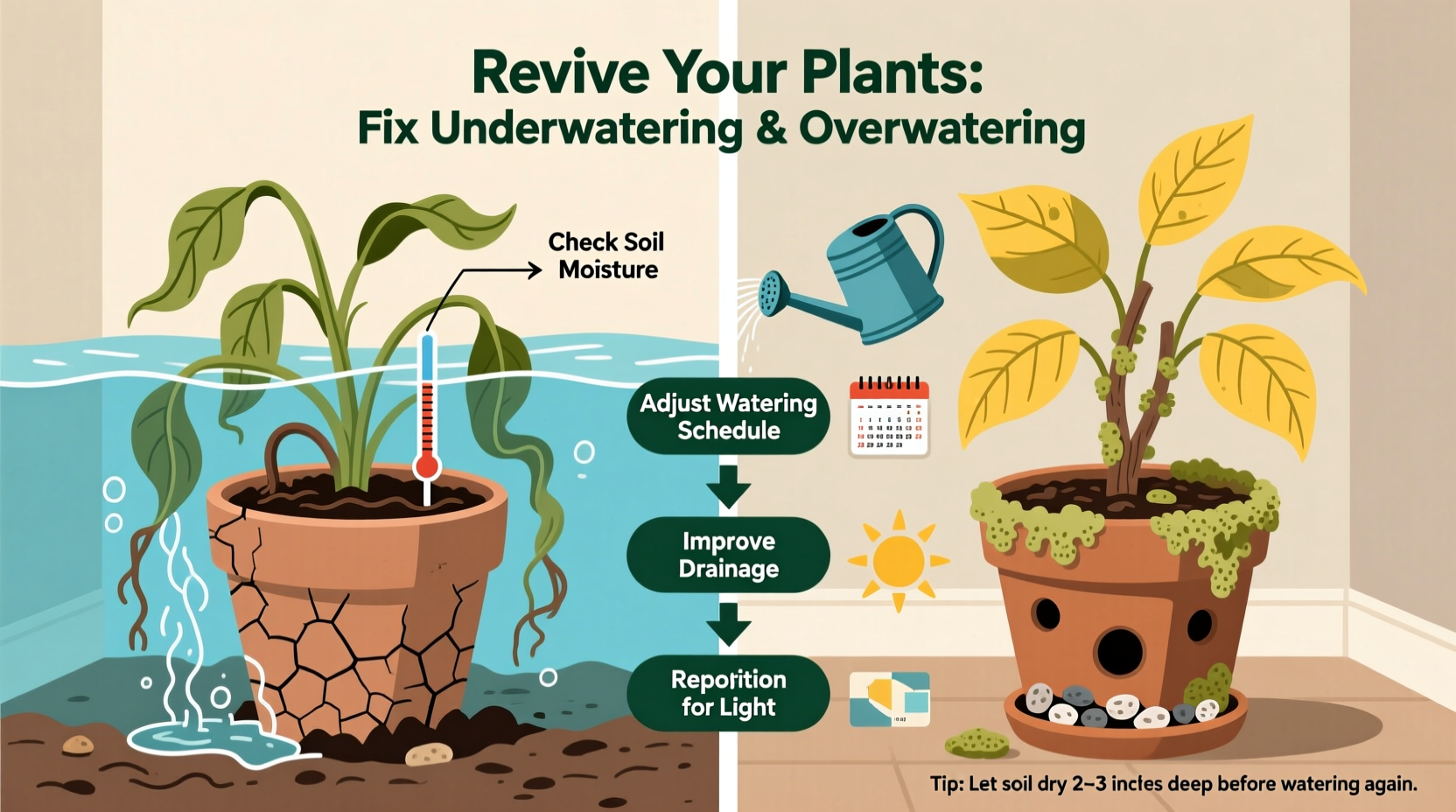
The first step in reviving a dry indoor plant is correctly identifying the issue. Surprisingly, many symptoms overlap between underwatering and overwatering, making misdiagnosis common. Recognizing the subtle differences is essential for effective treatment.
- Underwatering signs: Crispy, brown leaf edges; dry, cracked soil; lightweight pot; leaves that feel brittle and fall easily.
- Overwatering signs: Yellowing leaves (especially lower ones); mushy stems; dark, soggy soil; foul odor from the pot; roots that are brown and slimy.
A plant suffering from lack of water may appear wilted, but so can one drowning in excess moisture. The key distinction lies beneath the surface. A dry plant has light soil and no moisture when touched, while an overwatered one feels heavy and damp at the base.
Tip: Always check the soil moisture before watering—stick your finger 1–2 inches down. If it's dry, water. If damp, wait.Step-by-Step Guide to Reviving an Underwatered Plant
When a plant hasn’t received enough water, its cells lose turgor pressure, leading to wilting, browning, and eventual dieback. However, most resilient species like pothos, snake plants, and ZZ plants can bounce back quickly once rehydrated properly.
- Assess the damage: Remove any completely brown or dead leaves with clean scissors. This helps redirect energy to healthy growth.
- Rehydrate gradually: Don’t drench a bone-dry plant all at once. Instead, give it a small amount of water every hour for 3–4 hours to allow the soil to absorb moisture evenly.
- Bottom-water if necessary: Place the pot in a shallow tray of water (1–2 inches deep) for 30–60 minutes. The soil will wick moisture upward, rehydrating without runoff.
- Mist the foliage: Lightly misting the leaves can provide immediate humidity relief, especially for tropical varieties like ferns or calatheas.
- Move to indirect light: Avoid direct sun during recovery, as stressed plants are more susceptible to scorching.
- Monitor daily: Check soil moisture and look for new growth or improved firmness in stems.
Within 24–48 hours, you should see slight improvement. Full recovery may take 1–2 weeks depending on severity.
Rescuing an Overwatered Plant: Drying and Root Recovery
Overwatering is the leading cause of indoor plant death. Excess moisture suffocates roots, promoting root rot—a fungal condition that destroys the plant’s ability to absorb nutrients and water. Immediate intervention is critical.
- Remove the plant from its pot: Gently slide it out and inspect the root system.
- Cut away damaged roots: Using sterilized shears, trim all brown, black, or mushy roots. Healthy roots are firm and white or light tan.
- Prune affected foliage: Remove yellow or soft leaves to reduce stress on the remaining root system.
- Wash and disinfect the pot: If reusing the same container, scrub it with a 1:10 bleach-to-water solution to kill lingering pathogens.
- Repot in fresh, well-draining mix: Use a potting blend designed for indoor plants, preferably with perlite or orchid bark for aeration.
- Hold off on watering: Allow the plant to rest for 5–7 days post-repotting before resuming a careful watering schedule.
Air circulation is crucial during recovery. Place the plant in a bright spot with good airflow but out of direct sunlight. Avoid covering it with plastic, which can encourage mold.
“More houseplants die from too much love—especially overwatering—than neglect.” — Dr. Linda Chen, Urban Horticulturist, Brooklyn Botanic Garden
Prevention Checklist: Keep Your Plants Thriving Long-Term
Once your plant recovers, maintaining balance prevents future issues. Use this checklist to build sustainable care habits:
- ✅ Water only when the top inch of soil is dry (varies by plant type).
- ✅ Use pots with drainage holes to prevent water accumulation.
- ✅ Choose the right soil—well-draining mixes for succulents, moisture-retentive blends for tropicals.
- ✅ Rotate plants weekly for even light exposure and growth.
- ✅ Clean leaves monthly to support photosynthesis and detect pests early.
- ✅ Adjust watering frequency seasonally—less in winter, more in summer.
- ✅ Invest in a moisture meter for accurate readings, especially for large or hard-to-check plants.
Common Mistakes and What to Avoid
Even experienced plant caretakers make errors. These common missteps delay recovery or worsen the problem:
| Mistake | Why It’s Harmful | Better Approach |
|---|---|---|
| Watering on a fixed schedule | Ignores environmental changes like humidity and temperature | Check soil moisture before each watering |
| Using saucers that retain water | Leads to root rot from constant saturation | Empty saucers after 30 minutes or use pebble trays |
| Ignoring pot size | Oversized pots hold too much moisture; undersized ones restrict growth | Repot only when roots fill 70–80% of current container |
| Over-fertilizing sick plants | Stresses already weakened roots | Wait until recovery is complete before feeding |
Real Example: Bringing a Fiddle Leaf Fig Back from the Brink
Sarah, a plant enthusiast in Chicago, returned from a two-week trip to find her fiddle leaf fig nearly dead. The soil was rock-hard, several leaves were crispy, and the stem felt limp. Assuming it was underwatered, she poured water directly onto the surface—but most of it ran straight through the pot, untouched by the hydrophobic soil.
Instead of giving up, Sarah followed a revival protocol. She placed the entire pot in a sink filled with 3 inches of room-temperature water for 45 minutes. The soil slowly absorbed the moisture. After draining, she moved the plant to a north-facing window and misted the remaining leaves daily. She removed the worst leaves and waited.
After ten days, tiny new buds appeared near the stem nodes. Within six weeks, the plant produced two healthy new leaves. Sarah now uses a moisture meter and schedules automatic reminders to water—proof that even severely dehydrated plants can recover with patience and proper technique.
Frequently Asked Questions
Can a plant with no leaves be saved?
Yes—if the stem and roots still show signs of life. Look for green tissue under the bark or firm, white roots. Cut back dead stems to encourage new growth from dormant nodes. With consistent care, some plants like peace lilies or spider plants can regenerate fully.
How long does it take to revive a dry plant?
Immediate rehydration effects appear within 24–48 hours. However, full recovery—including new leaf growth—can take 2–8 weeks depending on species, environment, and damage severity. Patience is essential.
Is bottom watering better than top watering?
Bottom watering ensures even moisture distribution, especially in compacted or dry soil. It also reduces the risk of fungal diseases by keeping foliage dry. However, occasional top watering helps flush out salt buildup from tap water. Use both methods strategically.
Conclusion: Turn Around Dry Indoor Plants with Confidence
Seeing a beloved plant struggle can be disheartening, but dryness from underwatering or overwatering doesn’t have to be fatal. By learning to read the signs, acting swiftly, and adjusting care routines, you can restore vitality to most indoor greens. The process teaches deeper awareness of each plant’s unique needs—something no automated system can replace.
Start today: pick one struggling plant, assess its condition, and apply the steps outlined here. Track its progress weekly. Share your success story, or drop a comment below with your biggest plant rescue win. Every revived leaf is a victory—and a reminder that with attention and care, life finds a way to bounce back.
💬 Have a plant that came back from the brink? Share your revival story in the comments—your experience could inspire someone else to keep trying!