Metal keyrings are more than just functional—they often carry sentimental value, represent personal style, or serve as promotional keepsakes. Despite their durability, constant contact with hard surfaces, keys, and everyday friction can leave them scratched, dull, and worn. While minor wear is inevitable, a few smart habits and protective measures can significantly extend the life and appearance of your keyring. Whether it’s a sleek stainless steel fob, a vintage brass charm, or a custom engraved piece, preserving its finish is easier than you think.
Why Metal Keyrings Scratch Easily
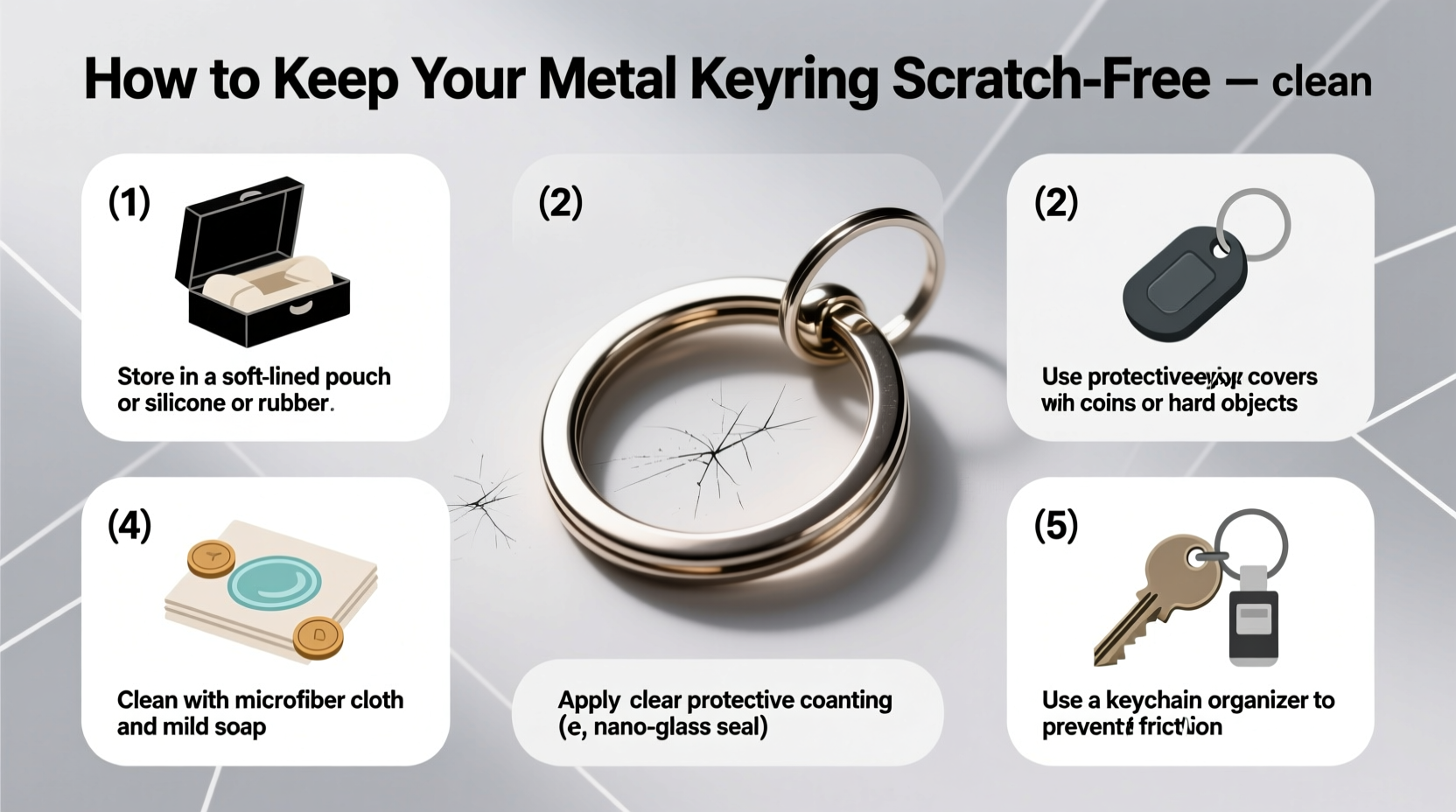
Metal may seem tough, but certain types are surprisingly prone to abrasion. Common materials like aluminum, brass, and even plated stainless steel can develop fine scratches from routine use. The primary causes include:
- Contact with harder metals: Keys, especially those made of hardened steel, are abrasive and rub against the keyring constantly.
- Pocket debris: Sand, grit, or coins in pockets act like sandpaper when carried together.
- Improper storage: Tossing keyrings into bags or drawers exposes them to uncontrolled friction.
- Environmental exposure: Moisture, salt, and chemicals accelerate surface degradation and make scratches more visible.
Understanding these factors is the first step toward prevention. With targeted care, even frequently used keyrings can retain their luster for years.
Protective Materials and Coatings
One of the most effective ways to prevent scratches is by applying a protective barrier. These coatings don’t alter the look significantly but add a layer of defense against daily wear.
Tip: Apply a thin coat of clear nail polish or jeweler’s lacquer to high-friction areas of your keyring. Reapply every few months for continued protection.Here are some proven coating options:
| Coating Type | Pros | Cons | Best For |
|---|---|---|---|
| Jeweler’s Lacquer | Durable, invisible, long-lasting | Requires careful application | Engraved or detailed designs |
| Clear Nail Polish | Easily accessible, affordable | May yellow over time; needs frequent reapplication | Casual users or temporary protection |
| Nano-Ceramic Coating | Highly resistant to scratches and corrosion | Requires professional application | High-value or collectible keyrings |
| Plastic Keyring Sleeves | Reusable, no residue, easy to install | Slight change in appearance | Everyday carry keyrings |
For best results, clean the keyring thoroughly before applying any coating. Use isopropyl alcohol on a lint-free cloth to remove oils and fingerprints, then allow it to dry completely.
Smart Storage and Carrying Habits
How you store and carry your keys plays a crucial role in minimizing scratches. Simple changes in routine can have lasting effects.
- Use a dedicated key pouch: A soft leather or fabric key case isolates your keyring from other objects. This is especially helpful if you carry loose items in your bag or pocket.
- Avoid mixing with coins or tools: Even small metal objects create micro-abrasions over time. Keep keys separate in your wallet or organizer.
- Hang keys at home: Install a wall-mounted hook or decorative rack. This prevents them from being tossed onto hard surfaces where they can get dinged.
- Limit key stacking: The more keys attached, the greater the internal friction. Only carry what you need daily and rotate extras.
“Scratch prevention starts with isolation. A keyring that doesn’t touch anything else won’t get damaged.” — Daniel Reeves, Industrial Jewelry Designer
DIY Maintenance Routine for Long-Term Care
Regular upkeep helps maintain shine and detect early signs of wear. A simple weekly routine takes less than five minutes but pays off in appearance and longevity.
Step-by-Step Weekly Maintenance
- Remove the keyring from your keychain and inspect for visible scratches or tarnish.
- Wipe with a microfiber cloth to remove dust and fingerprints. Avoid paper towels, which can be abrasive.
- Clean gently with mild soapy water if needed. Dip a soft toothbrush in soapy water and lightly scrub around crevices.
- Rinse and dry immediately with a lint-free cloth. Never let water sit on metal surfaces.
- Polish with a jewelry cloth to restore shine—especially effective for silver, chrome, or polished brass.
- Reapply protective coating if using lacquer or nail polish, focusing on edges and contact points.
Real-World Example: Preserving a Commemorative Keyring
James, a travel enthusiast, owns a brass keyring engraved with coordinates from his first international trip. He carries it daily but noticed it was beginning to tarnish and show fine scratches after six months. Instead of accepting wear as unavoidable, he implemented a few changes:
- He applied a thin layer of jeweler’s lacquer after cleaning it professionally.
- Started using a slim leather key sleeve when traveling or commuting.
- Kept a second, simpler keyring for heavy-duty use (like gym or work access).
After one year, the commemorative keyring looked nearly new, while his backup showed expected wear. His approach demonstrates that selective use and proactive care preserve both function and sentiment.
Do’s and Don’ts of Keyring Care
| Do’s | Don’ts |
|---|---|
| Store in a soft pouch or dedicated case | Throw keys into a cluttered bag or pocket |
| Clean regularly with a microfiber cloth | Use harsh cleaners like bleach or ammonia |
| Apply protective coatings every 3–6 months | Ignore deep scratches or corrosion signs |
| Rotate keyrings to reduce constant use | Expose to saltwater or pool chemicals without rinsing |
Frequently Asked Questions
Can I use car wax on my metal keyring?
While car wax offers temporary shine and mild protection, it’s not ideal for small metal items. It can attract dust and leave a greasy residue. Stick to jewelry-specific polishes or clear lacquers instead.
What’s the best way to remove existing scratches?
Minor scratches can often be buffed out with a jewelry polishing cloth. For deeper marks, use a fine-grade metal polish and a soft brush. However, avoid aggressive rubbing on engraved or delicate areas.
Are silicone key covers worth it?
Silicone covers offer excellent scratch resistance and come in various colors and fits. They’re especially useful for active individuals or those who carry keys on belts or in backpacks. Just ensure the cover fits snugly to prevent internal movement and friction.
Final Thoughts: Small Efforts, Lasting Results
Keeping your metal keyring scratch-free isn’t about perfection—it’s about consistency. A few mindful choices in how you carry, store, and maintain your keyring can preserve its appearance and meaning for years. Whether it’s a gift, a memento, or a symbol of achievement, your keyring deserves more than being lost in the bottom of a bag.
Start today: clean your keyring, apply a protective coat, and invest in a simple pouch. These small steps build a habit of care that turns everyday objects into lasting keepsakes.
💬 Have a favorite method for protecting your keys? Share your tip with others in the comments and help build a community of thoughtful keyring owners!