
Thrift shopping is a sustainable, budget-friendly way to refresh your wardrobe. But one common frustration stands in the way: the lingering odor of cigarette smoke. Many secondhand garments carry that stale, musty scent deep in the fibers, making them unwearable no matter how stylish they are. While repeated washing might seem like the only solution, it’s not always effective—and it can damage delicate fabrics over time.
The good news? You don’t need to wash a garment ten times to eliminate smoke odor. With targeted techniques that neutralize rather than mask smells, you can restore freshness while preserving fabric integrity. This guide explores science-backed, practical methods to deodorize thrifted clothes safely and efficiently—without subjecting them to endless laundry cycles.
Understanding Why Smoke Smell Lingers
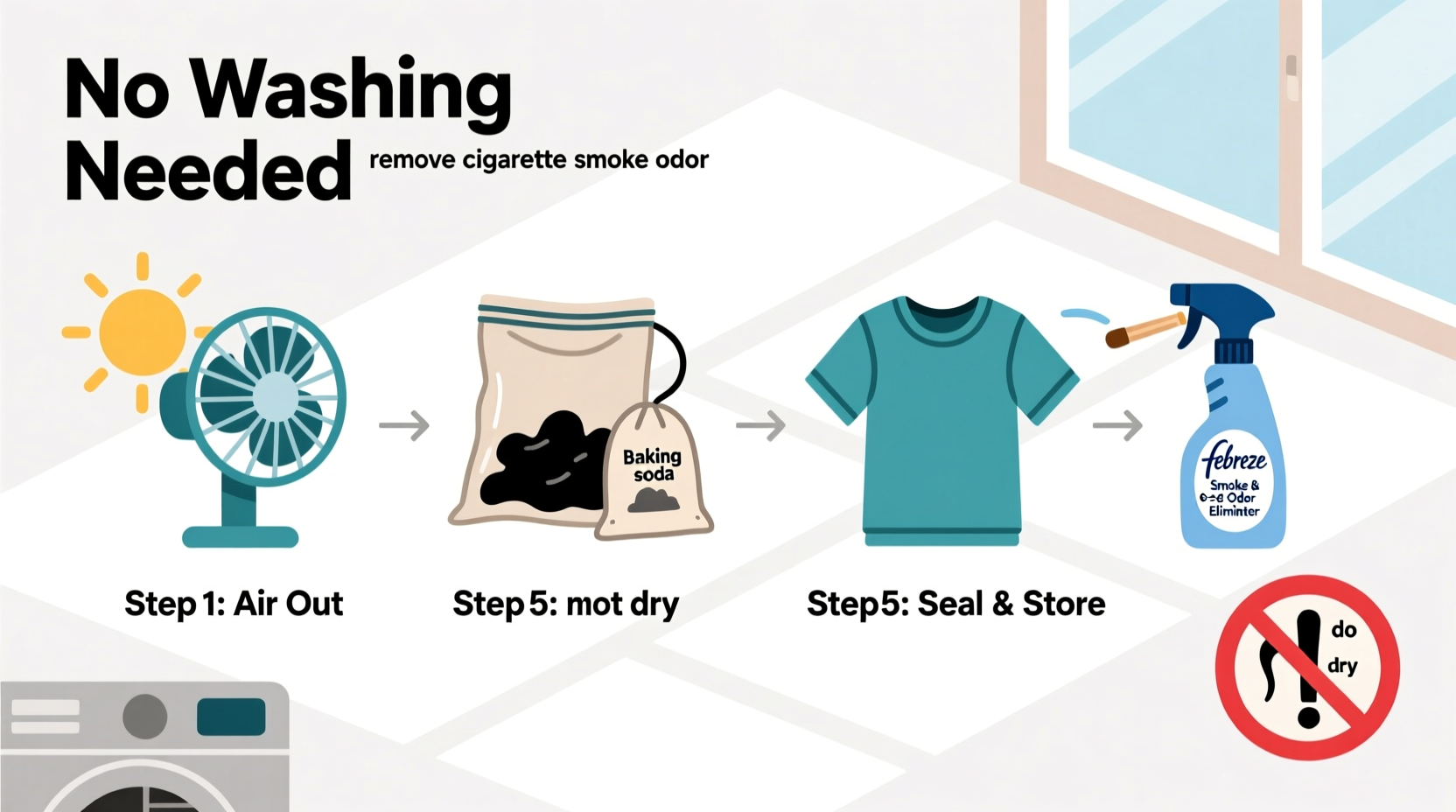
Cigarette smoke doesn’t just sit on the surface—it penetrates deeply into textile fibers. The odor comes from tar, nicotine, and hundreds of volatile organic compounds (VOCs) released during smoking. These chemicals bind tightly to natural fibers like cotton, wool, and silk, which have porous structures that absorb odors more readily than synthetics.
Washing alone often fails because standard detergents aren’t designed to break down these chemical residues. Hot water may even set the odor by cooking the molecules deeper into the fabric. That’s why many people find themselves re-washing clothes multiple times with diminishing returns.
“Odor removal isn’t about masking or diluting—it’s about neutralizing the source. For smoke-stained textiles, physical and chemical approaches work best when combined.” — Dr. Lena Patel, Textile Chemist at Green Fabric Labs
Effective Non-Wash Methods to Remove Cigarette Smell
Below are proven strategies that go beyond detergent, targeting odor at the molecular level. Most require minimal supplies and can be used individually or in combination for stronger results.
1. Air Outdoors with Sunlight and Breeze
Fresh air and UV light are powerful natural deodorizers. Hang clothes outside on a dry, breezy day for 4–6 hours. Ultraviolet rays help break down odor-causing compounds, while airflow carries trapped particles away.
Tip: Avoid direct midday sun for delicate fabrics like silk or rayon. Early morning or late afternoon sun is gentler but still effective.For best results:
- Use a clothesline or drying rack—not draped over furniture.
- Turn garments inside out to expose inner fibers.
- Flip halfway through to ensure even exposure.
2. Use Activated Charcoal Bags
Activated charcoal is highly porous and absorbs odors passively. Unlike baking soda, it doesn’t release absorbed molecules back into the air. Place 2–3 charcoal sachets inside a sealed garment bag or storage bin with the clothes for 24–72 hours.
This method works especially well for structured items like coats, suits, or bags where moisture-based cleaning isn’t ideal.
3. Try Freezing for Delicate Fabrics
Freezing kills odor-causing bacteria and loosens bonded particles. Place clean, dry clothes in a sealed plastic bag and freeze for 24–48 hours. After thawing, hang them outside to air out.
This technique is excellent for vintage pieces, fur trims, or embroidered garments that can’t be washed frequently.
4. Steam Treatment with Vinegar Solution
Steam penetrates deep into fibers, releasing trapped odors. Add 1 part white vinegar to 3 parts distilled water in your steamer reservoir. Gently steam both sides of the garment, focusing on collars, cuffs, and underarms where smoke residue accumulates.
Vinegar neutralizes alkaline compounds in smoke without damaging most fabrics when diluted. Let the garment air dry afterward—do not tumble dry.
5. Odor-Absorbing Cabinet or Closet Method
Create a DIY deodorizing chamber using a large plastic bin or unused closet. Line shelves with odor-absorbing materials such as:
- Baking soda trays (replace weekly)
- Activated bamboo charcoal boxes
- Dry coffee grounds in breathable sachets
- Essential oil diffusers with citrus or tea tree oil (use sparingly)
Hang or fold clothes inside the space for 3–7 days. This slow, passive method gradually pulls odor from fibers without agitation.
Step-by-Step Guide: Eliminate Smoke Smell in 5 Days
Follow this timeline for optimal results without excessive washing:
- Day 1 – Initial Airing: Hang clothes outside for 4–6 hours. Brush off any visible dust or debris with a soft clothes brush.
- Day 2 – Charcoal Exposure: Place garments in a sealed storage bin with activated charcoal bags. Close lid and leave overnight.
- Day 3 – Light Steaming: Use a handheld steamer with vinegar-water mix to treat high-residue areas. Allow to dry completely in a ventilated room.
- Day 4 – Freezer Refresh (optional): For non-washable items, freeze for 24 hours in a sealed bag.
- Day 5 – Final Air Out: Return clothes outside or near an open window with a fan for circulation. Sniff test before storing.
When Washing Is Necessary—But Done Right
Sometimes, light washing is unavoidable. But instead of defaulting to ten cycles, use strategic laundering with odor-targeting additives.
| Additive | How It Works | Fabric Suitability | Usage Tip |
|---|---|---|---|
| White Vinegar (1 cup) | Neutralizes alkaline smoke residues | All except silk/wool | Add to rinse cycle; never mix with bleach |
| Baking Soda (½ cup) | Absorbs odors during wash | Most fabrics | Combine with detergent in drum |
| Enzyme-based odor remover | Breaks down organic odor molecules | Cotton, synthetics | Soak 1–2 hours before washing |
| Oxygen bleach (non-chlorine) | Oxidizes and lifts stains/odors | Colorfast fabrics | Follow label instructions; avoid wool/silk |
Wash only once using warm (not hot) water and double-rinse to flush out residue. Dry outdoors if possible. One properly executed wash beats five haphazard ones.
Mini Case Study: Reviving a Vintage Wool Coat
Jamie purchased a 1970s camel-hair coat from a local thrift store. Despite its pristine condition, it carried a strong smoke odor. Knowing wool could shrink if washed improperly, Jamie avoided the machine entirely.
Instead, they:
- Hung the coat outside for two full days (dry, windy weather)
- Placed charcoal bags in each pocket and stored it in a cedar closet for three nights
- Used a vinegar-dampened cloth to gently wipe the collar and lapels
- Finished with a light steam using a garment steamer
After five days, the coat was completely odor-free and ready to wear. No washing required. “I saved the fabric’s integrity and avoided potential shrinkage,” Jamie said. “It feels better than new.”
Common Mistakes That Make the Problem Worse
Avoid these counterproductive habits:
- Overusing fabric sprays: Most only mask odors temporarily and can leave sticky residues.
- Tumble drying repeatedly: Heat sets odors and damages fibers over time.
- Using chlorine bleach: Reacts with smoke chemicals to create worse odors and weakens fabric.
- Storing smelly clothes long-term: Odors transfer to other garments and become harder to remove.
- Skipping ventilation: Keeping clothes packed in bins traps moisture and intensifies smells.
“Preserving vintage clothing means respecting its history—including the odors it may carry. Gentle, consistent treatment removes the past without erasing the story.” — Miriam Cho, Sustainable Fashion Curator
Checklist: How to Deodorize Thrifted Clothes Without Over-Washing
Use this actionable checklist before resorting to repeated laundering:
- ✅ Air clothes outside for at least 4 hours
- ✅ Brush garments to remove surface residue
- ✅ Use activated charcoal in a sealed container for 2–3 days
- ✅ Spot-treat with vinegar-water solution if needed
- ✅ Steam with a vinegar-infused steamer
- ✅ Freeze delicate items for 24 hours
- ✅ Store in a ventilated, odor-absorbing space
- ✅ Wash only once—with odor-neutralizing additives—if necessary
- ✅ Dry outdoors or in a well-ventilated area
- ✅ Conduct a final sniff test before wearing or storing
FAQ
Can I use Febreze to get rid of cigarette smell?
Febreze masks odors with fragrance but doesn’t eliminate the root cause. Some formulas contain enzymes that help break down organic residues, but results vary. For smoke, it’s better used as a final touch after deeper treatment—not a standalone solution.
Will sunlight fade my clothes?
Prolonged direct sunlight can fade colors, especially dark dyes and prints. Limit outdoor airing to 4–6 hours and avoid peak UV hours (10 a.m.–2 p.m.). Turn garments inside out and rotate positions for even exposure.
Is it safe to combine vinegar and baking soda in a wash?
Mixing vinegar and baking soda creates a fizzing reaction that neutralizes both. Instead, use them separately: baking soda in the wash cycle, vinegar in the rinse. Or apply sequentially in non-wash methods like steaming and airing.
Conclusion
Removing cigarette smell from thrifted clothes doesn’t require endless washing. By understanding how smoke binds to fabric and using targeted, gentle methods, you can restore freshness without compromising garment quality. From outdoor airing to charcoal absorption and smart steaming, each step builds toward a truly odor-free result.
These techniques empower you to shop secondhand with confidence, knowing you can refresh any piece safely and sustainably. Whether reviving a vintage blazer or rescuing a cozy sweater, the right approach makes all the difference.
💬 Have a thrift-flip success story? Share your favorite odor-removal hack in the comments and inspire others to thrift smarter!








