Suede is a luxurious, velvety form of leather prized for its soft texture and stylish appearance. But when your favorite suede sneakers meet rain, mud, or puddles, the experience can quickly turn from fashionable to frustrating. Unlike standard leather or synthetic materials, suede absorbs moisture rapidly and is highly susceptible to staining, hardening, and discoloration. A rainy walk doesn’t have to spell disaster—provided you act quickly and correctly. With the right tools and techniques, you can restore your suede sneakers to their original condition without causing irreversible damage.
The key lies in understanding suede’s unique structure. Suede is made from the underside of animal hides, giving it a napped surface that feels soft but is also porous. This porosity makes it vulnerable to water spots, oil stains, and dirt buildup. Improper cleaning—like using too much water, harsh detergents, or aggressive scrubbing—can ruin the nap, fade the color, or leave permanent marks. The goal isn’t just to dry the shoes, but to preserve their texture, color, and shape.
Why Water Damages Suede (And What Happens When It Gets Wet)
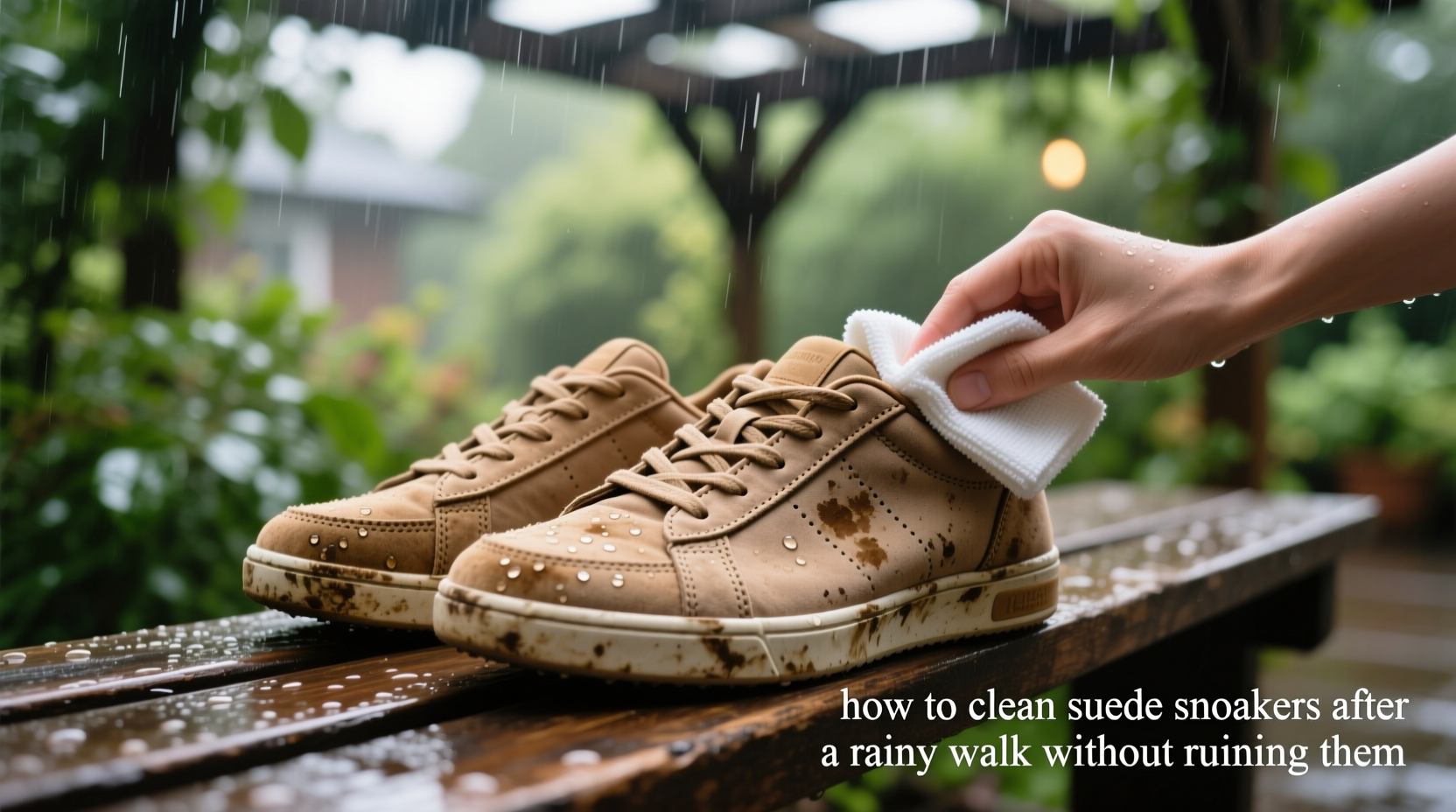
When suede gets wet, several things occur at a microscopic level. First, water causes the fibers in the leather to swell and contract unevenly as they dry. This leads to stiffness and a rough, matted texture where the soft nap once was. Second, impurities in water—especially tap water or rainwater containing minerals and pollutants—can leave behind visible water stains or rings as the liquid evaporates. These are often grayish or white and appear in patches across the shoe.
Additionally, if the sneakers are worn while damp, friction from walking can crush the nap permanently, leading to shiny or flattened areas. Mud or dirt carried in from outside compounds the issue by embedding particles into the fibers, which become harder to remove once dried. Without prompt and careful intervention, what started as a simple rainy walk can result in discolored, stiff, or misshapen footwear that looks worn out far before its time.
“Suede should never be treated like regular fabric. Its sensitivity to moisture means timing and technique are everything.” — Marcus Tran, Footwear Restoration Specialist with 15 years in luxury sneaker care
Step-by-Step Guide: How to Clean Suede Sneakers After Rain
Immediate action is critical. The longer suede stays wet, the more likely permanent damage will occur. Follow this detailed timeline to rescue your sneakers effectively.
- Remove excess moisture immediately: As soon as you get indoors, take off your sneakers. Do not let them air dry on your feet. Gently blot the exterior with a clean, absorbent microfiber cloth or paper towel. Never rub—this pushes water deeper into the fibers. Focus on heavily soaked areas like the toe box or sides.
- Stuff with unprinted paper or shoe trees: Loosely pack the interior with crumpled newspaper or plain tissue paper. Avoid printed newspaper, as ink can transfer onto damp lining. This helps maintain the shoe’s shape and draws moisture from the inside out. Replace the paper every few hours as it becomes damp.
- Let them air dry naturally: Place the sneakers in a well-ventilated room at room temperature, away from direct sunlight, radiators, or hairdryers. Heat causes the leather to crack and warp. Allow 24–48 hours for full drying. Do not wear them until completely dry.
- Brush the nap gently: Once fully dry, use a suede brush (with brass or nylon bristles) to lift the fibers. Brush in one direction using light, even strokes. This restores the soft texture and removes surface dirt. If you don’t own a suede brush, a clean toothbrush can work in a pinch—but use extreme caution to avoid scratching.
- Treat stains and water marks: For lingering water spots or scuffs, use a suede eraser. Rub gently over the affected area in small circular motions. Wipe away residue with a dry cloth. For oily stains, sprinkle cornstarch or talcum powder on the spot, let sit overnight, then brush off.
- Restore color and finish (optional): If the color appears faded or uneven, consider using a suede color restorer spray matched to your shoe’s shade. Test on a small hidden area first. Apply lightly and evenly, then brush again to blend.
- Apply protective spray: Once cleaned and restored, protect against future incidents with a silicone-free suede protector spray. Hold 6–8 inches away and apply in thin, even coats. Let dry completely between layers. Reapply every 4–6 weeks with regular wear.
Do’s and Don’ts: Common Mistakes That Ruin Suede Sneakers
Avoiding errors is just as important as knowing the right steps. Below is a comparison table highlighting frequent missteps and their safer alternatives.
| Don’t | Do |
|---|---|
| Use a hairdryer or heater to speed up drying | Allow natural air drying at room temperature |
| Rub wet suede with a regular towel | Blot gently with a microfiber cloth |
| Wear the shoes before they’re fully dry | Wait 24–48 hours and check for internal moisture |
| Use soap, detergent, or household cleaners | Stick to suede-specific tools: brushes, erasers, powders |
| Store in plastic bags or humid areas | Keep in breathable cotton bags in a cool, dry closet |
| Ignore early signs of matting or staining | Address issues promptly before they set in |
One of the most overlooked mistakes is skipping the stuffing step. Without internal support, suede sneakers collapse inward as they dry, losing their structured silhouette. Another common error is over-brushing. While brushing is essential, excessive pressure can wear down the nap and create shine, especially on high-friction zones like the heel counter.
Real Example: Saving a Pair of Beige Suede Chelseas
Julia, a graphic designer in Seattle, stepped into a deep puddle during her morning commute. Her beige suede Chelsea boots were soaked within seconds. At first, she considered leaving them by the radiator to dry quickly. Instead, remembering an article she’d read months earlier, she took a different approach.
She removed the boots immediately upon arriving at work, blotted them with napkins from the break room, and stuffed them with tissues from her desk drawer. She placed them under a vent in her office (not directly in airflow), replacing the tissues twice throughout the day. By evening, they were still slightly damp inside, so she repeated the process at home.
Two days later, after brushing with a suede comb borrowed from a friend, the boots looked nearly untouched. There was one faint water mark near the left toe, which she treated with a suede eraser. After a light application of protector spray, they were back in rotation. Julia now keeps a travel-sized suede care kit in her bag—complete with mini brush, eraser, and silica gel packets—for emergencies.
This example underscores the importance of patience and preparation. Julia didn’t have professional tools on hand, but her quick thinking and adherence to core principles saved her $200 investment.
Essential Tools for Suede Care: Your Maintenance Checklist
To keep your suede sneakers in top condition—especially in unpredictable weather—maintain a dedicated care kit. Here’s what you should include:
- A suede brush (preferably dual-sided: brass and nylon bristles)
- A suede eraser for lifting stains and scuff marks
- Cornstarch or talcum powder for oil and water absorption
- Microfiber cloths for gentle blotting
- Shoe trees or unprinted paper for shaping during drying
- Silicone-free suede protector spray
- Soft-bristled toothbrush (backup option)
- Small container for storing loose powders
Regular maintenance extends beyond post-rain recovery. Wipe down your sneakers weekly with a dry brush to prevent dirt buildup. Reapply protector spray monthly, especially during rainy seasons. Inspect for early signs of wear, such as darkened areas or compressed nap, and address them before they worsen.
Frequently Asked Questions
Can I wash suede sneakers in the sink?
No. Submerging suede in water breaks down the leather fibers and almost always results in shrinkage, discoloration, or permanent texture loss. Spot cleaning with minimal moisture and proper tools is the only safe method.
What if my suede sneakers already have white water stains?
White marks are mineral deposits left behind as water evaporates. To remove them, lightly mist the entire panel with distilled water (using a spray bottle), then let dry completely before brushing. This evens out the moisture distribution and reduces patchiness. Follow with a suede eraser if needed.
Is it safe to use vinegar on suede?
Generally, no. Vinegar is acidic and can alter the pH balance of leather, leading to discoloration or fiber degradation. While some DIY sources recommend diluted vinegar for stains, professionals advise against it due to the risk of irreversible damage. Stick to proven suede-specific products.
Prevention Is Better Than Cure: Protecting Suede Before It Rains
The best way to handle wet suede is to avoid it altogether. Applying a high-quality waterproofing spray before wearing your sneakers in damp conditions creates a barrier that repels water and dirt. Look for sprays labeled “suede & nubuck safe” and free from silicone, which can clog pores and degrade the material over time.
Hold the spray 6–8 inches from the shoe and apply in a well-ventilated area. Use two light coats rather than one heavy one, allowing 15–20 minutes of drying time between applications. Reapplication frequency depends on usage: every 4 weeks for daily wear, every 8 weeks for occasional use. Reapply immediately after cleaning.
Additionally, consider timing. If rain is forecasted, opt for water-resistant footwear. Reserve suede sneakers for dry days or short outings where exposure is minimal. Awareness and planning significantly reduce risk.
Conclusion: Preserve the Beauty of Your Suede Sneakers
Suede sneakers demand more attention than their synthetic counterparts, but the effort pays off in longevity and style. A rainy walk doesn’t have to mean the end of your favorite pair. By responding swiftly, using the right tools, and avoiding common pitfalls, you can reverse water damage and keep your footwear looking fresh.
Start today by assembling a basic suede care kit and treating your shoes with a protective spray. Make inspection and light brushing part of your routine. Share these practices with friends who love fashion but may not know how to care for delicate materials. Great style lasts longer when paired with smart maintenance.
💬 Have a suede-saving story or tip? We’d love to hear how you rescued your favorite pair. Share your experience and help others protect their kicks!