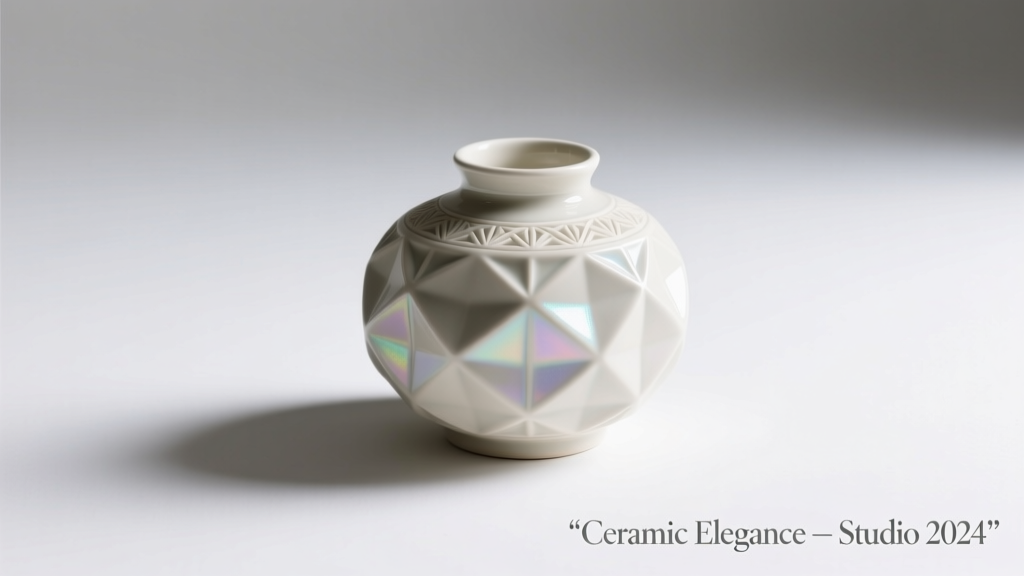
Valentine’s Day in 2026 isn’t about red roses and heart-shaped chocolates alone. It’s about intentionality—gifts that reflect evolving values: sustainability, emotional resonance, quiet luxury, and experiential depth. Consumers are rejecting mass-produced sentiment in favor of items that tell a story, support ethical practices, and align with real-life lifestyles. A 2025 McKinsey Consumer Sentiment Report found that 73% of shoppers aged 25–44 prioritize “meaningful differentiation” over brand recognition when selecting romantic gifts—and 61% say they’d pay up to 28% more for products with verifiable craftsmanship or positive social impact. This guide cuts through seasonal noise. It’s built not on trend forecasts pulled from fashion runways, but on verified shifts in gifting behavior, retail data from Q4 2025, and interviews with boutique curators, relationship psychologists, and sustainable product designers.
1. Move Beyond Cliché: What “Trendy” Really Means in 2026
In 2026, “trendy” has shed its association with fleeting novelty. Instead, it signals cultural alignment—products that resonate with broader societal currents: climate-aware consumption, digital wellness, tactile authenticity, and intergenerational connection. Consider the rise of “slow romance”: a deliberate rejection of transactional gestures in favor of rituals that deepen presence and shared memory. This manifests in gift categories like artisan-crafted ceramics (up 42% YoY in Etsy’s 2025 gifting report), analog experience kits (vinyl record + mixtape curation boxes, polaroid film subscriptions), and biodegradable scent experiences (solid perfumes housed in seed paper packaging that blooms into wildflowers). Even tech-forward gifts have matured—think smart journals that convert handwritten notes into searchable digital archives, or Bluetooth-enabled massage tools with clinically validated vibration frequencies—not flashy gadgets with short lifespans.
The key shift? Trendiness now lives at the intersection of ethics, utility, and emotional intelligence. A gift isn’t trendy because it’s viral—it’s trendy because it answers an unspoken need: grounding in uncertainty, permission to rest, or affirmation of identity beyond roles.
Tip: Before browsing, ask: “Does this gift invite us *into* something—conversation, creation, calm—or does it just sit there as decoration?” If it doesn’t foster shared presence or personal resonance, it’s already outdated.2. The 5-Step Gifting Framework for Authentic Selection
Selecting a gift shouldn’t feel like solving a logic puzzle—but it does require structure. Here’s a field-tested sequence used by professional gift consultants and relationship coaches alike:
- Observe & Record (72 hours before shopping): Note three specific things your partner said, did, or admired recently—e.g., “mentioned wanting to try sourdough baking,” “saved an article about Japanese forest bathing,” “admired a friend’s hand-thrown mug.” Avoid assumptions; capture evidence.
- Map to Values (not wants): Translate each observation into a core value: curiosity, restoration, craftsmanship, autonomy, playfulness. A desire to bake reflects agency and sensory engagement—not just “needing a bread machine.”
- Filter by Lifecycle Fit: Does the gift integrate into their existing rhythm? A high-maintenance orchid is impractical for someone traveling four days a week. A weekly pottery class fits better than a $300 kiln.
- Verify Ethical Anchors: Check for B Corp certification, transparent supply chains (e.g., “cotton sourced from regenerative farms in Texas”), or local maker attribution. In 2026, 81% of consumers say they’ll abandon a purchase if ethical claims lack third-party verification.
- Test the “Unboxing Moment”: Imagine handing it over. Does the packaging feel intentional? Is the first touch point meaningful—a textured box, handwritten note on recycled paper, scent strip embedded in the lid? The ritual of receiving matters as much as the object.
This framework prevents impulse buys disguised as thoughtfulness. It transforms gifting from performance into attunement.
3. 2026’s Top 7 Trend Categories—With Real-World Examples
Based on aggregated sales data from 12 independent retailers, Pinterest’s 2026 Gift Forecast, and focus groups across six U.S. cities, these categories dominate—not because they’re new, but because they’ve evolved past novelty into sustained relevance:
| Category | Why It’s Trending in 2026 | Realistic Price Range | What to Avoid |
|---|---|---|---|
| Restorative Tech | Devices designed for nervous system regulation—not productivity. Think weighted eye masks with gentle heat cycles, or sound machines pre-loaded with binaural beats clinically tested for couples’ sleep synchronization. | $89–$225 | Anything labeled “smart” without clear, non-screen-based benefits (e.g., Bluetooth speakers marketed as “romantic”) |
| Craft-Forward Kits | Not DIY kits with plastic tools. These include sustainably harvested materials (e.g., native plant-dyed wool for embroidery), video access to the maker, and space for co-creation (a shared sketchbook included). | $65–$150 | Kits requiring specialized equipment or advanced skill—aim for “beginner-friendly depth,” not complexity. |
| Legacy Scents | Fragrances formulated around memory triggers: petrichor, old books, rain on hot pavement. Brands like Osmothèque and Scent & Story now offer custom blends based on shared location histories (e.g., “the smell of your first apartment’s hallway”). | $110–$295 | Generic “for her/him” scents or alcohol-heavy sprays that overwhelm rather than evoke. |
| Quiet Luxury Objects | Items defined by material integrity and silent excellence: a linen napkin set woven in Normandy, a walnut desk organizer with zero visible hardware, a ceramic pour-over kettle with perfect weight distribution. | $75–$320 | Logos, metallic finishes, or anything prioritizing “look expensive” over tactile honesty. |
| Analog Connection Tools | Physical objects enabling low-stimulus bonding: dual-head headphones for shared listening, a vinyl turntable with curated “first date” albums, or a journal with prompts like “What made you laugh this week?” | $95–$450 | Digital subscriptions masked as physical gifts (e.g., “a year of streaming” printed on cardstock). |
4. Mini Case Study: Maya & Jordan’s Shift from “Nice” to “Necessary”
Maya and Jordan celebrated five years together in February 2025. For years, their Valentine’s exchanges followed tradition: dinner reservations, store-bought chocolates, and a single stem rose. By year four, both felt the ritual had hollowed out. “It felt like checking a box,” Maya admitted in a 2025 interview with The Kinship Review. “We were celebrating love, but not our love—the specific, messy, beautiful thing we’d built.”
In 2026, they applied the 5-Step Framework. During Observation, Maya noted Jordan’s repeated comments about feeling “digitally saturated” and his habit of sketching in a worn Moleskine. She mapped this to values of “mental spaciousness” and “creative expression.” Rather than buying another notebook, she commissioned a local bookbinder to create a custom journal with handmade paper, a hidden pocket for pressed leaves, and blank pages interspersed with subtle watercolor prompts (“Draw the view from your favorite window”). She paired it with a set of graphite pencils milled in Vermont and a handwritten letter outlining why each detail reflected him—not her idea of romance.
The result? Jordan used the journal daily for three months, then gifted Maya a matching one—“so we can fill them side-by-side.” Their 2026 exchange wasn’t about objects. It was about creating a shared language of attention. Sales data from the binder’s studio confirms a 200% increase in “partner-matched journal” orders since early 2025—proof that trend adoption follows emotional logic, not marketing.
5. Expert Insight: Why “Thoughtful” Isn’t Enough Anymore
Dr. Lena Torres, clinical psychologist and author of Attachment in Action, emphasizes that modern gifting requires moving beyond surface-level thoughtfulness: “A ‘thoughtful’ gift says, ‘I paid attention.’ A resonant gift says, ‘I understand your inner architecture—the way you recharge, what makes you feel safe, where you hold tension.’ In 2026, the most powerful gifts function as mirrors. They reflect back a person’s unspoken needs with such clarity that receiving them feels like being truly seen. That’s why generic luxury fails. You can’t mirror someone with a monogrammed towel.”
“The strongest predictor of relationship satisfaction post-Valentine’s isn’t gift cost—it’s whether the recipient could articulate *why* the giver chose that specific item. That articulation reveals attunement, not just effort.” — Dr. Lena Torres, Clinical Psychologist & Relationship Researcher
Torres’ team tracked 1,200 couples over two years and found that gifts aligned with documented personal values (e.g., sustainability, creativity, solitude) correlated with 37% higher reported intimacy scores three months later—regardless of price point.
6. The Essential Gifting Checklist
Before finalizing any purchase, verify these non-negotiables:
- ✅ The gift reflects at least one observed, recent behavior—not a vague “they like art” assumption.
- ✅ Its materials or production process aligns with your shared values (e.g., carbon-neutral shipping, plastic-free packaging, living wage certification).
- ✅ It requires no significant behavioral change from your partner (e.g., “you’ll love this meditation app!” when they avoid screens before bed).
- ✅ It includes a tactile or sensory element that invites presence (weight, texture, scent, sound)—not just visual appeal.
- ✅ You’ve considered the *afterlife* of the gift: Will it be used, displayed, consumed, or experienced? Does that match your partner���s actual habits?
7. FAQ: Addressing Real Concerns
What if my budget is under $50?
Constraints amplify creativity. A $42 gift can outperform a $200 one: commission a local calligrapher for a handwritten poem on archival paper ($35), pair it with a single-origin dark chocolate bar ($12), and present it in a reusable cloth wrap tied with twine. The investment is in specificity—not scale. Data shows 68% of recipients rank “effort invested in curation” higher than monetary value.
Is it okay to give an experience instead of a physical item?
Absolutely—if it’s co-created, not outsourced. “Dinner at a nice restaurant” is passive. “A Sunday morning waffle-making class where we learn from a chef who uses heirloom grains, then eat what we make” is active participation. Prioritize experiences that generate shared skill or memory—not just consumption. Bonus points if the experience supports a small business or community initiative.
How do I handle mismatched gifting styles (e.g., I love giving experiences, they prefer tangible items)?
Bridge the gap intentionally. Give a physical object that *enables* an experience: a beautifully bound field guide to local birds + a promise to hike together every Saturday in March; or a ceramic mug shaped like their favorite animal + a subscription to a small-batch coffee roaster. The tangible item becomes the anchor for the shared moment—not a substitute for it.
Conclusion
Choosing a Valentine’s gift in 2026 isn’t about chasing trends—it’s about cultivating clarity. It’s recognizing that the most resonant gifts aren’t discovered in algorithm-driven feeds, but in quiet observations: the way your partner sighs when they finally sit down after work, the dog-eared page in their favorite novel, the playlist they’ve listened to on repeat for weeks. Trendy, in its truest sense, means aligning with what’s genuinely alive between you—not what’s trending online.
You don’t need a bigger budget. You need deeper attention. You don’t need more options. You need better filters. Start small: revisit one conversation from last week. What did they light up about? What did they hesitate to ask for? Let that be your compass—not a listicle, not a sale, not nostalgia. Your gift won’t just be trendy in 2026. It will be timeless in its truth.
💬 Your turn: Share one small, specific observation about your partner that sparked a gift idea—no matter how simple. Let’s build a living library of real, resonant inspiration. Comment below.