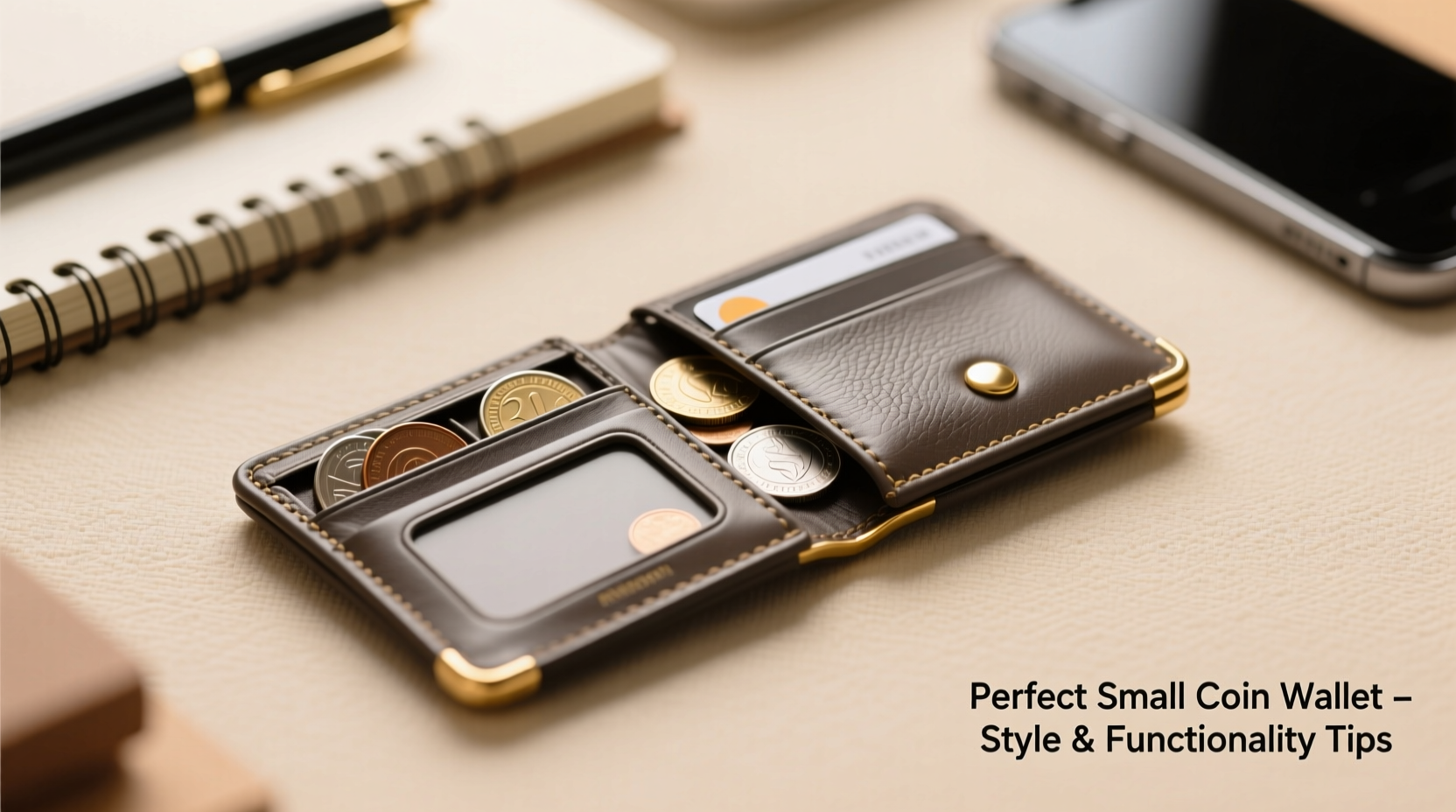
A small coin wallet may seem like a minor accessory, but its impact on daily convenience and personal style is often underestimated. Whether tucked into a pocket, purse, or backpack, the right coin wallet keeps loose change organized, reduces bulk, and complements your overall aesthetic. Yet, many people settle for poorly designed options that wear out quickly or fail to meet real-world needs. Choosing the ideal one requires thoughtful consideration of materials, size, closure type, and design. With rising demand for minimalist accessories and sustainable craftsmanship, now is the time to make an informed decision.
Understand Your Daily Needs
Before evaluating aesthetics or brand reputation, assess how you actually use a coin wallet. Do you frequently handle cash in markets or vending machines? Are you someone who collects foreign coins as souvenirs? Or do you simply want a compact way to carry a few essential coins without cluttering your pockets?
Your usage pattern directly influences the ideal size and structure. For instance, frequent travelers might benefit from a slightly larger wallet with compartments for different currencies, while urban commuters may prefer ultra-slim designs that fit seamlessly alongside cards and folded bills.
Tip: Observe what you carry for one week—note how many coins you use and where they end up. This helps determine the necessary capacity.Material Matters: Durability Meets Aesthetic
The material of your coin wallet affects not only appearance but also longevity and tactile experience. Common options include leather, fabric, metal, and recycled synthetics, each with distinct advantages.
- Full-grain leather develops a rich patina over time and resists wear better than other leathers. It molds to your carry habits and ages gracefully.
- Cotton canvas or waxed fabric offers lightweight resilience and is often favored in eco-conscious designs. These materials are water-resistant when treated and easy to clean.
- Stainless steel or aluminum cases provide maximum protection against crushing and moisture but can be heavier and less flexible.
- Recycled PET or plant-based synthetics appeal to sustainability-focused users, combining modern textures with low environmental impact.
“Materials shape both function and emotional connection. A well-made leather wallet becomes part of your story.” — Daniel Reeves, Accessory Designer & Craftsmanship Advocate
Comparison Table: Wallet Materials at a Glance
| Material | Durability | Weight | Maintenance | Best For |
|---|---|---|---|---|
| Full-Grain Leather | High | Medium | Condition occasionally | Long-term users, classic style lovers |
| Waxed Canvas | Medium-High | Light | Wipe clean | Outdoor enthusiasts, minimalists |
| Stainless Steel | Very High | Heavy | Wipe with damp cloth | Harsh environments, industrial look |
| Recycled Fabric | Medium | Light | Machine washable (some) | Eco-conscious buyers |
Design Features That Enhance Functionality
Functionality goes beyond holding coins—it’s about ease of access, security, and integration into your lifestyle. Consider these key features:
- Secure Closure Mechanism: Zippers offer full containment but may snag. Snap buttons are quicker but less secure. Magnetic flaps balance speed and safety. Choose based on how often you open it and whether you carry it loosely in a bag.
- Internal Organization: Look for subtle dividers or dual chambers if you separate local currency from foreign coins or want to keep keys or SD cards secure.
- Flat Profile: A slim silhouette ensures it won’t add unnecessary thickness when stored in tight spaces like front pants pockets or slim purses.
- External Texture or Grip: Smooth surfaces slip easily from hands. Textured finishes or stitched patterns improve handling, especially in cold weather.
Real-World Example: The Commuter’s Dilemma
Sophie, a graphic designer in Berlin, used to lose coins constantly. She carried them loose in her jacket pocket, leading to noise, spills, and frustration during transit payments. After researching compact wallets, she chose a curved, zippered leather pouch just large enough for eight euros. Its rounded edges prevented pocket wear, and the brass zipper resisted corrosion from rain exposure. Within weeks, her daily routine became smoother—not because the wallet was revolutionary, but because it solved a specific, repeated problem with elegance and reliability.
Style Without Sacrifice: Matching Your Wallet to Your Wardrobe
A small coin wallet doesn’t have to be invisible. In fact, it can serve as a subtle signature piece. Neutral tones like charcoal, tan, or navy integrate easily across seasons. Bold colors or embossed patterns work well if you enjoy rotating accessories or want a pop of personality.
Consider coordination with other items: a brown leather wallet pairs naturally with suede shoes or a matching belt; a matte black synthetic model suits techwear outfits or minimalist monochrome ensembles.
Proportion is equally important. Oversized coin holders disrupt streamlined silhouettes, while undersized ones strain seams under regular use. Aim for dimensions around 3.5 x 2.75 inches—large enough for practicality, small enough for discretion.
Checklist: How to Select the Right Coin Wallet
- ✅ Assess your average coin volume weekly
- ✅ Prioritize durable, appropriate materials for your climate
- ✅ Ensure the closure stays secure during movement
- ✅ Verify it fits comfortably in your preferred carry spot
- ✅ Check stitching quality—tight, even threads with no loose ends
- ✅ Match color or texture to your most-used outerwear or bags
- ✅ Confirm return policy if buying online
Frequently Asked Questions
Can I use a coin wallet for things other than coins?
Absolutely. Many users repurpose small coin wallets for USB drives, earplugs, backup SIM cards, or even folded emergency cash. Just ensure the interior lining protects delicate electronics from abrasion.
Are metal coin wallets worth the extra weight?
If you work in rugged conditions—construction, hiking, or live in a humid environment—yes. Metal provides crush resistance and waterproofing unmatched by soft materials. However, for everyday city life, lighter alternatives often offer better comfort-to-protection ratios.
How do I clean and maintain my coin wallet?
Cleaning depends on the material. Wipe leather with a damp cloth and condition quarterly. Fabric models may be spot-cleaned or machine-washed if labeled safe. Avoid submerging any wallet with metal components unless explicitly rated waterproof.
Final Thoughts: Make Every Detail Count
The perfect small coin wallet isn't defined by price or brand prestige—it's measured by how effortlessly it integrates into your life. When chosen wisely, it eliminates friction, reflects your taste, and withstands daily demands. Don’t overlook this small but significant tool in your personal ecosystem. From material selection to closure type and aesthetic harmony, each decision contributes to long-term satisfaction.
💬 Found your ideal coin wallet? Share your go-to features or favorite brand in the comments—your insight could help others make smarter choices!








