Chunky platform slides have become a staple in modern wardrobes—offering bold aesthetics, elevated comfort, and effortless versatility. But while their fashion appeal is undeniable, not all designs are built to last. Many styles collapse under pressure, crack after minimal use, or lose shape within weeks. The key to enjoying both style and longevity lies in making informed choices from the start. By focusing on material quality, structural integrity, and proper fit, you can invest in a pair that stands up to daily wear without sacrificing your personal aesthetic.
Understand What Makes a Slide Durable
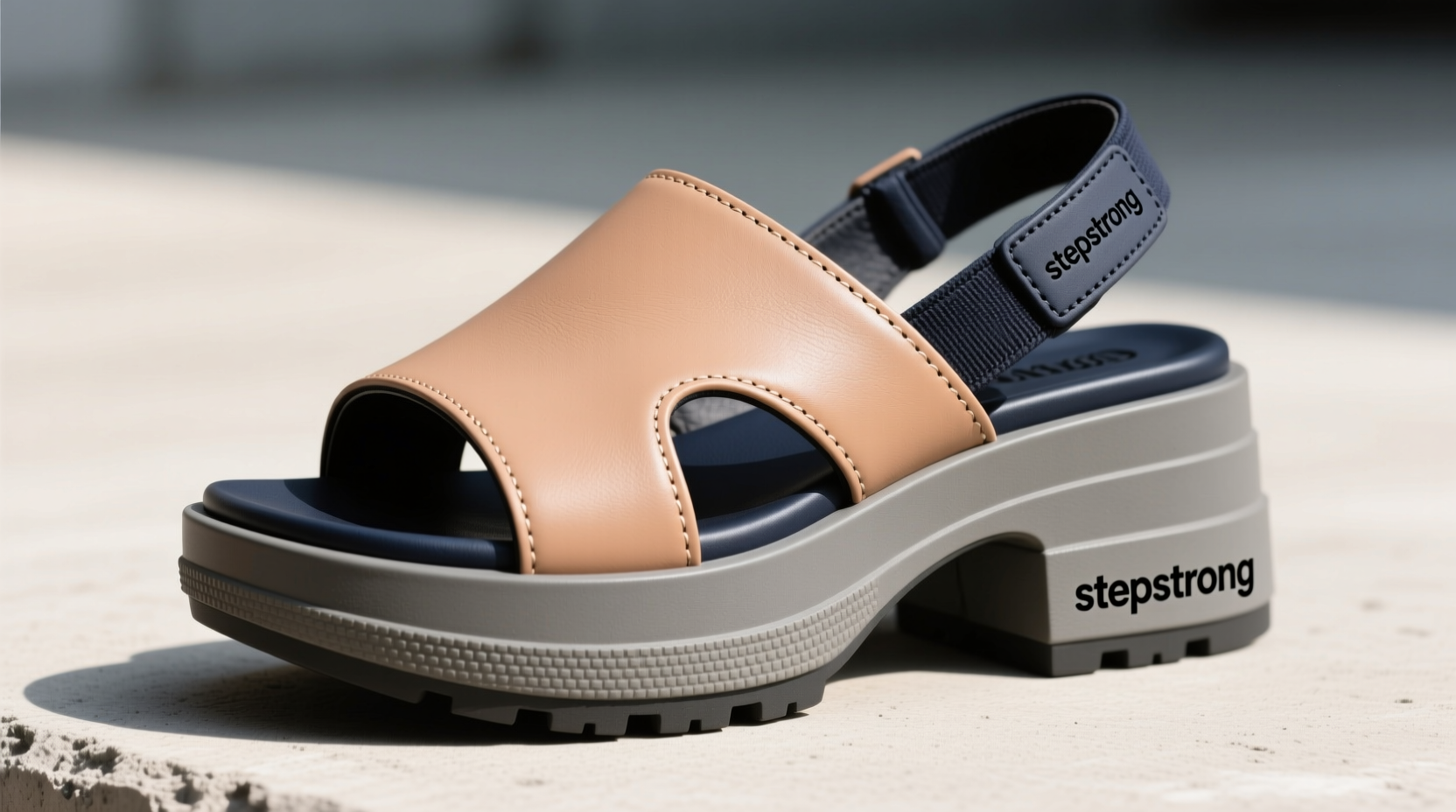
Durability in footwear isn’t just about resisting scuffs—it’s about withstanding repeated stress, maintaining structural support, and preserving comfort over time. In chunky platform slides, several components contribute to long-term resilience: the outsole, midsole, footbed, strap (if present), and overall bonding method.
The outsole—the bottom layer that contacts the ground—should be made of rubber or another high-traction, abrasion-resistant compound. Lightweight EVA foam may feel comfortable initially but often compresses unevenly, leading to instability and premature breakdown. A thick yet flexible rubber outsole provides grip and resists wear on sidewalks, pavement, and tile.
The midsole, which forms the platform itself, should balance cushioning with firmness. Overly soft midsoles may feel plush at first but tend to deform under body weight, especially for those who walk frequently in their slides. Look for models with dual-density foam: softer near the footbed for comfort, firmer toward the base for stability.
Tip: Tap the sole with your finger—if it dents deeply and slowly rebounds, it may lack structural integrity.Material Quality: Beyond Aesthetics
Style often drives initial interest, but material choice determines lifespan. Leather, particularly full-grain or top-grain, remains one of the most durable options for uppers and straps. It molds to the foot over time, resists tearing, and ages gracefully with proper care. Avoid bonded leather or synthetic “faux leather,” which tends to peel, crack, and degrade quickly when exposed to moisture or UV light.
For non-leather alternatives, look for reinforced textiles like canvas with rubberized backing or engineered knit fabrics designed for athletic footwear. These materials offer breathability and flexibility while maintaining strength. Some premium brands now use recycled PET-based uppers that rival traditional synthetics in durability.
The footbed—the part your foot rests on—is equally critical. Memory foam may sound appealing, but without a supportive base layer, it flattens rapidly. Opt for footbeds with closed-cell foam or cork cores. Cork conforms to your arch over time and naturally resists odor and moisture.
“Durability starts with the foundation. A well-constructed slide uses layered materials, not just thick ones.” — Lena Torres, Footwear Engineer & Product Developer
Construction Techniques That Matter
A shoe can have excellent materials but fail due to poor assembly. Two primary methods dominate platform slide construction: cemented and molded (also called direct-injected).
- Cemented: The upper is glued to the sole using industrial adhesives. When done correctly with heat activation, this method allows flexibility and repairability.
- Molded/Direct-Injection: The sole is liquid-poured around the upper and hardens into a single unit. This creates a seamless, waterproof bond highly resistant to separation.
Molded construction generally offers superior longevity, especially for heavy platforms. However, poorly executed cemented bonds can delaminate after only a few months. Check for even glue lines and no visible gaps between layers.
Stitching, if present, should be tight and double-stitched at stress points like strap attachments. Single-thread stitching unravels easily under tension. Reinforced anchor points where straps meet the sole prevent sagging or detachment—a common failure point in budget designs.
Do’s and Don’ts of Slide Construction
| Do | Don’t |
|---|---|
| Choose molded or heat-activated cemented soles | Select shoes with visibly uneven glue application |
| Look for reinforced strap anchors | Buy slides with flimsy, thin stitching at joints |
| Test sole flexibility by gently twisting the shoe | Ignore signs of weak midsole compression |
| Check for smooth transitions between sole layers | Overlook sharp edges or rough seams inside the footbed |
Finding the Right Fit for Long-Term Comfort
No matter how durable the build, a poorly fitting slide will cause discomfort and accelerate wear. Unlike strapped sandals, most platform slides rely on heel containment and arch alignment to stay secure. If your heel slips excessively, the shoe works against your gait, causing unnatural movement and strain on both foot and structure.
When trying on slides, walk on a hard surface for at least five minutes. Pay attention to:
- Heel lift (more than 5mm indicates poor fit)
- Toe overhang (your toes should not hang off the front)
- Lateral stability (no wobbling side-to-side)
- Arch contact (especially important for all-day wear)
Brands vary significantly in sizing. Some run large, others narrow. Read customer reviews specifically mentioning fit and break-in period. If buying online, prioritize retailers with free returns so you can test multiple sizes.
Tip: Try on slides in the afternoon when feet are slightly swollen—this mimics real-world conditions.Real-World Example: From Fashion Fad to Daily Driver
Sophia, a graphic designer in Austin, purchased two pairs of chunky slides during summer sale season—one from a fast-fashion brand, another from a heritage clog maker. The first pair, priced at $35, featured a soft EVA sole and synthetic upper. Within six weeks of moderate weekend use, the sole began separating from the footbed, and the strap cracked at the attachment point.
The second pair, costing $120, used molded polyurethane soles, a leather-wrapped footbed, and integrated strap design. After eight months of regular use—including walking to cafes, running errands, and travel—there was no sign of wear beyond minor surface scuffing. Sophia noted, “The expensive pair felt heavier at first, but now I can’t imagine wearing anything else.” Her experience underscores that upfront investment often translates to years of reliable service.
Maintenance Habits That Extend Lifespan
Even the best-made slides require basic care to maintain performance. Simple routines prevent premature aging and keep them looking fresh.
- Clean regularly: Wipe down after each wear with a damp cloth. For deeper cleaning, use a mild soap solution and soft brush—avoid soaking.
- Dry properly: Never leave wet slides in direct sunlight or near heaters. Allow them to air-dry at room temperature to prevent warping.
- Rotate usage: Avoid wearing the same pair two days in a row. This gives materials time to recover and reduces fatigue.
- Store wisely: Keep in a cool, dry place away from humidity. Use shoe trees or stuff with tissue to maintain shape.
- Reinforce when needed: Small cracks in soles can sometimes be sealed with rubber patch adhesive before they worsen.
Essential Checklist Before Buying
- ✅ Outsole made of rubber or durable composite
- ✅ Midsole firm enough to resist thumb indentation
- ✅ Upper constructed from genuine leather or high-grade textile
- ✅ Seamless or well-bonded construction between layers
- ✅ Secure strap attachment with reinforcement
- ✅ Footbed with arch contour and moisture-wicking lining
- ✅ Heel fits snugly without pinching
- ✅ No sharp internal seams or rough edges
Frequently Asked Questions
Can chunky platform slides be worn every day?
Yes, but only if they’re built for daily use. Look for features like shock-absorbing midsoles, supportive footbeds, and durable outsoles. Avoid ultra-lightweight or purely decorative designs for everyday wear.
How do I know if a slide is worth the price?
Evaluate materials, construction method, and brand reputation. A $90 pair with molded rubber and leather uppers typically outlasts three $30 pairs. Check return policies and warranty offerings—some premium brands offer repair or replacement programs.
Are cork footbeds durable?
High-quality cork composites are extremely durable and mold to your foot over time. However, low-grade cork can crumble or absorb moisture. Ensure the cork is sealed with a protective coating and avoid prolonged exposure to water.
Final Thoughts: Style Shouldn’t Come at the Cost of Substance
Chunky platform slides don’t have to be a compromise between trendiness and practicality. With careful selection, you can own a pair that enhances your outfit today and supports your stride for seasons to come. Prioritize smart construction, authentic materials, and a fit that feels natural—not forced. The most stylish slide isn’t the one that turns heads on day one, but the one still turning heads a year later, unworn by time.
🚀 Ready to upgrade your footwear game? Revisit your current collection, apply these criteria, and invest in a pair that truly earns its place in your closet. Share your favorite durable slide brands or care tips in the comments below.