Selecting the right Apple Watch band isn’t just about matching your outfit—it’s about achieving a seamless blend of comfort, functionality, and aesthetics. A poorly fitting band can cause discomfort during workouts, slip around your wrist during daily wear, or even damage your device over time. With dozens of band styles, materials, and sizes available, choosing the correct fit requires more than guesswork. Understanding your wrist dimensions and how different bands interact with your Apple Watch model ensures you get both lasting comfort and personalized style.
Understand Apple Watch Sizing Basics
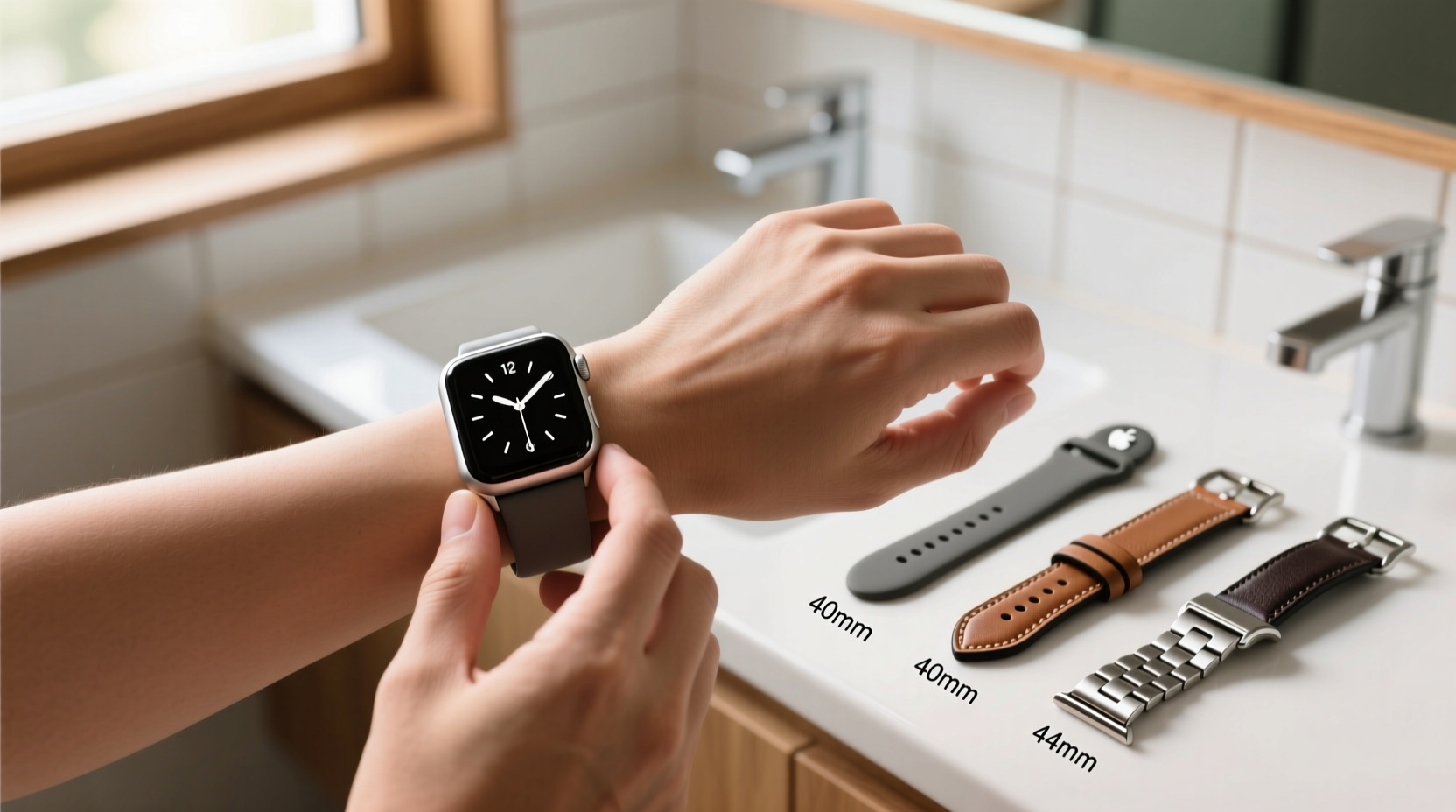
Before measuring your wrist, it's essential to know which Apple Watch case size you own. The band must be compatible with your watch’s physical dimensions. As of recent models, Apple offers two primary case sizes: 41mm and 45mm (replacing the older 38mm and 42mm). While bands are interchangeable between same-sized generations, they are not cross-compatible across sizes. For example, a 41mm band will not properly attach to a 45mm watch.
Apple categorizes bands into three general fit types:
- Small – Designed for wrists measuring 140–180mm
- Medium – Fits wrists from 160–200mm
- Large – Best for wrists 180–220mm+
Note that many bands come in Small/Medium and Medium/Large options, offering adjustable fit through multiple perforations or sliding buckles. Always check compatibility before purchasing, especially when buying third-party bands.
Tip: If you're between sizes, opt for a band with more adjustment points—this allows fine-tuning for snug yet breathable wear.Step-by-Step Guide to Measuring Your Wrist Accurately
The most reliable way to find your ideal band size is to measure your wrist circumference precisely. Follow this proven method:
- Gather tools: Use a flexible measuring tape (like a tailor’s tape) or a non-stretch string and ruler.
- Position correctly: Wrap the tape around your wrist just below the wrist bone, where you’d normally wear the watch.
- Tightness matters: Keep the tape snug but not tight—allow enough space to slide a finger underneath.
- Record measurement: Note the exact millimeter reading where the ends meet.
- Check multiple times: Measure at different times of day; body fluid retention can slightly alter wrist size.
If using a string, mark the overlap point, then lay it flat against a ruler to determine the length in millimeters. Round to the nearest 5mm increment for easier comparison with band sizing charts.
“Accurate wrist measurement eliminates guesswork and prevents common issues like chafing or slippage.” — Jordan Lee, Wearable Tech Fit Specialist
Choosing the Right Band Type for Your Lifestyle
Different activities demand different band characteristics. Selecting based on usage enhances both durability and comfort.
| Band Type | Best For | Fit Notes | Lifestyle Match |
|---|---|---|---|
| Sport Band (Fluoroelastomer) | Athletes, active users | Highly adjustable, moisture-resistant | Daily wear, workouts, swimming |
| Woven Nylon | Casual or outdoor use | Sliding buckle, breathable weave | Hiking, travel, office settings |
| Leather Loop | Formal occasions | Fits snugly; limited stretch | Business meetings, evenings out |
| Stainless Steel Link | Precision fit seekers | Adjustable links require tool | Professional environments |
| Hybrid Leather | Balanced elegance & function | Buckle closure, moderate adjustability | Weekend outings, hybrid workdays |
For instance, a runner benefits from a Sport Band’s secure grip and sweat resistance, while someone attending client meetings may prefer the polished look of a Milanese Loop or leather option. Consider how often you switch bands based on activity—many users keep multiple bands for versatility.
Mini Case Study: Finding Balance Between Comfort and Style
Sophia, a graphic designer and weekend hiker, initially bought a single stainless steel link band for her 45mm Apple Watch. She loved its sleek appearance but found it too heavy and restrictive during long hikes. After measuring her wrist at 172mm, she realized the band was slightly oversized and slipped during movement. She switched to a nylon band with a micro-adjustable clasp, allowing her to tighten it securely without pressure points. Later, she added a leather band for studio days. By tailoring her choices to both measurement and lifestyle, Sophia improved comfort and extended her device’s usability throughout the week.
Expert Tips for Ensuring Long-Term Comfort
Even with accurate sizing, long-term comfort depends on proper wear habits and material awareness.
Tip: Rotate bands weekly to reduce skin irritation and allow materials to recover shape.- Avoid over-tightening: Bands should stay in place without leaving marks or restricting circulation.
- Clean regularly: Sweat and oils degrade silicone and fabric bands faster—rinse after intense activity.
- Watch for sensitivity: Some metals or adhesives in third-party bands may cause allergic reactions; hypoallergenic options exist.
- Check clasp security: Ensure latches click firmly and don’t loosen unexpectedly.
Additionally, if you experience tingling or numbness, the band is likely too tight. Loosen it immediately and reassess fit. Apple recommends leaving space for air circulation, particularly with closed-loop designs.
Frequently Asked Questions
Can I use an iPhone case size chart to estimate my band size?
No. iPhone case sizes are unrelated to Apple Watch band measurements. Always measure your wrist directly or consult Apple’s official band sizing guide for accuracy.
Do all third-party bands follow Apple’s sizing standards?
Not always. While reputable brands adhere closely to Apple’s specs, cheaper alternatives may have inconsistent hole spacing or clasp alignment. Stick to trusted retailers or read verified customer reviews focusing on fit.
What if my wrist is exactly at the edge of two sizes?
Choose the larger size if the band has multiple adjustment points (e.g., Sport or Woven bands). For fixed-length bands like Leather Loops, go with the size that matches your precise measurement. When in doubt, consult Apple Support or visit a store for a try-on session.
Final Checklist Before Buying
Use this quick checklist to ensure you make the right choice:
- ✅ Know your Apple Watch case size (41mm or 45mm)
- ✅ Measure your wrist accurately in millimeters
- ✅ Identify your primary use case (fitness, formal, casual)
- ✅ Verify band compatibility with your model
- ✅ Choose material based on climate and skin sensitivity
- ✅ Confirm return policy in case of sizing issues
Conclusion: Make Every Wear Count
Your Apple Watch is more than a gadget—it’s an extension of your daily rhythm, health tracking, and personal expression. Taking the time to measure correctly and select thoughtfully ensures every interaction with your device feels effortless. Whether you’re sprinting through a trail run or presenting in a boardroom, the right band supports both performance and presence. Don’t settle for “close enough.” Invest a few minutes in precision now, and enjoy years of comfortable, confident wear.
💬 Found your perfect fit? Share your band journey or tips in the comments—help others discover comfort and style that lasts.