When it comes to managing your hair on busy days, two accessories dominate the scene: headbands and hair ties. Both offer quick solutions for taming flyaways, securing updos, or simply adding a touch of style. But beneath their convenience lies an important question—especially for those prioritizing hair health: Which is actually gentler on your strands? While hair ties are often seen as the default choice, they may not always be the best option. The truth depends on how you use them, the materials involved, and your hair type.
The Mechanics of Hair Stress
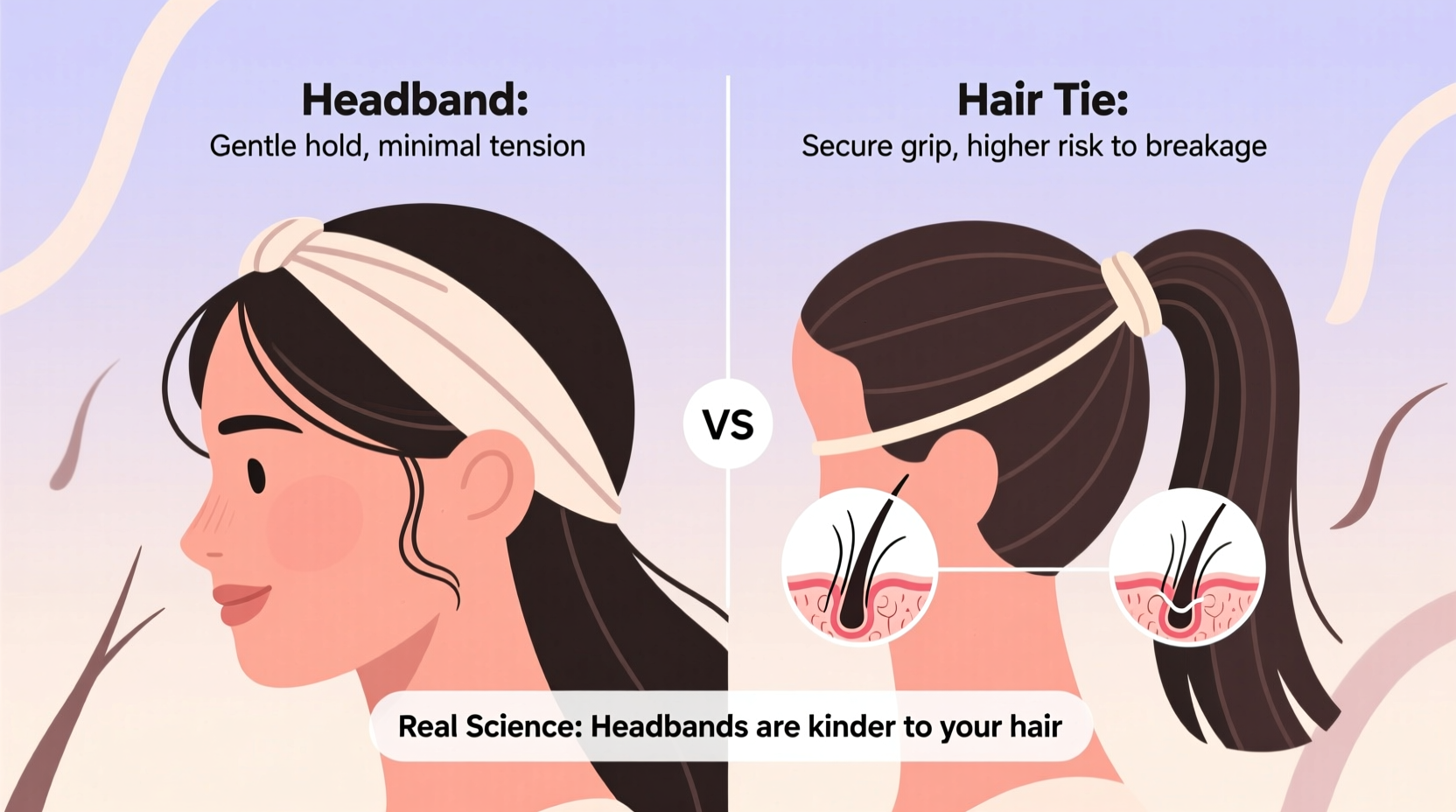
Hair damage doesn’t just come from heat styling or chemical treatments. Mechanical stress—caused by pulling, friction, and tension—is a major contributor to breakage, split ends, and even traction alopecia over time. Accessories that grip or bind hair can create this stress, particularly when used incorrectly or too tightly.
Hair ties work by encircling a section of hair, creating constant pressure along the length of the ponytail base. This compression, especially with elastic bands made of rough materials, can weaken the cuticle and cause micro-tears in the hair shaft. In contrast, headbands typically sit on top of or around the head without fully constricting the hair, distributing pressure more evenly across the scalp.
“Repeated tension at the same point—like the crown or nape—can lead to irreversible hairline recession. Choosing low-tension accessories is critical.” — Dr. Lena Patel, Trichologist & Hair Health Specialist
Pros and Cons: Headbands vs Hair Ties
Each accessory serves different needs, but their impact on hair varies significantly based on design, material, and usage habits.
Headbands: The Gentle Alternative?
Headbands are generally considered less damaging because they don’t pull hair into a tight bundle. Instead, they hold hair back or in place with minimal strain. Fabric-covered, padded, or wide headbands are especially kind to delicate strands and edges.
- Advantages: Reduce tension, protect baby hairs, no rubber to snag hair, suitable for daily wear
- Drawbacks: May slip off active hair types, less secure for intense movement, limited styling versatility
Hair Ties: Convenience at a Cost?
Hair ties excel in functionality. They’re ideal for high ponytails, buns, and workouts. However, traditional elastics with metal clasps or thin rubber can cause significant damage. The real issue isn't the concept of tying hair—it's *how* it's done.
- Advantages: Secure hold, versatile styles, easy to carry, effective for thick or long hair
- Drawbacks: High tension points, risk of snagging, potential for breakage if too tight or low-quality
Material Matters: What You Wear Is as Important as How You Wear It
Not all headbands or hair ties are created equal. The material plays a crucial role in determining whether an accessory supports or harms your hair.
| Accessory Type | Best Materials | Materials to Avoid |
|---|---|---|
| Headbands | Silk, velvet, soft fabric, silicone-grip (non-metal) | Rough plastic, thin metal, cracked or jagged edges |
| Hair Ties | Satin-scrunchies, spiral coils, fabric-wrapped elastics | Bare rubber bands, thin elastics with metal clasps |
For example, a silk scrunchie creates far less friction than a standard elastic. Similarly, a wide, cushioned headband prevents edge thinning compared to a narrow plastic one that digs into the hairline.
Real-Life Scenario: The Daily Commuter’s Dilemma
Meet Sarah, a 32-year-old teacher with shoulder-length wavy hair. Every morning, she pulls her hair into a high ponytail using a thin elastic with a metal clasp. By midday, her hair feels strained, and she notices increased shedding around her temples. After six months, her front hairline begins to look thinner.
She switches to a wide velvet headband during teaching hours and reserves satin scrunchies for loose half-up styles. Within three months, she reports less breakage, reduced scalp tenderness, and visible improvement in her hairline density. Her stylist confirms that eliminating constant tension allowed her follicles to recover.
This case illustrates how small changes in accessory choice can yield measurable improvements in hair health—especially when worn for extended periods.
Step-by-Step Guide to Safer Hair Styling
You don’t have to give up hair ties entirely. With mindful practices, you can enjoy both accessories while protecting your hair. Follow this timeline to minimize damage:
- Morning (5 min): Choose a low-tension style. Use a silk headband for everyday wear or a satin scrunchie for a loose ponytail.
- Midday (2 min): Loosen tight styles. If wearing a ponytail, gently release and re-tie lower and looser.
- Evening (3 min): Remove all accessories before sleeping. Never sleep with a hair tie in—this increases breakage risk overnight.
- Weekly (10 min): Inspect your accessories. Discard any with fraying fabric, exposed rubber, or sharp edges.
- Monthly: Give your scalp a break. Go “accessory-free” for at least two days to relieve accumulated tension.
Checklist: Choosing Hair-Friendly Accessories
- ✅ No exposed metal parts or rough seams
- ✅ Wide surface area to distribute pressure
- ✅ Soft, smooth materials (silk, satin, velvet, coated fabric)
- ✅ No excessive stretch or tightness
- ✅ Designed for your hair type (e.g., extra grip for curly hair, gentle hold for fine hair)
Frequently Asked Questions
Can headbands cause hair loss?
Generally, no—if used correctly. However, consistently wearing tight headbands, especially narrow ones that pull on the edges, can contribute to traction alopecia over time. Opt for wider, padded styles and avoid wearing them tightly for hours.
Are scrunchies better than regular hair ties?
Yes, especially if made from silk or satin. Scrunchies cover more surface area and reduce direct pressure on the hair. They’re less likely to snag or create kinks. Just avoid overtightening, even with softer materials.
Is it okay to wear a hair tie every day?
It can be, as long as you use a gentle version (like a coil or satin tie) and vary the placement. Constantly pulling hair into the same spot—even with a soft tie—can still lead to weakening. Rotate between low buns, loose clips, and headbands to prevent repetitive strain.
Conclusion: Balance Functionality with Hair Integrity
The debate isn’t about which accessory is universally better—it’s about making informed choices based on your hair’s needs. Hair ties aren’t inherently worse than headbands; it’s the quality, fit, and frequency of use that determine their impact. For long-term hair health, prioritize low-tension options, rotate your styling methods, and listen to your scalp’s signals.
Whether you reach for a headband on casual days or a scrunchie for a sleek look, the goal is to support your hair—not compromise it. Small adjustments today can prevent thinning, breakage, and styling fatigue tomorrow.
💬 Have a favorite hair-friendly accessory? Share your go-to style or brand in the comments—your tip could help someone else protect their hair while staying stylish!








