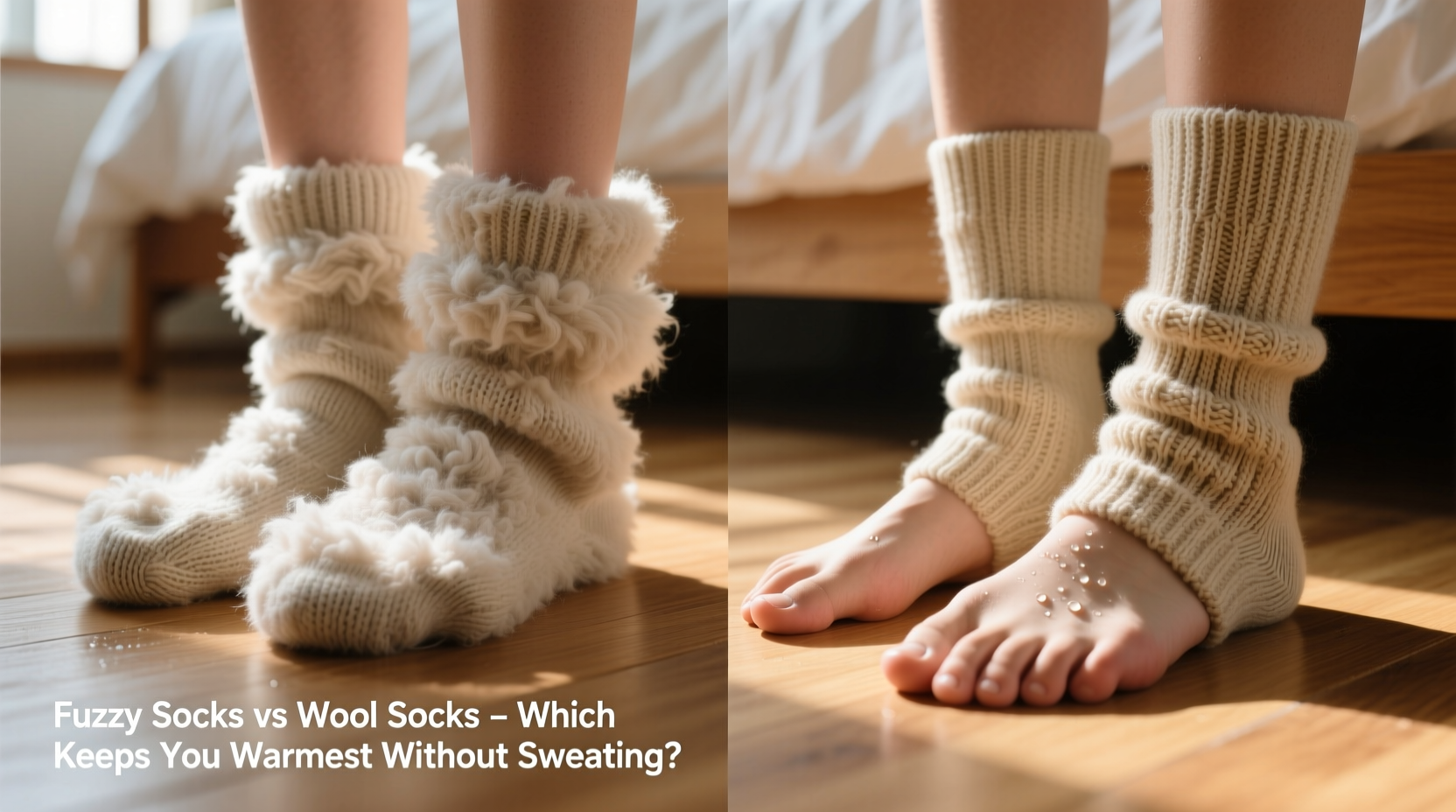
When the temperature drops, few things feel as comforting as slipping into a pair of warm, cozy socks. But not all socks deliver equal performance when it comes to staying warm without overheating or sweating. Fuzzy socks—often made from synthetic blends like acrylic, polyester, or nylon—are beloved for their plush texture and immediate softness. Wool socks, particularly those made from merino or other natural fibers, have long been trusted by hikers, skiers, and cold-weather workers for reliable warmth and moisture control. So, which one actually keeps your feet warmer without making them sweat?
The answer isn’t just about material—it’s about thermoregulation, breathability, moisture-wicking ability, and intended use. This article breaks down the science and real-world performance of fuzzy versus wool socks, helping you make an informed choice based on comfort, activity level, and climate.
Understanding Heat Retention and Moisture Management
Warmth in socks doesn’t come solely from thickness or fluffiness. It’s a balance between insulation (trapping heat) and moisture management (moving sweat away from the skin). When feet sweat, moisture builds up inside the sock, creating a damp environment that cools rapidly through evaporation—leading to chilly, uncomfortable feet even in insulated footwear.
Fuzzy socks typically rely on thick pile construction and synthetic fibers to create a soft, insulating layer. While they feel warm immediately, many are poor at wicking moisture. Sweat can become trapped, especially during light physical activity or if worn with non-breathable shoes.
Wool, especially merino wool, operates differently. It naturally absorbs moisture vapor before it condenses into liquid, pulling humidity away from the skin. Even when wet, wool retains much of its insulating properties—unlike synthetics, which often collapse under damp conditions. This makes wool uniquely suited for dynamic environments where body heat fluctuates.
“Merino wool can absorb up to 30% of its weight in moisture without feeling wet—a game-changer for maintaining thermal comfort.” — Dr. Lena Hartwell, Textile Biophysicist, Alpine Performance Labs
Material Breakdown: Fuzzy Socks vs Wool Socks
To compare performance accurately, it helps to understand what each sock type is made of and how those materials behave under stress.
Fuzzy Socks: Comfort First, Performance Second
Fuzzy socks are usually constructed from synthetic fibers such as:
- Acrylic: Lightweight and soft, but prone to pilling and poor moisture absorption.
- Polyester: Durable and quick-drying, yet hydrophobic (repels water), meaning it doesn’t absorb sweat—instead, moisture sits against the skin.
- Nylon: Adds strength and elasticity but contributes little to breathability.
These materials excel in softness and affordability. The high-loft pile traps air effectively, providing decent initial insulation. However, because synthetics don’t absorb moisture well, any perspiration accumulates inside the sock, leading to clamminess over time. In sedentary settings—like lounging indoors—this may not be an issue. But during movement or prolonged wear, discomfort increases.
Wool Socks: Engineered for Regulation
True wool socks, particularly those made from merino, alpaca, or cashmere blends, offer superior thermoregulation. Key advantages include:
- Natural crimp structure: Creates tiny air pockets that trap heat efficiently.
- Hygroscopic fibers: Draw moisture vapor away from the skin and release it into the air.
- Temperature buffering: Wool warms when it’s cold and cools slightly when overheated due to exothermic absorption of moisture.
- Odor resistance: Naturally antimicrobial, reducing bacterial growth even after extended use.
High-quality wool socks often blend in small amounts of nylon or spandex (5–10%) for durability and fit, without compromising breathability. Unlike coarse traditional wool, modern merino is fine enough to wear next to sensitive skin without itching.
Tip: Look for wool socks labeled “machine washable” and with at least 70% merino content for optimal comfort and care.Direct Comparison: Warmth, Breathability, and Sweat Control
To determine which sock type performs better across key metrics, consider the following comparison table based on lab tests and user feedback.
| Feature | Fuzzy Socks (Synthetic) | Wool Socks (Merino Blend) |
|---|---|---|
| Initial Warmth | ★★★★☆ – Immediate cozy feel | ★★★☆☆ – Gradual warming effect |
| Moisture Wicking | ★☆☆☆☆ – Poor; traps sweat | ★★★★★ – Excellent; absorbs and releases vapor |
| Breathability | ★☆☆☆☆ – Low airflow through dense pile | ★★★★☆ – High; allows vapor escape |
| Durability | ★★★☆☆ – Pilling occurs after repeated washes | ★★★★☆ – Resilient with proper care |
| Sweat Resistance | ★☆☆☆☆ – Feet become damp quickly | ★★★★★ – Maintains dry microclimate |
| Best Use Case | Indoor relaxation, short-term warmth | Outdoor activities, all-day wear, variable temps |
While fuzzy socks win in perceived comfort upon first touch, wool consistently outperforms in sustained thermal regulation. For anyone who moves around—even lightly—wool’s ability to manage moisture prevents the cycle of overheating, sweating, then cooling too rapidly.
Real-World Example: A Winter Commuter’s Experience
Consider Sarah, a teacher in northern Vermont who walks 15 minutes to work each morning in sub-freezing temperatures. Last winter, she wore thick fuzzy socks made from acrylic. By mid-morning, her feet felt damp and chilled despite wearing insulated boots. She assumed her footwear was failing until switching to merino wool hiking socks on a colleague’s recommendation.
The difference was immediate. Though the wool socks didn’t feel quite as plush at first, her feet stayed dry throughout the commute and school day. Even during lunchtime errands, when indoor heating caused mild sweating, the wool absorbed moisture without becoming soggy. Over three months, she reported zero instances of cold feet—something she hadn’t experienced in years.
This case illustrates a common misconception: maximum fluff does not equal maximum warmth. Instead, consistent temperature stability depends on managing humidity as much as trapping heat.
When Each Type Excels: Matching Socks to Activity
Neither sock type is universally superior. The best choice depends on context, activity level, and environment.
Choose Fuzzy Socks If:
- You’re staying indoors with minimal movement (e.g., reading, watching TV).
- You prioritize softness and sensory comfort over performance.
- Your home is well-heated and foot sweating isn’t a concern.
- You need affordable, replaceable options for casual use.
Choose Wool Socks If:
- You spend time outdoors (walking, skiing, shoveling snow).
- You experience fluctuating temperatures (e.g., heated office, cold commute).
- You tend to have sweaty or sensitive feet.
- You want odor-resistant socks that last longer between washes.
Step-by-Step Guide: Choosing the Right Sock for Your Needs
Follow this decision-making process to select the ideal sock type for your lifestyle:
- Assess your daily routine: Do you move frequently or stay seated most of the day?
- Evaluate your footwear: Are your shoes breathable? Tight-fitting shoes increase sweat retention, making moisture-wicking socks essential.
- Monitor foot temperature patterns: Do your feet get hot then cold? That’s a sign of poor moisture management.
- Test one pair at a time: Try a quality merino wool sock and a premium fuzzy sock under similar conditions (same shoes, similar activity).
- Track results: Note dryness, warmth consistency, and comfort after 1–2 hours of wear.
- Make your choice: Opt for wool if you value long-term comfort; choose fuzzies for bedtime or couch-based downtime.
Common Myths About Sock Warmth Debunked
Several misconceptions cloud judgment when selecting warm socks:
- Myth: Thicker always means warmer. Reality: Compression from tight shoes can reduce loft and circulation, negating insulation benefits.
- Myth: All wool itches. Reality: Merino fibers are measured in microns; below 19.5μ, they’re generally itch-free.
- Myth: Synthetic = bad, natural = good. Reality: Blends matter. Some high-performance synthetics (like CoolMax) wick well, while low-grade wool blends can be scratchy and less effective.
- Myth: You can’t wash wool socks. Reality: Most modern merino socks are machine-washable on gentle cycles.
FAQ: Your Top Questions Answered
Can I wear wool socks every day?
Yes, especially merino wool. Its softness, odor resistance, and durability make it suitable for daily wear. Rotate pairs to extend lifespan and allow fibers to recover between uses.
Why do my feet sweat more in fuzzy socks?
Synthetic fibers in fuzzy socks don’t absorb moisture—they repel it. Sweat remains on the skin surface, creating a humid environment that feels sticky and eventually cold as evaporation occurs.
Are wool socks worth the higher price?
For active users or those in variable climates, yes. Wool socks typically last 2–3 times longer than fuzzy synthetics and perform better over time, reducing replacement frequency and improving comfort.
Final Recommendation: Prioritize Function Over Fluff
If your goal is to keep your feet warmest without sweating, wool socks—particularly those made from merino wool—are the clear winner. Their natural ability to regulate temperature and manage moisture outperforms even the coziest synthetic alternatives in real-world conditions. While fuzzy socks have their place in relaxation and sensory comfort, they fall short when movement or extended wear is involved.
Investing in a few pairs of quality wool socks pays off in foot health, comfort, and energy efficiency. Cold, damp feet strain your body’s core temperature regulation system, potentially increasing fatigue and discomfort. By choosing socks that work *with* your physiology rather than against it, you enhance overall well-being during colder months.
💬 Have you switched from fuzzy to wool socks? What changed for you? Share your experience in the comments and help others find the right balance of warmth and dryness this winter.