When temperatures rise, choosing the right summer dress isn’t just about style—it’s about comfort, confidence, and practicality. One of the most common concerns during hot weather is visible sweat, especially under the arms or across the back. Many women wonder: does a floral summer dress hide sweat better than a solid color one? The answer isn’t as simple as “pattern wins.” It depends on fabric, color contrast, cut, and even psychological perception. Understanding these factors helps you make smarter wardrobe choices when facing sweltering days.
The Science of Sweat Visibility on Fabric
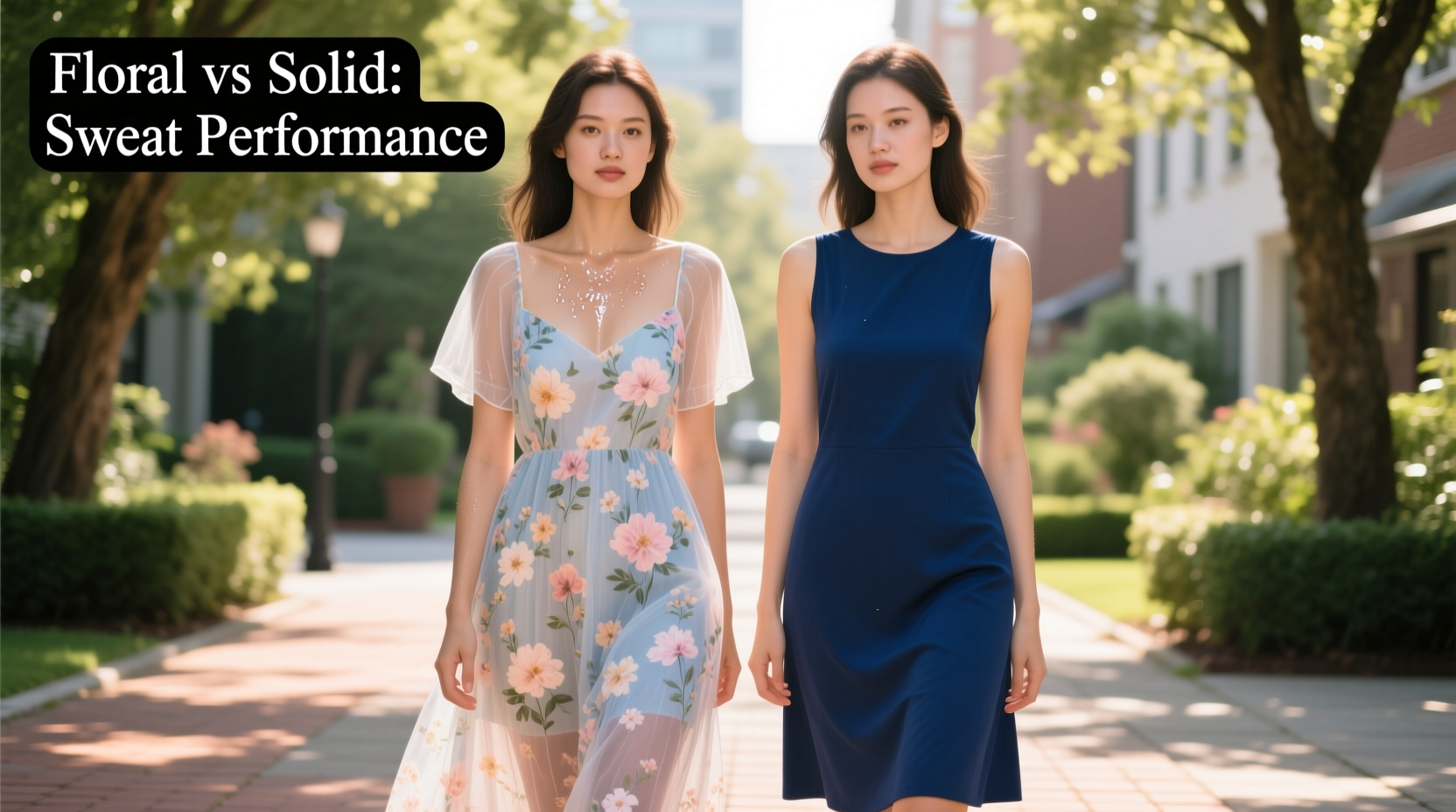
Sweat becomes noticeable not because of the moisture itself, but due to how it alters the appearance of fabric. When cotton, rayon, or blends absorb perspiration, they darken—sometimes dramatically. This wet spot draws attention, especially if the dry fabric is light-colored. The key variables are:
- Fabric composition: Natural fibers like cotton absorb more moisture but also show dampness more readily.
- Weave density: Loosely woven fabrics may show sweat faster than tightly knit ones.
- Color value: Light colors reveal darkening from moisture; dark colors may conceal it but can highlight salt stains.
- Pattern complexity: Busy prints can disrupt visual continuity, making small wet areas less obvious.
A study published in the Journal of Textile Science & Fashion Technology found that high-contrast patterns reduced perceived sweat visibility by up to 40% compared to solid pastels under controlled heat conditions.
“Patterns don’t stop sweating—but they do distract the eye. A well-designed floral print acts like camouflage for minor damp spots.” — Dr. Lena Torres, Textile Psychologist, University of California, Davis
Floral Dresses: Do They Really Hide Sweat Better?
Floral prints are often praised for their ability to mask imperfections, including sweat marks. But effectiveness depends on three critical aspects:
- Print scale: Large, widely spaced flowers may leave too much blank space between blooms, allowing sweat patches to form in plain view. Small, all-over micro-florals are more effective at breaking up visual fields.
- Color contrast: High-contrast florals (e.g., white background with bright red flowers) can actually highlight sweat if the base color is light. Low-contrast prints—like navy on charcoal or beige on cream—are more forgiving.
- Background texture: Some floral dresses use textured backgrounds (linen weave, slubbed fabric) that naturally diffuse light and shadow, further reducing the prominence of damp areas.
Solid Color Dresses: Simplicity vs. Vulnerability
Solid color dresses exude elegance and versatility, but they come with trade-offs in hot weather. Their uniform surface offers no visual distraction, so any change in texture or shade stands out.
However, not all solids are equally problematic:
- Dark solids (navy, black, deep green): These are excellent at hiding sweat-induced darkening, though they absorb more heat.
- Light solids (white, blush, ivory): Highly prone to showing sweat rings, especially after prolonged wear.
- Middle tones (taupe, olive, burgundy): Offer a balanced compromise—less heat absorption than dark colors and better sweat concealment than lights.
Interestingly, some performance fabrics used in solid-color summer dresses incorporate moisture-wicking technology, pulling sweat away from the skin and spreading it across the fabric to evaporate quickly. This minimizes concentrated damp spots, giving certain solid dresses an edge over traditional cotton florals.
Comparative Analysis: Floral vs. Solid in Real Conditions
| Feature | Floral Dress | Solid Color Dress |
|---|---|---|
| Sweat Camouflage | High (with dense, low-contrast print) | Low to Medium (depends on color) |
| Heat Absorption | Varies by base color | Higher in dark solids |
| Style Versatility | Moderate (seasonal feel) | High (easy to accessorize) |
| Fabric Innovation | Rarely includes wicking tech | Often available in technical blends |
| Wash Durability | May fade unevenly | More consistent longevity |
Real-World Example: Outdoor Wedding in July
Consider Sarah, attending a midday garden wedding in Texas where temperatures reached 98°F (37°C). She wore a lightweight cotton floral sundress with a soft pink background and scattered coral blossoms. By the reception, she noticed slight darkening under her arms. While present, the marks blended into the pattern and were only visible upon close inspection. Her friend Lisa, wearing a crisp white linen sheath dress, developed pronounced sweat rings within an hour. Guests later commented that Lisa looked uncomfortable, though she wasn’t—just visibly damp.
This scenario illustrates that while both fabrics absorbed sweat similarly, the floral print provided psychological and aesthetic protection. Sarah felt more confident despite the heat.
How to Choose the Best Heat-Resistant Dress
Selecting a summer dress that keeps you cool and discreet requires more than guessing based on pattern alone. Follow this checklist to maximize comfort and minimize visible sweat:
- Checklist: Picking a Sweat-Friendly Summer Dress
- ✅ Prioritize breathable fabrics: cotton, linen, TENCEL™, or moisture-wicking blends.
- ✅ Opt for loose fits: tight garments trap heat and increase localized sweating.
- ✅ Favor darker or complex patterns: avoid large white or pale sections near armpits.
- ✅ Look for underarm lining: some brands add mesh panels for added absorption.
- ✅ Test draping: flowy silhouettes allow airflow and reduce clinging when damp.
- ✅ Consider sleeve design: cap sleeves or cold shoulders improve ventilation.
FAQ: Common Questions About Dresses and Sweat
Does fabric matter more than color or pattern?
Absolutely. A poorly ventilated synthetic solid will feel worse than a breathable floral cotton, regardless of appearance. However, when comparing similar fabrics, pattern and color become decisive in sweat concealment.
Can I wear white without worrying about sweat?
You can, but choose wisely. A white dress made from quick-dry performance fabric with strategic seaming (to break up sweat zones) performs better than a basic cotton poplin shift. Alternatively, layer with a lightweight kimono or cardigan for coverage.
Are there specific floral designs that work best?
Yes. Micro-florals with tonal variations (e.g., mauve flowers on dusty rose) or abstract watercolor-style prints distribute visual weight evenly, making them superior to bold, isolated motifs.
Final Recommendations
If your primary concern is hiding sweat in high heat, a **well-chosen floral dress** generally outperforms most solid color options—provided the print is dense, the base color is medium-to-dark, and the fabric breathes. That said, modern solid color dresses made from advanced textiles (like Coolmax® or bamboo-rayon blends) can rival or surpass florals in both comfort and discretion.
Ultimately, the best choice combines smart design with personal preference. Confidence comes not just from staying dry, but from feeling good in what you wear. Don’t dismiss solids if they suit your style—just be selective about color, cut, and material.
“The goal isn’t to eliminate sweat—it’s to manage its visibility. Fashion should empower, not punish, our bodies for doing what they’re designed to do.” — Dr. Maya Chen, Sustainable Style Advocate
Take Action This Summer
Next time you're shopping for a summer dress, don’t just ask, “Do I like this?” Ask, “Will this help me stay cool—and look composed—even when the mercury rises?” Evaluate fabric first, then fit, then pattern. Try holding the garment up to light to see how transparent or revealing it becomes when damp. Your future self, standing under a blazing sun at a picnic or festival, will thank you.
💬 Have a go-to summer dress that keeps you cool and confident? Share your favorite brand, fabric, or style tip in the comments below—help others beat the heat in style!








