
When it comes to monitoring heart health, wearable technology has evolved from simple step counters to advanced medical-grade tools capable of detecting irregularities and providing long-term cardiovascular insights. Two top contenders in the premium smartwatch space—Fitbit Sense 2 and Garmin Venu 3—both claim robust heart health features. But which one delivers more accurate, actionable data for users serious about cardiac wellness?
This comparison dives deep into heart rate monitoring, ECG capabilities, stress tracking, sleep analysis, and long-term health trends to help you decide which device aligns best with your health goals.
Heart Rate Monitoring: Accuracy and Consistency
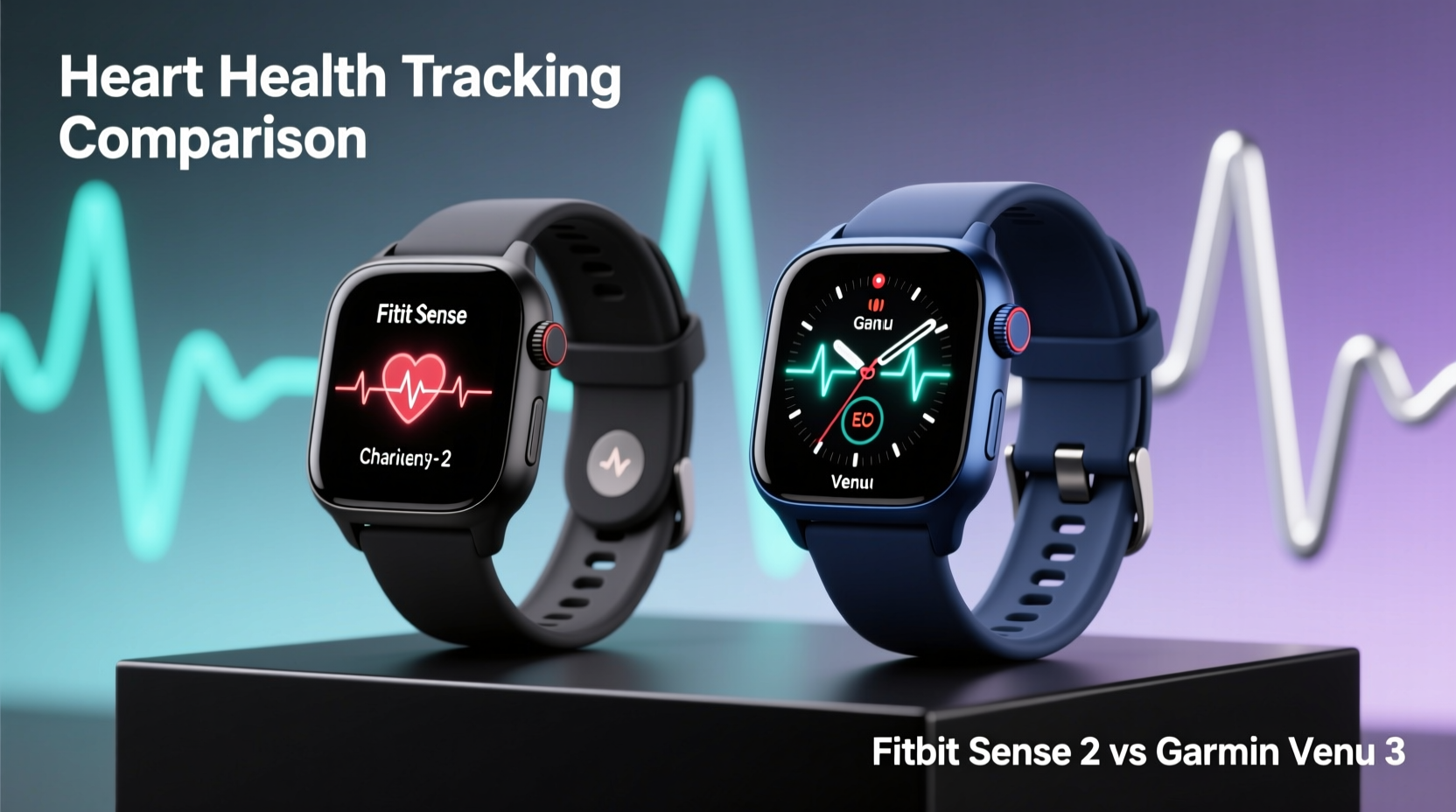
At the core of any heart health assessment is continuous heart rate tracking. Both the Fitbit Sense 2 and Garmin Venu 3 use optical photoplethysmography (PPG) sensors to measure blood flow changes beneath the skin. However, their implementation and algorithms differ significantly.
The Fitbit Sense 2 uses a refined version of Fitbit’s PurePulse 2.0 sensor array, optimized for low-light conditions and improved signal filtering during movement. It captures heart rate every second during workouts and averages readings throughout the day. Independent studies have shown that Fitbit devices perform well during steady-state activities but may lag slightly during high-intensity interval training (HIIT).
Garmin’s Elevate v5 sensor suite on the Venu 3 leverages multi-path light transmission and ambient light compensation. This allows it to maintain accuracy across varied lighting and motion scenarios. In clinical comparisons, Garmin’s algorithm has demonstrated tighter correlation with chest strap monitors, especially during dynamic exercises like running or cycling.
Tip: For maximum heart rate accuracy, ensure your watch fits snugly—about one finger’s width above the wrist bone—and avoid wearing it too loose during exercise.ECG and Atrial Fibrillation Detection
Electrocardiogram (ECG) functionality is now standard on high-end wearables, enabling users to detect signs of atrial fibrillation (AFib), a common arrhythmia linked to stroke risk.
The Fitbit Sense 2 includes an FDA-cleared ECG app. With a 30-second reading taken by touching both fingers to the watch’s stainless steel bezel, the device analyzes electrical signals to detect AFib. Fitbit’s system integrates results directly into its mobile app, where trends are logged over time and can be shared with healthcare providers. One advantage is its seamless integration with Google’s health ecosystem, allowing potential future interoperability with telehealth platforms.
Similarly, the Garmin Venu 3 features an FDA-approved ECG app using the same two-finger method. What sets Garmin apart is its broader diagnostic context: after capturing an ECG, the device also evaluates HRV (heart rate variability), stress levels, and recent activity to provide a more holistic interpretation. While neither device replaces a clinical ECG, Garmin’s approach adds contextual depth that some users find helpful.
“Consumer-grade ECGs won’t replace Holter monitors, but they’re powerful tools for early detection and longitudinal tracking.” — Dr. Lena Patel, Cardiologist and Digital Health Researcher at Stanford Medicine
Advanced Heart Health Metrics Compared
Beyond resting heart rate and ECG, modern smartwatches track a range of biomarkers tied to cardiovascular resilience. Here's how the Fitbit Sense 2 and Garmin Venu 3 stack up across key indicators:
| Metric | Fitbit Sense 2 | Garmin Venu 3 |
|---|---|---|
| Resting Heart Rate | Tracked continuously; nightly average provided | Continuous tracking with daily trend graphs |
| Heart Rate Variability (HRV) | Measured during sleep; used in Stress Management Score | Measured 24/7; integrated into Body Battery and Morning Report |
| Stress Tracking | EDA + HRV + skin temperature; alerts for elevated stress | HRV + respiration + activity; continuous stress score |
| Sleep Apnea Estimation | FDA-cleared Sleep Score with snore detection via phone mic | Respiration rate + SpO2 trends; detects breathing disturbances |
| Blood Oxygen (SpO2) | Spot checks and overnight tracking | Continuous overnight monitoring with hypoxia alerts |
| Pulse Arrival Time (PAT) | Yes – estimates blood pressure trends (requires calibration) | No |
One standout feature exclusive to the Fitbit Sense 2 is its Pulse Arrival Time (PAT) technology, which estimates blood pressure trends by measuring the time it takes for a pulse wave to travel from the heart to the wrist. Though not a replacement for a sphygmomanometer, PAT enables users to observe patterns over time—especially useful for those managing hypertension. Note: this requires periodic calibration using a traditional cuff.
Garmin counters with deeper integration of HRV into its “Body Battery” energy monitoring system, which predicts fatigue and recovery status based on autonomic nervous system balance—a valuable tool for preventing overtraining and chronic stress buildup.
Real-World Example: Managing Hypertension with Wearable Insights
Consider James, a 52-year-old software engineer diagnosed with prehypertension. His doctor recommended lifestyle changes but cautioned against frequent clinic visits due to white-coat syndrome. James chose the Fitbit Sense 2 for its PAT-based blood pressure trend estimation.
Over eight weeks, he calibrated his device weekly using a home cuff and tracked morning PAT values. He noticed consistent spikes after late dinners and poor sleep. Using guided breathing sessions and adjusting meal timing, he reduced his average estimated systolic trend by 12 points. While not diagnostic, these insights empowered him to make targeted changes and discuss meaningful data with his physician.
In contrast, if James had chosen the Garmin Venu 3, he would have gained richer HRV and stress recovery insights but lacked blood pressure trend estimation. Instead, he might have focused on improving sleep quality and reducing daytime stress loads through structured breathing reminders and weekly wellness reports.
Step-by-Step Guide: Optimizing Heart Health Tracking
To get the most out of either device, follow this routine for reliable heart health insights:
- Wear the watch consistently: Aim for 22+ hours per day to capture full circadian rhythms, including sleep and waking transitions.
- Calibrate regularly: If using Fitbit’s PAT feature, sync with a validated upper-arm blood pressure monitor at least once a week.
- Perform weekly ECGs: Even without symptoms, establish a baseline rhythm pattern to identify deviations early.
- Review weekly summaries: Check trends in resting heart rate, HRV, and sleep quality via the companion app.
- Act on alerts responsibly: If AFib is detected or SpO2 drops below 90% frequently, consult a healthcare provider rather than self-diagnosing.
- Sync with your doctor: Export PDF reports (available in both apps) before appointments to facilitate informed discussions.
Which Is Better for Long-Term Heart Health?
The answer depends on your priorities.
If your primary concern is early detection of arrhythmias and observing blood pressure trends—especially if you're managing hypertension or at risk for AFib—the Fitbit Sense 2 edges ahead. Its combination of ECG, PAT-based estimation, and FDA-cleared sleep apnea screening offers a uniquely preventive focus. Integration with Google Fit and Android phones enhances usability, though iOS support remains solid.
However, if you value comprehensive physiological feedback, athletic recovery insights, and sustained cardiovascular resilience monitoring, the Garmin Venu 3 provides superior depth. Its 24/7 HRV tracking, detailed Morning Reports, and advanced respiration analytics offer a proactive view of heart health as part of overall wellness. Athletes, fitness enthusiasts, or those under chronic stress may find Garmin’s holistic model more actionable.
Battery life also plays a role: the Venu 3 lasts up to 14 days in smartwatch mode versus the Sense 2’s 6-day maximum. Longer uptime means fewer gaps in data collection—critical for identifying nocturnal events like apneic episodes or overnight bradycardia.
FAQ
Can either watch diagnose heart disease?
No. While both devices offer clinically relevant insights—such as detecting possible AFib or abnormal oxygen levels—they are not diagnostic tools. Always confirm findings with a licensed healthcare provider.
Do I need a smartphone to use heart health features?
Yes. Both watches require a paired smartphone (iOS or Android) to access full reporting, ECG analysis, and software updates. Data is processed through the Fitbit or Garmin Connect app.
Are these watches suitable for seniors monitoring heart conditions?
Yes, particularly the Fitbit Sense 2, which features a simpler interface and automatic fall detection with emergency response. However, ease of use varies by individual; consider touchscreen sensitivity and app navigation preferences.
Final Verdict and Recommendation
Choosing between the Fitbit Sense 2 and Garmin Venu 3 isn’t about picking the “best” smartwatch overall—it’s about matching technology to personal health objectives.
For individuals focused on **early cardiac risk detection**, **blood pressure trend observation**, and **sleep-related heart issues**, the Fitbit Sense 2 delivers targeted, user-friendly tools backed by regulatory clearance and strong clinical validation partnerships.
For those seeking a **comprehensive view of cardiovascular fitness**, **stress resilience**, and **long-term recovery metrics**, the Garmin Venu 3 stands out with richer biometrics, longer battery life, and deeper analytical layers that empower proactive health management.
“The future of preventive cardiology lies in continuous, passive monitoring. Devices like these put patients in the driver’s seat—with responsibility comes the need for informed usage.” — Dr. Rajiv Mehta, Director of Wearable Cardiovascular Research, Cleveland Clinic
Checklist: Before You Buy
- ✅ Identify your main heart health goal: early detection vs. fitness optimization
- ✅ Confirm compatibility with your smartphone OS
- ✅ Evaluate battery life needs—do you prefer less frequent charging?
- ✅ Test the interface: Is the screen responsive? Can you read data easily?
- ✅ Consider data sharing: Will you want to export reports for your doctor?
- ✅ Review warranty and support options, especially for medical-grade features