In recent years, the line between casual fashion and performance wear has blurred significantly. Once confined to gyms and outdoor trails, functional sportswear has surged into everyday wardrobes, challenging the long-standing dominance of the classic fashion T-shirt. At the same time, fashion-forward T-shirts continue to evolve with bold graphics, sustainable materials, and cultural messaging. So, which category are people actually wearing more today? The answer isn’t binary—it depends on context, lifestyle, and shifting consumer values.
While both garments remain staples, data from retail trends, fitness culture growth, and post-pandemic lifestyle changes suggest a clear tilt toward functional sportswear in daily use. Yet fashion T-shirts still hold strong in self-expression and social settings. Understanding this dynamic requires examining how functionality, comfort, branding, and cultural shifts influence what people choose to wear—and why.
The Rise of Functional Sportswear in Everyday Life
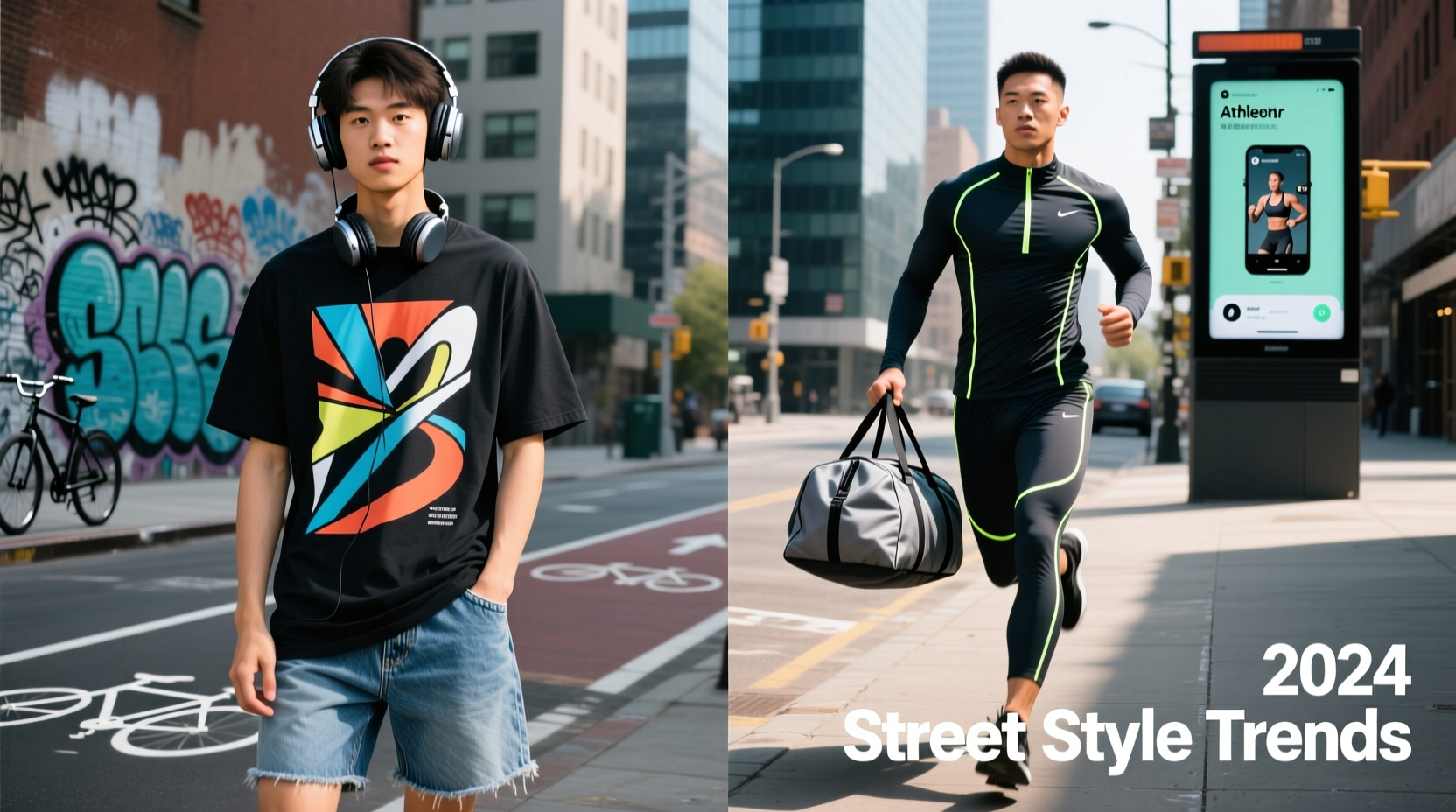
Functional sportswear—defined by moisture-wicking fabrics, stretch, breathability, and ergonomic design—was once reserved for athletes and fitness enthusiasts. Today, it includes leggings, performance polos, technical hoodies, and running-inspired sneakers that seamlessly integrate into urban lifestyles.
The shift began during the pandemic, when remote work and home-based routines normalized athleisure. People prioritized comfort without sacrificing style. According to NPD Group, sales of activewear grew by 15% annually between 2020 and 2023, outpacing traditional casualwear. Brands like Lululemon, Nike, and Adidas reported increased demand not just for workout gear but for “wear-everywhere” pieces suitable for school drop-offs, grocery runs, or casual meetups.
This trend reflects a broader cultural embrace of wellness and movement. As health consciousness rises, clothing that supports an active lifestyle becomes more appealing—even if the wearer isn’t exercising at that moment.
Tip: Choose sportswear with odor-resistant fabric and four-way stretch for maximum versatility beyond the gym.Fashion T-Shirts: Still Relevant, But Evolving
Fashion T-shirts remain powerful tools for identity expression. From band tees and vintage prints to slogan-driven designs promoting social causes, they carry cultural weight. Streetwear brands like Supreme, Stüssy, and Palace have elevated the T-shirt into a collectible item, often resold at premium prices.
However, their role in daily wear has shifted. While people still own multiple fashion tees, many reserve them for specific occasions—nights out, concerts, or events where personal style takes center stage. In contrast, functional tops are worn more frequently due to practical advantages: easy care, durability, and adaptability across environments.
That said, innovation in fashion tees continues. Organic cotton, recycled blends, and waterless dyeing processes make them more sustainable. Some hybrid models now merge aesthetics with performance—think graphic tees made from athletic-grade fabric. These bridge the gap between form and function, appealing to consumers who want both style and substance.
“Clothing is no longer just about looking good—it’s about feeling capable. People want clothes that keep up with their lives.” — Maya Tran, Senior Apparel Analyst at McKinsey & Company
Comparing Key Factors: Fashion Tee vs. Functional Sportswear
| Factor | Fashion T-Shirt | Functional Sportswear |
|---|---|---|
| Primary Use | Self-expression, casual outings | Exercise, daily mobility, travel |
| Material | Cotton, blends, organic fibers | Polyester-spandex, merino wool, recycled synthetics |
| Comfort Level | Soft, breathable (varies by fabric) | High stretch, moisture control, temperature regulation |
| Durability | Moderate; prone to shrinkage/fading | High; designed for repeated use and washing |
| Lifestyle Fit | Social, creative, relaxed | Active, fast-paced, hybrid work-life |
| Average Wear Frequency | 1–2 times per week | 3–5 times per week |
Real-World Example: A Week in the Wardrobe
Consider Sarah, a 32-year-old marketing professional living in Austin, Texas. Her weekly routine includes three workouts, two client meetings, and weekend hikes with friends. She owns over ten fashion T-shirts but reaches for them only twice a week—once for a dinner date and once for a casual Friday at the office.
For the rest of her week, she wears performance leggings with a breathable tank, a lightweight hoodie, or a wrinkle-resistant polo made from technical fabric. Even when not working out, she finds these pieces more comfortable under Texas heat and during long commutes. Her fashion tees stay folded neatly in her drawer, admired but less utilized.
Sarah’s pattern mirrors broader consumer behavior. Comfort and utility increasingly outweigh pure aesthetic appeal in daily decisions. As lifestyles become more fluid, clothing must adapt accordingly.
Expert Insight: Why Functionality Wins in Daily Rotation
Dr. Lena Patel, a behavioral economist specializing in consumer goods, explains: “People don’t just buy clothes—they buy solutions. Functional sportswear solves multiple problems: temperature regulation, ease of movement, low maintenance, and confidence in varied settings.”
She adds, “When someone can transition from a morning run to a coffee meeting without changing, they perceive greater value. That efficiency drives repeat wear.”
This mindset shift explains why even non-athletes invest in high-performance apparel. It’s not about being sporty—it’s about being prepared.
Actionable Checklist: Choosing What to Wear More Often
- ✅ Assess your daily activities: How much movement, sitting, or temperature change do you experience?
- ✅ Prioritize fabric technology: Look for moisture-wicking, quick-dry, and anti-odor properties.
- ✅ Evaluate versatility: Can the piece go from errands to a meeting or light workout?
- ✅ Consider care requirements: Machine-washable, low-iron items save time and extend wear cycles.
- ✅ Balance expression with utility: Use accessories or outer layers to add personality to functional basics.
FAQ: Common Questions About Modern Apparel Trends
Are fashion T-shirts becoming obsolete?
No. While their frequency of daily wear may have decreased, fashion T-shirts remain vital for cultural expression, brand loyalty, and special occasions. They’re evolving rather than disappearing.
Can sportswear be stylish enough for social events?
Absolutely. Many modern sportswear lines focus on minimalist design, tailored fits, and neutral palettes that blend seamlessly into urban environments. Paired with clean footwear and a jacket, performance wear can be appropriate for casual gatherings.
Is sustainable sportswear available?
Yes. Brands like Patagonia, Girlfriend Collective, and Tentree use recycled plastics, biodegradable fibers, and ethical manufacturing. Even major players like Adidas now offer entire product lines made from ocean plastic.
Conclusion: The Future Is Hybrid
The question isn’t whether fashion T-shirts or functional sportswear is winning outright—it’s about recognizing a transformation in how people define wardrobe value. Functional sportswear currently leads in frequency of wear due to its adaptability and alignment with modern, mobile lifestyles. However, fashion T-shirts maintain emotional resonance and cultural significance.
The future lies in convergence: garments that combine expressive design with intelligent construction. Consumers no longer want to choose between looking good and feeling good. They expect both.
💬 What do you reach for most—your favorite band tee or your go-to training top? Share your daily wear habits and help shape the conversation on the evolving wardrobe.