
Curry is not a single spice or dish, but a vast culinary universe defined by its bold fusion of heat, fragrance, and depth. To many in the West, \"curry\" evokes golden stews served with rice or naan, but globally, it represents a spectrum of traditions—from the coconut-laced curries of Southern India to the fiery rendang of Indonesia and the mild, fruit-infused versions of Thai cuisine. Understanding curry means moving beyond the jar on the shelf and exploring how spices, technique, and culture shape one of the most dynamic flavor systems in the world. Whether you're simmering a weeknight dal or crafting a layered lamb vindaloo, knowing how curry works empowers better, more authentic results.
Definition & Overview
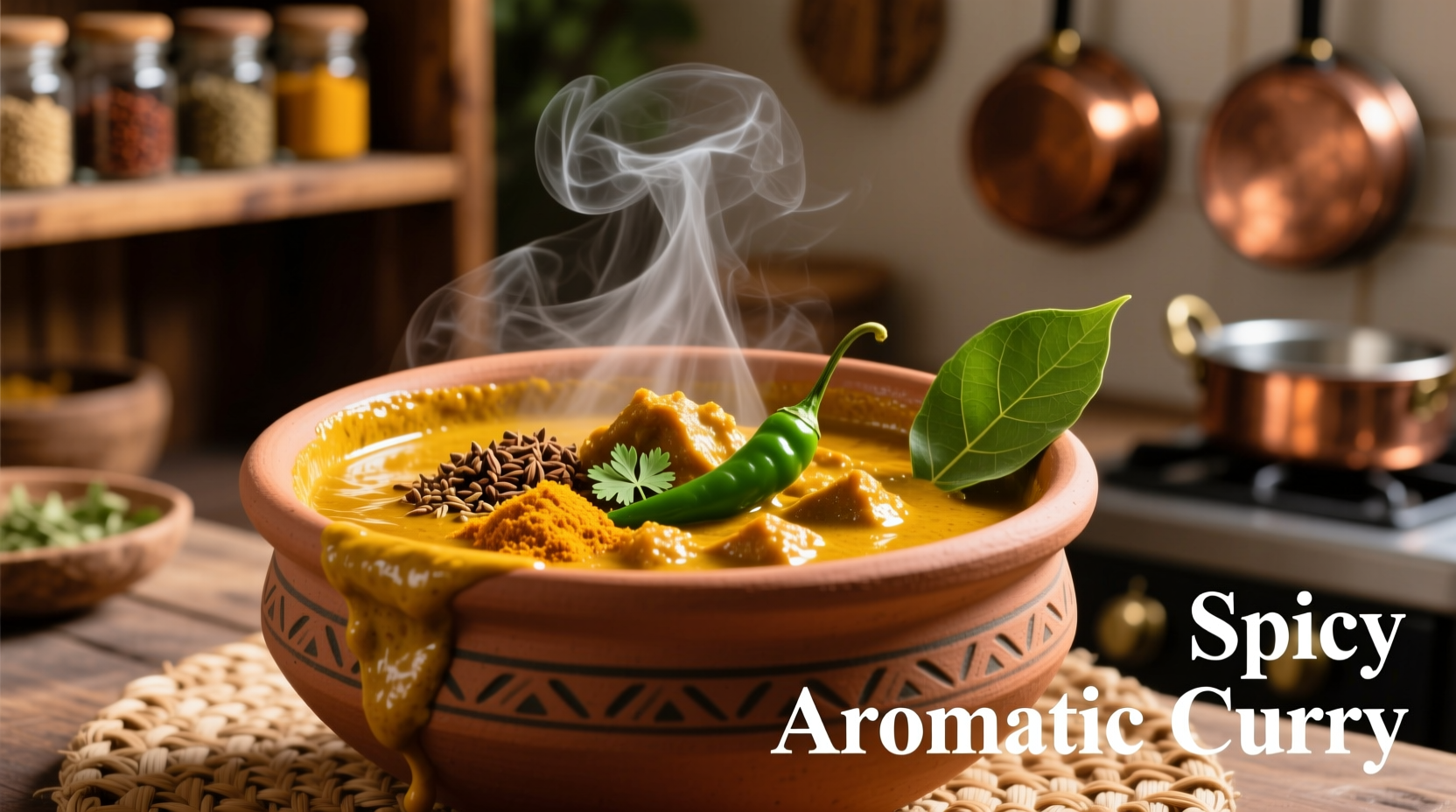
At its core, curry refers to a seasoned sauce or stew, typically made with a blend of spices, aromatics, and liquid (such as broth, coconut milk, or yogurt), often enriched with meat, seafood, legumes, or vegetables. The term entered the English language from the Tamil word kari, meaning \"sauce\" or \"relish for rice.\" While commonly associated with South Asia, particularly India, Sri Lanka, and Bangladesh, the concept has evolved across Southeast Asia, the Caribbean, Japan, and even parts of Africa through colonial exchange and migration.
What unites all curries is their reliance on layered seasoning. Unlike simple spicing, curry construction involves building complexity: sautéing aromatics like onions, garlic, and ginger; blooming ground spices in oil; incorporating liquids; and allowing time for flavors to meld. This process transforms raw ingredients into something deeply aromatic and harmonious. Far from being inherently \"hot,\" many traditional curries prioritize balance—between sweet and sour, earthy and floral, pungent and cooling—using chili only where appropriate.
Key Characteristics
Curry's sensory profile varies widely depending on region and recipe, but several universal characteristics define its identity:
| Characteristic | Description |
|---|---|
| Flavor Profile | Complex and layered—can include earthy (turmeric, cumin), warm (cinnamon, cardamom), pungent (garlic, mustard seed), sweet (coconut, tamarind), tangy (amchur, lime), or bitter (fenugreek). |
| Aroma | Fragrant and inviting, especially when whole spices are tempered in oil. Notes range from citrusy (curry leaves, lemongrass) to smoky (roasted cumin) to floral (saffron, pandan). |
| Color | Varies by base: yellow (turmeric-rich), red (chili-heavy), green (fresh herbs), or brown (slow-cooked meats). Coconut milk-based curries tend to be pale cream; tomato-based ones deeper red-orange. |
| Heat Level | Not universally hot—ranges from mild (korma) to extremely spicy (Andhra-style pickles or Thai jungle curry). Heat is adjustable and often secondary to aroma. |
| Culinary Function | Serves as both main dish and condiment. Enhances proteins, legumes, grains, and vegetables through slow infusion of flavor. |
| Shelf Life | Freshly made curry lasts 3–5 days refrigerated; frozen up to 3 months. Dry curry powders last 6–12 months if stored airtight away from light and moisture. |
Practical Usage: How to Use Curry in Cooking
Using curry effectively requires understanding not just ingredients, but technique. Whether working with pre-made blends or building from scratch, success lies in layering flavors at the right moment.
Dry vs. Wet Curries: Indian and Pakistani cuisines distinguish between *dry* (tadka-based, less liquid) and *wet* (gravy-heavy) preparations. A dry curry like bhindi masala uses minimal water, relying on vegetable moisture and spice coating. A wet curry such as butter chicken depends on a rich sauce of tomatoes, cream, and slow-simmered spices.
Building a Base: Most curries begin with a sofrito-style foundation known as a \"masala base\" or \"trinity\": finely chopped onions, garlic, and ginger sautéed in oil until golden. This forms the backbone of flavor. In South Indian cooking, mustard seeds, curry leaves, and urad dal may be tempered first to add nutty depth.
Blooming Spices: Adding ground spices too early burns them; too late leaves them raw. The ideal window is after the onions have softened but before adding liquid. Stir spices into the fat for 30–60 seconds—this \"blooms\" volatile oils, unlocking aroma and color. Turmeric, coriander, cumin, and garam masala each respond differently to heat.
Liquid Integration: Once spices are bloomed, introduce liquid gradually. For tomato-based curries, crushed tomatoes are added and cooked down to remove acidity. For coconut curries, full-fat milk is stirred in gently to prevent splitting. Simmering allows flavors to marry and proteins to tenderize.
Pro Tip: Finish many curries with a tadka—a quick tempering of whole spices (like cumin seeds or dried chilies) in hot oil, poured over the top. This adds a final burst of aroma and texture.
Ratio Guidance for Home Cooks:
- For every 1 cup of chopped onions: use 1 tsp cumin seeds, 1 tbsp ginger-garlic paste, 1 tsp turmeric, 1–2 tsp coriander powder, ½ tsp chili powder (adjustable).
- Use ¼ to ½ cup liquid per serving (tomato puree, stock, or coconut milk).
- Add salt incrementally—start with ½ tsp per serving, adjust after simmering.
Variants & Types
Curry is not monolithic. Regional variations reflect local agriculture, climate, religion, and history. Below are major types categorized by origin and style:
Indian Subcontinent
- Madras Curry: Originating in South India, this is a robust, chili-forward curry often used with lentils or fish. Uses tamarind for sourness and mustard seeds for crunch.
- Korma: Mughlai-influenced, korma is mild, creamy, and nut-based—often using almond paste, cream, and whole spices like cardamom and cloves. Ideal for delicate proteins.
- Vindaloo: Goan in origin, originally a Portuguese-influenced pork dish preserved with vinegar. Modern versions are intensely spicy, featuring chili, garlic, and palm vinegar.
- Chettinad: From Tamil Nadu, known for bold use of black pepper, fennel, and star anise. Often includes poppy seeds and cashews for body.
Southeast Asian
- Thai Green Curry (Gaeng Keow Wan): Made with fresh green chilies, lemongrass, galangal, and kaffir lime leaves. Balanced with coconut milk and palm sugar. Typically contains eggplant, bamboo shoots, and chicken.
- Red Curry (Gaeng Phet): Deeper and hotter than green, using dried red chilies. Common in massaman and panang styles.
- Malaysian Laksa: A noodle soup with either curry paste (in Penang assam laksa) or coconut milk (in Sarawak laksa). Features tamarind, shrimp paste, and aromatic herbs.
Global Adaptations
- Japanese Curry: Thick, mildly sweet, and often cubed for convenience. Based on British adaptations but now a national comfort food, served with rice and tonkatsu.
- Jamaican Curry: Influenced by Indian indentured laborers, features allspice, scotch bonnet peppers, and goat meat. Uses curry powder rather than paste.
- Sri Lankan Curry: Highly diverse, often featuring cinnamon, cloves, and pandan leaf. Fish and jackfruit curries are common, with intense sour notes from goraka (garcinia).
| Type | Base Ingredients | Heat Level | Best Paired With |
|---|---|---|---|
| Thai Red Curry | Coconut milk, red chilies, lemongrass | Medium-Hot | Rice noodles, tofu, bell peppers |
| Indian Korma | Cream, nuts, whole spices | Mild | Naan, basmati rice, chicken |
| Goan Vindaloo | Vinegar, garlic, chili | Very Hot | Pork, potatoes, crusty bread |
| Japanese Curry | Beef, apples, roux cubes | Mild-Sweet | Rice, tonkatsu, pickles |
Comparison with Similar Ingredients
Curry is often confused with other spice-centric preparations. Clarifying these distinctions improves both shopping and cooking decisions.
| Ingredient | How It Differs from Curry |
|---|---|
| Curry Powder | A Western invention—a pre-mixed blend (usually turmeric, coriander, cumin, fenugreek). Not traditionally used in Indian homes, where whole spices are preferred. Less complex than fresh pastes. |
| Garam Masala | A finishing spice blend (cinnamon, cardamom, cloves) added at end of cooking. Warms the dish but doesn’t define the sauce. Curry incorporates garam masala as one component among many. |
| Tikka Masala Sauce | A specific restaurant-style tomato-cream sauce, often mistaken for \"curry.\" It’s a single dish, not a category. Many commercial \"curry sauces\" are actually tikka masala variants. |
| Harissa / Berbere | North African and Ethiopian chili pastes, respectively. While spicy and aromatic, they lack turmeric and cumin dominance typical of curry. Used differently—harissa as condiment, berbere in stews like doro wat. |
“The mistake people make is thinking ‘curry’ is a flavor. It’s a technique. You don’t add curry—you build it.” — Anita Rao, chef and author of *Spice Routes*
Practical Tips & FAQs
How spicy should my curry be?
Adjust heat to preference. Remove chili seeds to reduce burn. Add sweetness (coconut, mango chutney) or dairy (yogurt, cream) to counterbalance. Always taste as you go—spiciness intensifies during cooking.
Can I make curry without meat?
Absolutely. Lentils (dal), chickpeas, potatoes, cauliflower, and paneer are excellent bases. Vegetarian curries often shine brightest due to clean, layered spice expression.
What’s the best way to store curry?
Cool completely before refrigerating. Store in airtight containers for up to 5 days. Freeze in portion-sized containers for longer storage. Reheat gently with a splash of water or broth to restore consistency.
How long do curry powders last?
Ground spices lose potency within 6 months. Whole spices last up to 2 years. Store in dark glass jars away from heat. For maximum freshness, toast and grind whole spices just before use.
Can I substitute curry powder for curry paste?
Not directly. Paste contains fresh ingredients (chilies, lemongrass, garlic) and oil; powder is dried. Substitute 1 tbsp curry powder + 1 tsp oil + ½ tsp lemon juice for 1 tbsp paste—but expect less depth.
Why does my curry taste flat?
Likely causes: under-bloomed spices, insufficient acid, or lack of umami. Fix with a splash of lime juice, tamarind, or fish sauce. A pinch of sugar can also round out harsh edges.
Is curry healthy?
Traditional curries rich in turmeric, garlic, ginger, and vegetables offer anti-inflammatory benefits. However, restaurant versions may be high in fat and sodium. Control ingredients at home for healthier outcomes.
Quick Checklist: Building a Flavorful Curry at Home
- Prep aromatics: finely chop onion, mince garlic, grate ginger.
- Heat oil; temper whole spices (optional but recommended).
- Sauté onions until golden; add garlic and ginger.
- Bloom ground spices for 30 seconds.
- Add main ingredient (meat, legumes, vegetables).
- Incorporate liquid and simmer 15–45 minutes.
- Finish with acid (lime, tamarind) and optional tadka.
- Taste and adjust seasoning before serving.
Summary & Key Takeaways
Curry is not a shortcut ingredient but a philosophy of flavor construction. Its essence lies in layering—aromatics, spices, heat, acid, and time—to create dishes that are greater than the sum of their parts. Far from being uniformly spicy, curry spans a wide emotional and sensory range, from soothing and creamy to fiery and ferment-driven.
Understanding regional differences—from the coconut-laden curries of Kerala to the vinegar-kissed vindaloos of Goa—enriches both appreciation and execution. Using fresh ingredients, proper technique, and mindful seasoning leads to more authentic, satisfying results than relying on pre-made sauces alone.
Whether you're new to Indian and Southeast Asian cooking or refining your skills, embracing the complexity of curry opens doors to some of the world’s most vibrant cuisines. Start with one regional style, master its rhythm, then explore further. The journey through curry is endless—and deliciously rewarding.
Ready to experiment? Try making a homemade red curry paste or slow-cooking a classic chana masala this week—your palate will thank you.