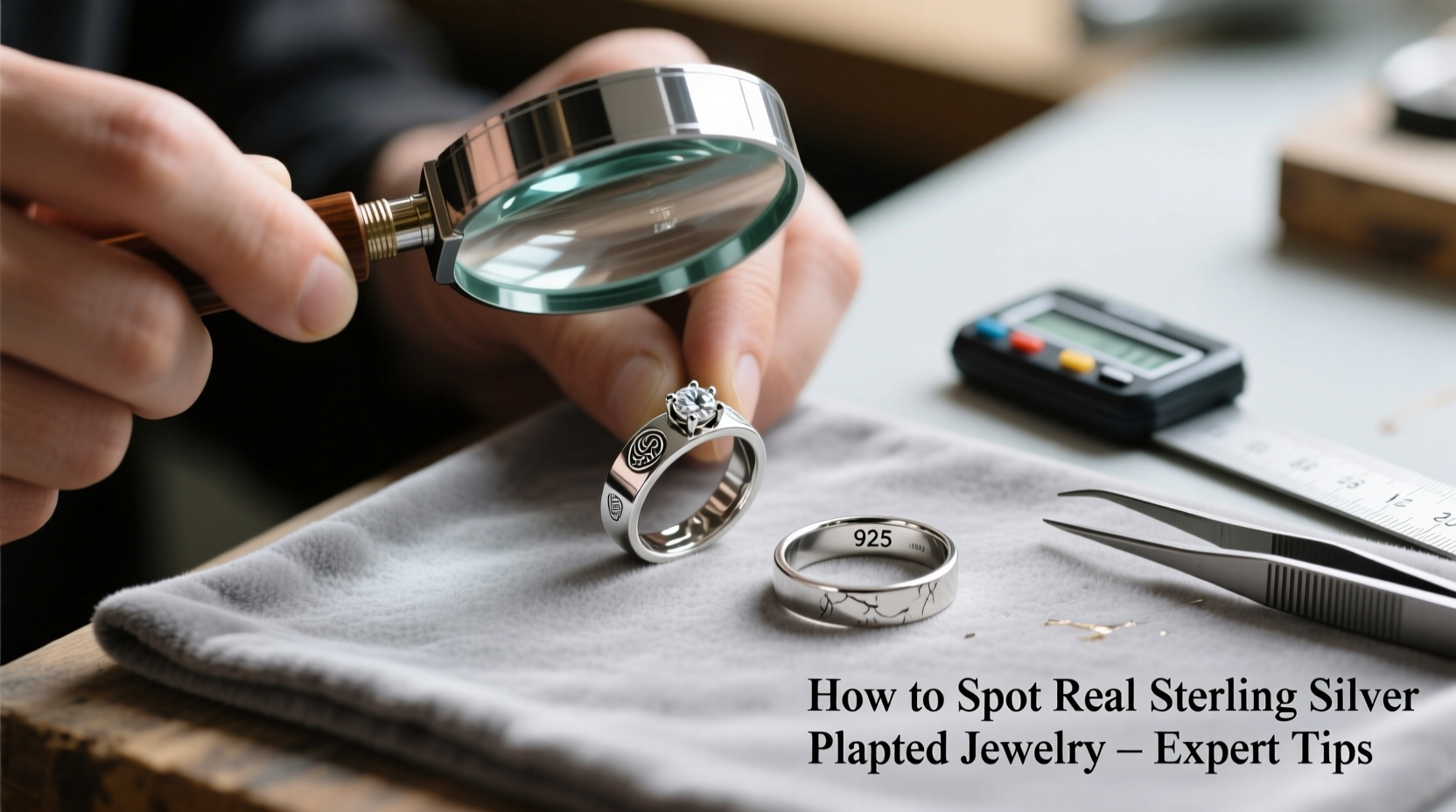
In today’s booming market for affordable luxury, sterling silver plated jewelry offers an elegant look at a fraction of the cost. However, with rising demand comes a surge in counterfeit products—pieces that mimic the appearance of quality but lack durability, value, and authenticity. Whether you're shopping online, browsing local boutiques, or inheriting family heirlooms, knowing how to distinguish real sterling silver plating from fake is essential. This guide delivers expert-backed strategies to help you make informed decisions and protect your investment.
Understanding Sterling Silver Plated Jewelry
Sterling silver plated jewelry consists of a base metal—often brass, copper, or nickel—coated with a thin layer of .925 sterling silver. The \"sterling\" designation means the outer layer is 92.5% pure silver and 7.5% alloy, typically copper, which adds strength. Unlike solid sterling silver, the plating can wear off over time, especially with frequent use or exposure to moisture and chemicals.
The key distinction lies in labeling and construction. Genuine pieces are often marked clearly and constructed with care to ensure even plating and longevity. Counterfeit versions may use misleading stamps, inferior metals, or uneven coatings designed solely to deceive at first glance.
Tip: Never rely solely on appearance. Shine and color can be easily mimicked with cheap alloys and sprays.How to Spot Genuine Sterling Silver Plating: 5 Expert Methods
1. Check for Hallmarks and Stamps
Authentic sterling silver plated items often carry specific markings. Look for:
- \"Sterling\" – Indicates compliance with silver purity standards.
- \"925\" or \".925\" – Denotes 92.5% silver content in the plating layer.
- \"Silver Plated\" or \"EPNS\" (Electroplated Nickel Silver) – Clarifies it's not solid silver.
Absence of any stamp—or presence of vague terms like \"silver finish\" or \"silver tone\"—is a red flag. In regulated markets like the U.S. and EU, mislabeling precious metals is illegal, but enforcement varies, especially on online marketplaces.
2. Perform the Magnet Test
Silver is non-magnetic. If a strong magnet sticks to the piece, it’s likely made from ferromagnetic metals like iron or steel—common in counterfeits.
To conduct the test:
- Use a rare-earth magnet (neodymium).
- Hold it close to the jewelry.
- If attraction occurs, the core metal is not suitable for proper silver plating.
Note: Some base metals used in authentic plating (like nickel) may show slight magnetic response, but strong pull indicates fraud.
3. Conduct the Ice Test
Silver has the highest thermal conductivity of any common metal. Place a small ice cube directly on the jewelry. On genuine silver-plated items, the ice will melt significantly faster than on imitations made with brass, tungsten, or stainless steel.
This test works best when comparing against a known fake or control item. While not foolproof, it’s a quick, non-destructive field check.
4. Inspect for Tarnish Patterns and Wear
Genuine silver tarnishes uniformly, developing a yellowish, then brownish, and eventually black patina due to sulfur exposure. Fake silver plating often chips, flakes, or reveals a greenish base metal underneath—especially around edges, clasps, or high-friction areas.
Counterfeit pieces may also tarnish unnaturally fast or develop blotchy discoloration, indicating poor-quality plating or reactive base alloys.
5. Use a Professional Testing Kit
Nitric acid or electronic testers can verify silver content. Acid testing involves filing a discreet spot and applying reagent—the resulting color change indicates metal composition. While accurate, this method is slightly destructive and best left to jewelers.
Electronic testers, such as XRF analyzers used in pawn shops, offer non-invasive analysis but require professional equipment.
“Consumers should treat unmarked silver-toned jewelry with skepticism. A simple hallmark check prevents most scams.” — Daniel Reyes, Certified Gemologist and Appraiser, American Gem Society
Common Red Flags in Silver Plated Jewelry
| Red Flag | What It Means | Action to Take |
|---|---|---|
| No visible stamp or vague marking | Likely not sterling silver plated; possibly costume jewelry | Avoid purchase unless verified by a jeweler |
| Green discoloration on skin | Copper or nickel leaching from low-grade base metal | Discontinue use; indicates poor craftsmanship |
| Uneven shine or patchy surface | Inconsistent plating; may wear off quickly | Reject or negotiate lower price |
| Extremely low price for intricate design | High probability of counterfeit or fake material | Verify seller reputation and return policy |
Real-World Example: How One Buyer Avoided a Costly Mistake
Sophia, a vintage jewelry collector from Portland, was browsing an online marketplace for Art Deco-style earrings labeled “sterling silver plated.” The photos looked authentic, and the price—$28—seemed reasonable. Before purchasing, she requested additional images, including a close-up of the stamp. The seller sent a blurry photo showing only “SS” engraved on the back.
Sophia declined the offer and instead searched for a similar pair from a reputable vintage dealer. That pair had a clear “925” stamp, consistent tarnish, and came with a certificate of authenticity. Though priced at $65, it proved to be genuine after independent verification. Her diligence saved her from a counterfeit that later reviews confirmed had turned customers’ ears green within days.
Step-by-Step Guide to Verifying Silver Plated Jewelry
Follow this sequence when evaluating new or secondhand pieces:
- Examine under bright light: Look for inconsistencies in color, texture, or reflection.
- Locate and interpret stamps: Confirm “925,” “Sterling,” or “Silver Plated.” Ignore decorative engravings.
- Conduct the magnet test: No attraction should occur.
- Perform the ice test: Compare melting speed with a known metal object.
- Inspect high-wear areas: Check edges, clasps, and hinges for chipping or base metal exposure.
- Consult a professional if uncertain: Many jewelers offer low-cost testing services.
Frequently Asked Questions
Is sterling silver plated jewelry worth anything?
While not valuable like solid silver, well-made plated jewelry retains aesthetic and sentimental worth. Resale value is generally low, but craftsmanship and design can enhance desirability among collectors.
Can I wear sterling silver plated jewelry every day?
With care, yes—but avoid water, sweat, lotions, and perfumes. Remove during showers, exercise, or swimming to extend the plating life, which typically lasts 1–3 years with regular use.
How do I clean genuine silver plated jewelry?
Use a soft microfiber cloth for daily wiping. For deeper cleaning, mix mild dish soap with warm water, gently scrub with a soft toothbrush, rinse, and dry thoroughly. Avoid abrasive polishes, which strip the silver layer.
Final Thoughts: Confidence Starts with Knowledge
Identifying genuine sterling silver plated jewelry isn’t about memorizing codes or owning lab tools—it’s about developing a sharp eye and asking the right questions. From verifying hallmarks to understanding how real silver behaves, these expert tips empower you to shop smarter and wear with confidence.
Counterfeits thrive in ambiguity. By arming yourself with practical knowledge, you protect not just your wallet, but your personal style and peace of mind. Next time you’re drawn to a shimmering pendant or elegant bracelet, pause, inspect, and apply what you’ve learned here.
💬 Have you encountered a convincing counterfeit? Share your experience or verification tip in the comments—your insight could save another shopper from a costly mistake.








