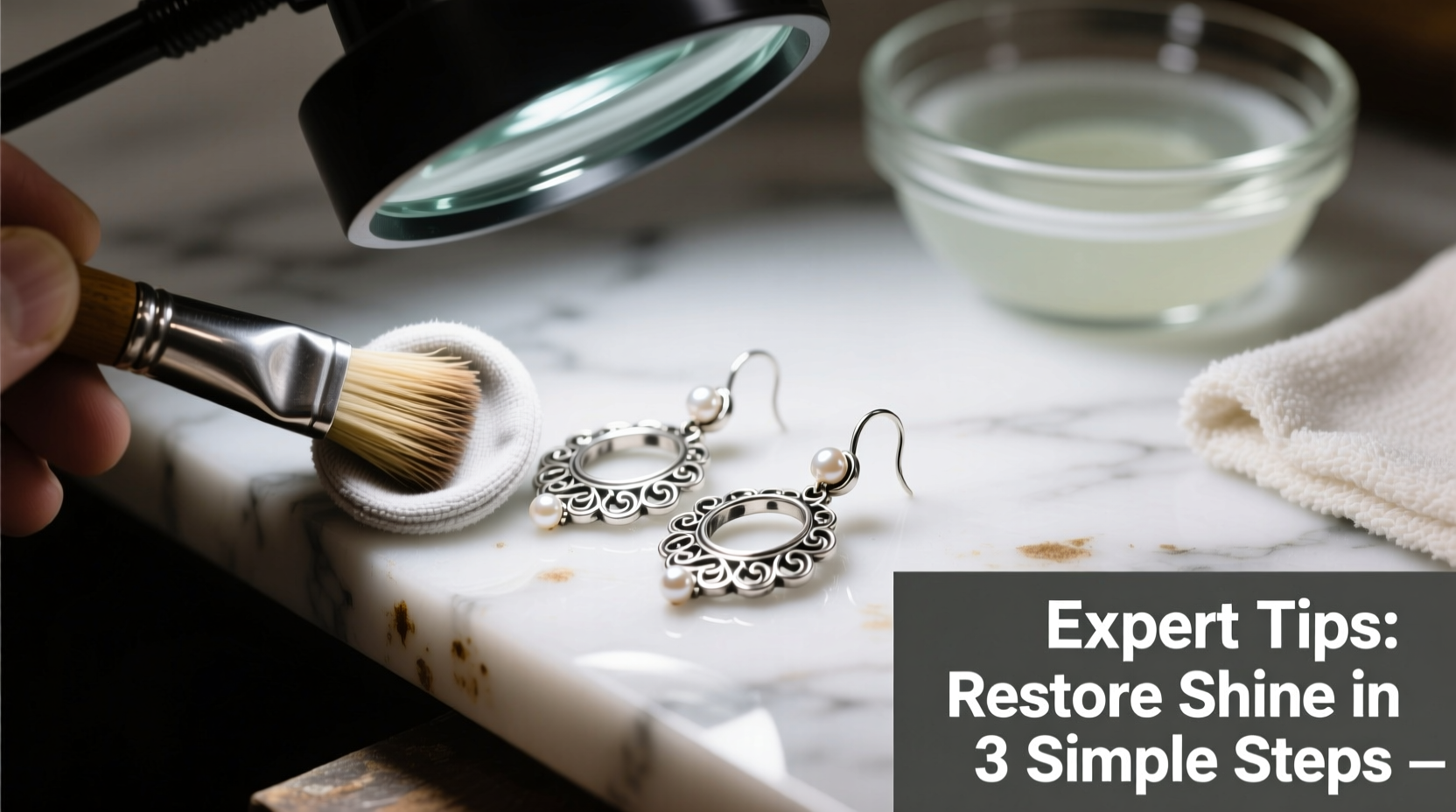
Tarnished 925 sterling silver earrings lose their brilliance over time due to exposure to air, moisture, and skin oils. While the darkening may seem like permanent damage, it’s actually a natural chemical reaction called oxidation—and it’s reversible. With the right techniques, you can restore your earrings to their original sparkle without damaging the delicate metal or gem settings. This guide delivers expert-backed strategies that prioritize safety, effectiveness, and long-term care.
Understanding Why Sterling Silver Tarnishes
Sterling silver is an alloy composed of 92.5% pure silver and 7.5% other metals, typically copper. The copper content increases durability but also makes the metal more reactive. When exposed to sulfur compounds in the air (from pollution, rubber, wool, or even certain foods), a thin layer of silver sulfide forms on the surface—this is tarnish.
Humidity, sweat, lotions, and perfumes accelerate the process. Earrings are especially vulnerable because they sit close to the skin and often come into contact with hair products and makeup. Unlike rust, tarnish doesn’t eat through the metal; it only affects the surface, which means proper cleaning can fully restore shine without compromising integrity.
“Tarnish is inevitable with regular wear, but how you clean and store your silver determines whether it remains a minor nuisance or leads to irreversible dullness.” — Dr. Lena Hartman, Materials Conservation Specialist
Step-by-Step Guide: Safe Polishing Methods for Delicate Earrings
Because earrings are small and often feature intricate designs or gemstone accents, aggressive cleaning can loosen prongs or scratch surfaces. Always begin with the gentlest method and escalate only if needed.
- Remove earrings from storage or ears – Ensure hands are clean and dry. Work on a soft towel to prevent loss or damage.
- Inspect for stones or plating – If your earrings have cubic zirconia, pearls, or rhodium plating, avoid soaking or abrasive pastes.
- Choose your cleaning method – See options below.
- Dry thoroughly – Use a lint-free microfiber cloth.
- Buff gently – Circular motions restore luster without scratching.
Method 1: Baking Soda Paste (For Heavily Tarnished Pieces)
Mix two parts baking soda with one part water to form a thick paste. Dip a soft-bristled toothbrush (preferably new) into the mixture and gently scrub the earring surface. Focus on crevices where tarnish collects. Rinse under lukewarm water and dry immediately.
Tip: Never use steel wool or harsh abrasives—even on solid silver. They leave micro-scratches that accelerate future tarnishing.Method 2: Aluminum Foil & Baking Soda Bath (Chemical Reduction)
This method uses ion transfer to pull sulfur from the silver. Line a heatproof bowl with aluminum foil (shiny side up). Add one tablespoon of baking soda and one teaspoon of salt. Pour in boiling water to submerge the earrings. Let sit for 3–5 minutes. Remove, rinse, and dry.
Note: Not recommended for earrings with glued-in stones or porous gems like opals or turquoise.
Method 3: Commercial Silver Dip (Quick Fix for Light Tarnish)
Dips containing thiourea or citric acid work fast. Immerse earrings for 10–20 seconds only. Rinse thoroughly and dry. Overuse eats away at fine details and can damage finishes.
Tip: After using a dip, always follow with a soft cloth polish to restore smoothness.Do’s and Don’ts of Silver Earring Care
| Do’s | Don’ts |
|---|---|
| Store earrings in anti-tarnish pouches or zip-lock bags with a silica packet | Leave them exposed to humid bathrooms or direct sunlight |
| Clean after wearing if exposed to sweat or perfume | Use paper towels or tissues—they contain wood fibers that scratch |
| Wipe gently with a silver polishing cloth regularly | Soak rhodium-plated silver in acidic solutions |
| Check earring backs and posts for buildup | Put on silver jewelry before applying makeup or hairspray |
Real Example: Reviving Vintage Family Heirloom Earrings
Sophie inherited a pair of Victorian-style 925 silver earrings from her grandmother. Stored in a cedar box for decades, they were almost black with tarnish. Fearing damage, she avoided home remedies and consulted a local jeweler. He recommended the aluminum foil bath—but only after confirming no glued components were present. After a single five-minute soak and careful drying, the earrings regained 90% of their original luster. A final buff with a microfiber cloth brought out the detailed filigree work. Sophie now stores them in a sealed plastic bag with a tarnish-prevention strip and wipes them monthly.
This case illustrates that even severely tarnished pieces can be revived safely—with patience and the correct approach.
Essential Checklist for Long-Term Shine
- ✅ Wipe earrings with a dry, soft cloth after each wear
- ✅ Store in an airtight container away from rubber bands and wool
- ✅ Use a dedicated silver polishing cloth (not tissue or clothing)
- ✅ Inspect posts and clasps monthly for buildup or corrosion
- ✅ Deep clean every 4–6 weeks depending on wear frequency
- ✅ Avoid wearing during swimming, showering, or exercise
- ✅ Rotate between multiple pairs to reduce wear on any single set
Frequently Asked Questions
Can I use toothpaste to clean my silver earrings?
No. Despite popular belief, most toothpastes are too abrasive for sterling silver. They contain mild grit designed for enamel, which can scratch softer metals. Some also include sodium lauryl sulfate or whitening agents that react poorly with silver alloys.
Why do my silver earrings turn black so quickly?
Rapid tarnishing often results from high humidity, frequent contact with skincare products, or individual body chemistry. People with higher sulfur levels in their sweat will notice faster discoloration. Wiping earrings post-wear and storing them properly significantly slows this process.
Is it safe to ultrasonic clean sterling silver earrings?
Only if they’re solid silver with no glued stones, cracks, or delicate engraving. Ultrasonic vibrations can weaken aged metal or dislodge fragile settings. For vintage or valuable pieces, professional assessment is recommended before machine cleaning.
Preserving Luster Between Cleanings
Prevention is the most effective form of maintenance. Make wiping down your earrings part of your nightly routine. Keep a silver polishing cloth in your jewelry box or bedside drawer. These cloths are impregnated with microscopic polishing agents that remove early-stage tarnish without rubbing.
Avoid storing silver near electronics, batteries, or latex, as these emit sulfur compounds. If you travel frequently, consider using anti-tarnish strips in your jewelry roll. They absorb corrosive gases and extend shine for months.
“The best care happens between cleanings. A few seconds of wiping after wear does more than any deep clean ever could.” — Marcus Reed, Master Jeweler & Restoration Artist
Conclusion
Restoring tarnished 925 sterling silver earrings doesn’t require expensive tools or risky chemicals. By understanding the causes of tarnish and applying consistent, gentle care, you can maintain radiant shine for years. Whether you opt for a homemade paste, an ion-based bath, or a trusted polishing cloth, the key is regular attention and smart storage.
💬 Have a favorite silver care trick? Share your experience in the comments and help others keep their earrings sparkling like new!








