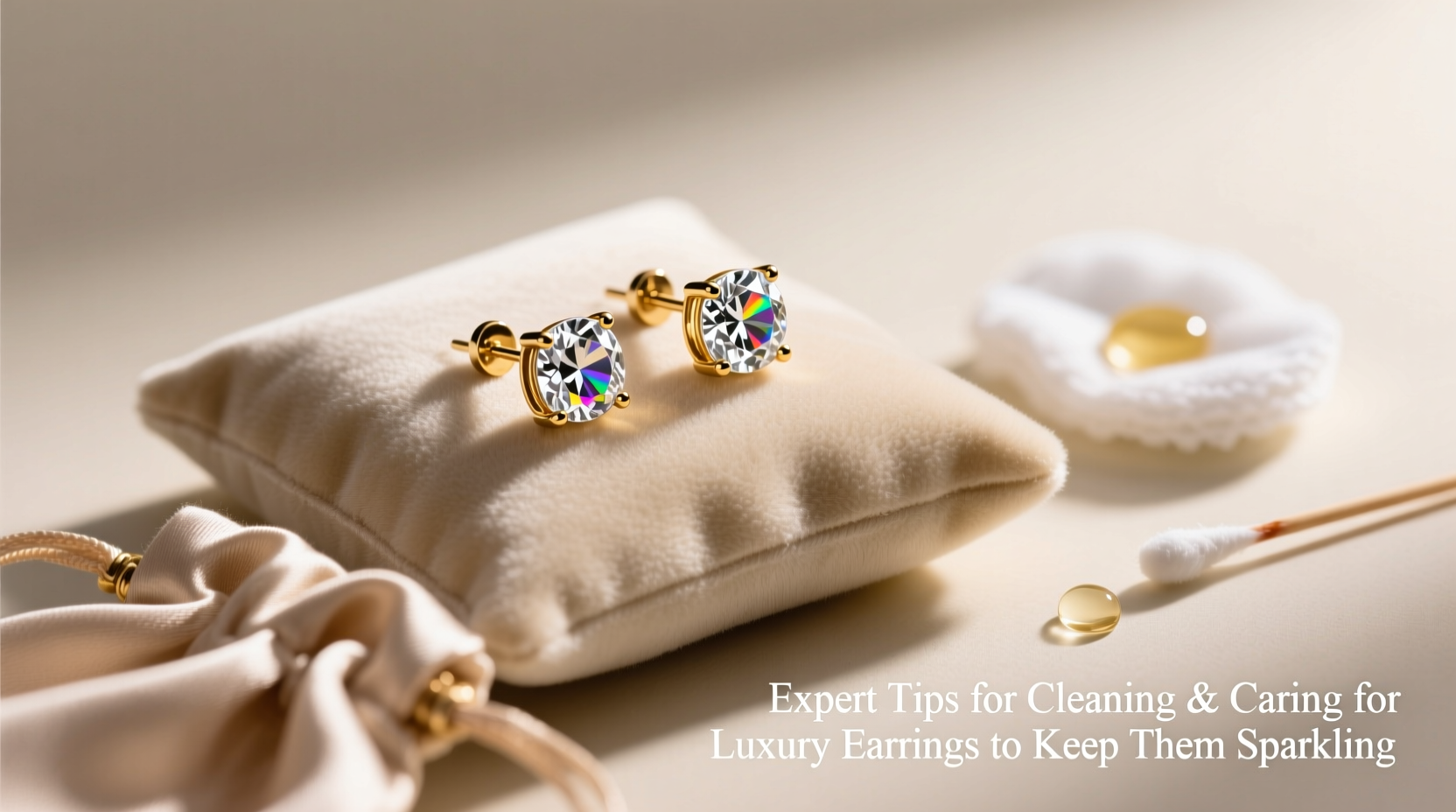
Luxury earrings are more than just accessories—they’re investments in elegance, craftsmanship, and personal style. Whether you own diamond studs, pearl drops, or intricate gold hoops, their brilliance depends on consistent care. Over time, exposure to skin oils, lotions, perfumes, and environmental pollutants can dull even the finest metals and gemstones. The good news is that with the right techniques, you can preserve their luster and extend their lifespan for decades. This guide delivers expert-backed strategies to clean, store, and maintain your luxury earrings so they continue to shine with every wear.
Understanding Your Earring Materials
Luxury earrings come in a variety of materials—each requiring specific care. Knowing what your earrings are made of is the first step toward effective maintenance.
- Gold (Yellow, White, Rose): Resistant to tarnish but can scratch easily. Avoid chlorine, which weakens gold over time.
- Platinum: Durable and hypoallergenic, platinum develops a natural patina but can be polished back to high shine.
- Silver: Prone to tarnishing due to sulfur exposure. Requires regular polishing but responds well to gentle cleaning.
- Diamonds & Gemstones: While diamonds are extremely hard, settings can loosen. Emeralds, opals, and pearls are delicate and should never be soaked.
- Pearls: Organic and porous; avoid water, chemicals, and ultrasonic cleaners.
Step-by-Step Guide to Cleaning Luxury Earrings
Cleaning luxury earrings isn’t complicated, but it must be done correctly to avoid damage. Follow this professional-grade routine:
- Remove earrings gently after wearing and place them on a soft cloth to prevent scratches.
- Inspect for damage—check for loose stones, bent posts, or worn clasps before cleaning.
- Prepare a cleaning solution: Mix a few drops of mild dish soap (phosphate-free) with warm distilled water in a small bowl.
- Soak for 15–20 minutes only if the material allows (e.g., gold, platinum, diamonds). Do not soak pearls, opals, or porous stones.
- Clean with a soft-bristled brush (like a baby toothbrush) to reach crevices around settings. Use light pressure.
- Rinse under lukewarm running water—hold pieces securely or use a strainer.
- Pat dry with a lint-free microfiber cloth. Never air-dry on fabric that may leave fibers.
- Store immediately in a lined jewelry box after drying.
“Even brief exposure to household chemicals can erode metal finishes and weaken prongs. Clean earrings in isolation, away from bleach or ammonia.” — Daniel Ruiz, Master Jeweler & GIA Graduate
Do’s and Don’ts: A Quick Reference Table
| Material | Do’s | Don’ts |
|---|---|---|
| Gold & Platinum | Use mild soap and water; polish monthly with a jewelry cloth. | Avoid chlorine pools, hot tubs, and abrasive cleaners. |
| Silver | Clean with silver-specific solutions; store in anti-tarnish pouches. | Don’t use toothpaste—it’s too abrasive and can scratch. |
| Diamonds | Soak and brush gently; ultrasound clean occasionally (if setting allows). | Avoid steam cleaning at home—can loosen poorly set stones. |
| Pearls | Wipe with a damp cloth after each wear; store separately. | Never submerge in water or expose to perfume and hairspray. |
| Colored Gemstones | Clean with soft cloth; consult jeweler for stone-specific advice. | Avoid ultrasonic and steam cleaners unless approved. |
Real Example: How One Client Saved a Heirloom Pair
A client once brought in a pair of vintage diamond studs that had turned nearly black from years of accumulated residue. She assumed they were beyond repair. After inspection, we discovered the diamonds were intact but completely obscured by dried lotion and makeup. Using a non-acidic jewelry solution and careful brushing, we restored the settings over two sessions. The transformation was dramatic—the earrings regained their fire and were safely reset with reinforced prongs. This case underscores a vital truth: neglect doesn’t always mean loss. With patience and proper technique, even heavily soiled luxury earrings can be revived.
Tip: Clean your earrings every 2–3 weeks with daily wear, or monthly if worn occasionally.Proper Storage: The Key to Long-Term Brilliance
How you store your earrings matters as much as how you clean them. Poor storage leads to tangling, scratching, and tarnishing.
- Use a compartmentalized jewelry box with soft lining to prevent contact between pieces.
- For stud earrings, consider a padded earring keeper or a dedicated stud tray to avoid losing backs.
- Store silver in anti-tarnish bags with activated carbon strips to absorb sulfur compounds.
- Keep pearls in a soft pouch—never in sealed plastic, which traps moisture and causes deterioration.
- If traveling, use a rigid jewelry case with individual slots to prevent movement and impact.
“Storing earrings flat and separate prevents post bending and keeps gem settings secure.” — Lila Chen, Jewelry Conservator at The Metropolitan Museum of Art
Maintenance Checklist for Luxury Earring Care
Follow this checklist monthly to ensure your earrings remain in pristine condition:
- ✅ Inspect each pair for loose stones or damaged findings
- ✅ Clean according to material guidelines
- ✅ Dry thoroughly with a microfiber cloth
- ✅ Polish metal surfaces lightly if needed
- ✅ Store in designated compartments or pouches
- ✅ Schedule professional inspection annually
Frequently Asked Questions
Can I use rubbing alcohol to clean my earring backs?
Yes—but only on metal parts. Dip a cotton swab in isopropyl alcohol (70% or higher) to disinfect posts and backs, especially after illness. Avoid contact with gemstones, adhesives, or organic materials like pearls.
How often should I have luxury earrings professionally serviced?
At least once a year. A jeweler can tighten loose prongs, check for structural wear, and perform deep cleaning that home methods can’t achieve. High-wear pieces like everyday studs may benefit from biannual checks.
Is it safe to wear luxury earrings in the shower or pool?
No. Water, soap, and chlorine can corrode metals, loosen adhesives, and damage porous stones. Always remove earrings before swimming, bathing, or applying skincare products.
Final Thoughts: Make Care a Ritual, Not a Chore
Caring for luxury earrings doesn’t require elaborate tools or expertise—just consistency and attention to detail. Think of maintenance as part of the joy of ownership. Each time you wipe down a pair of diamond studs or carefully place pearl drops into their pouch, you’re honoring the artistry and value they represent. These small acts preserve not just sparkle, but sentiment, legacy, and confidence.
💬 Your earrings tell a story—keep them shining brightly. Share your favorite care tip in the comments and inspire others to protect their treasures with pride.








