The emerald cut diamond has long been associated with elegance, sophistication, and timeless glamour. Its clean lines, step-cut facets, and elongated shape create a mirror-like effect that exudes quiet luxury. Unlike more brilliant cuts like round or princess, the emerald cut emphasizes clarity and craftsmanship over sparkle, making it a refined choice for those who appreciate understated beauty. But because of its transparency and structure, selecting the right emerald cut requires careful attention to detail. Whether you're drawn to vintage aesthetics or modern minimalism, these expert insights will help you choose an emerald cut engagement ring that aligns with both your personal style and financial comfort.
Understand What Makes Emerald Cuts Unique
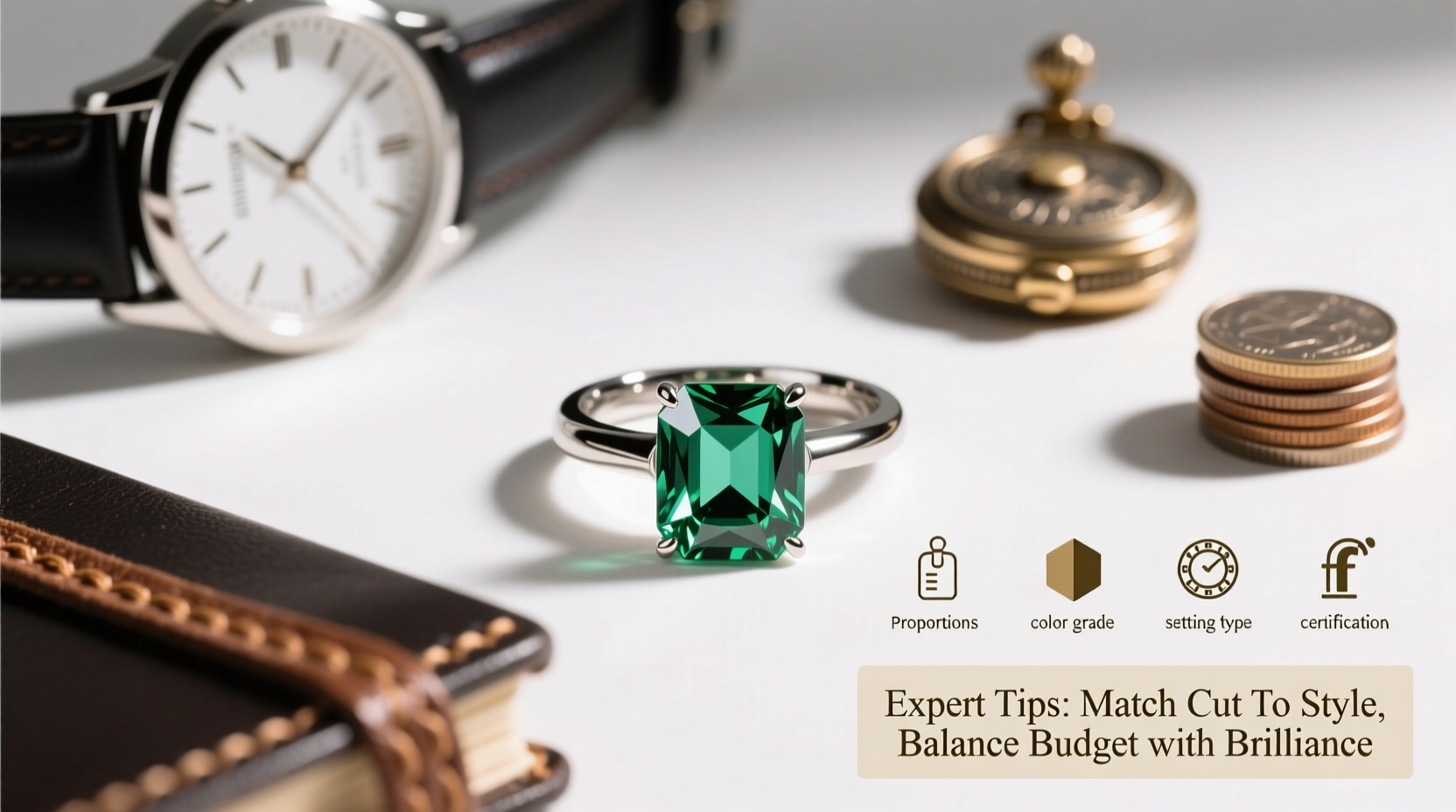
Emerald cut diamonds feature rectangular outlines with cropped corners and parallel step-like facets that run from top to bottom. This cut was originally designed for emeralds to reduce pressure during cutting, but it quickly became popular in diamonds for its sleek geometry and art deco appeal.
Because of its large, open table and fewer facets, an emerald cut is less forgiving than other shapes when it comes to inclusions and color. Imperfections are more visible, and tint can be more apparent across the broad surface. That means two critical factors—clarity and color—carry extra weight in this cut.
Tip: Always request high-resolution images or videos of the diamond before purchasing. The large table makes flaws easy to spot under magnification.“The emerald cut rewards patience and precision. You’re not just buying a stone—you’re curating a piece of art.” — Daniel Kim, GIA-Certified Gemologist
Choose the Right Cut Quality for Maximum Beauty
Unlike round brilliants, which have standardized proportions for optimal fire and brilliance, emerald cuts lack a universal grading system for cut quality. However, well-proportioned stones still make a dramatic difference in appearance.
Look for balanced length-to-width ratios between 1.30 and 1.50. A ratio below 1.30 may appear too square; above 1.50, overly stretched. The ideal sits around 1.40 for most people—a harmonious rectangle that flatters the finger.
Chevron patterns (a visual effect resembling stacked Vs) should be centered and symmetrical. Poor symmetry disrupts this pattern and diminishes elegance. Also, check for “bow-tie” effects—dark areas across the center caused by light leakage. While some degree is common, excessive darkness dulls the stone.
| Factor | Ideal Range | Why It Matters |
|---|---|---|
| Length-to-Width Ratio | 1.30 – 1.50 | Affects balance and finger coverage |
| Table Percentage | 60–70% | Influences light reflection and durability |
| Depth Percentage | 60–68% | Impacts brilliance and profile height |
| Symmetry | Excellent or Very Good | Ensures clean chevron pattern and alignment |
Set Your Clarity and Color Standards Wisely
Due to the openness of the emerald cut, inclusions and color tints are more visible. For this reason, experts recommend starting at VS2 clarity or higher. SI1 stones can work if they are eye-clean—but always verify through magnified imagery.
Color grade should ideally be H or better. G-H offers near-colorless performance at a slightly lower cost than D-F. If set in white gold or platinum, even slight warmth becomes noticeable, so prioritize color when using lighter metals.
Tip: Consider a slightly warmer color (I-J) only if paired with yellow or rose gold, where subtle tint blends naturally.Remember: certification matters. Stick to diamonds graded by reputable labs like GIA or AGS. These reports provide reliable assessments of cut precision, fluorescence, and internal characteristics.
Select a Setting That Enhances the Stone’s Shape
The right setting amplifies the emerald cut’s architectural beauty while offering protection. Because the corners are vulnerable to chipping, settings that guard them are essential.
- Bezel Setting: Fully encircles the diamond, offering maximum protection and a modern look. Ideal for active lifestyles.
- Four- or Six-Prong Setting: Classic and elegant, especially when prongs wrap around the corners. Allows more light entry than bezel.
- Three-Stone Design: Flanking the center stone with smaller emerald cuts or trillions adds drama and symbolism.
- Hidden Halo: Adds subtle sparkle beneath the main stone without overpowering its clean lines.
For band style, consider options like cathedral, split shank, or pave detailing to complement without competing. Vintage-inspired rings often pair beautifully with milgrain edging or engraved shoulders.
Mini Case Study: Sarah’s Thoughtful Choice
Sarah wanted an engagement ring that felt personal—not trendy. She loved the linear elegance of emerald cuts but worried about durability. After consulting a jeweler, she chose a 1.2-carat VS1, G-color emerald cut in a low-profile bezel setting with a matte-finished platinum band. The bezel protected the corners, and the metal’s cool tone enhanced the stone’s whiteness. Though initially concerned about budget, focusing on cut quality over carat size allowed her to get a stunning, eye-clean diamond under $7,000. Two years later, the ring remains scratch-resistant and turns heads daily.
Smart Budgeting Without Sacrificing Quality
You don’t need a six-figure budget to find a breathtaking emerald cut. Strategic trade-offs allow you to maximize value.
- Adjust Carat Weight Slightly: Dropping from 1.0 to 0.90 carats can save hundreds without visible size difference.
- Explore Lab-Grown Diamonds: They offer identical optical properties at 30–50% lower prices. An excellent ethical and financial alternative.
- Consider Reputable Online Retailers: Platforms like James Allen or Brilliant Earth provide 360° views and competitive pricing.
- Custom Design: Working with a local bench jeweler lets you control materials and labor costs directly.
- Buy the Center Stone First: Source a certified loose diamond, then build the setting around it—often cheaper than pre-set designs.
“Most people overspend on carat weight and underspend on cut quality. With emerald cuts, the reverse is smarter.” — Lila Chen, Jewelry Designer & Appraiser
Checklist: Choosing Your Emerald Cut Ring
- ☐ Prioritize cut symmetry and proportion over carat size
- ☐ Choose clarity of VS2 or higher for eye cleanliness
- ☐ Select color grade H or better, especially in white metals
- ☐ Inspect high-resolution photos or videos of the actual stone
- ☐ Ensure the setting protects the corners (bezel or corner-prong)
- ☐ Verify certification from GIA or AGS
- ☐ Compare prices across online retailers and local artisans
- ☐ Consider lab-grown for savings and sustainability
Frequently Asked Questions
Are emerald cut diamonds more expensive?
Not inherently. While they waste more rough crystal during cutting (making them relatively pricier per carat than rounds), you can find beautiful emerald cuts at lower price points due to lower demand. Their elegance often delivers perceived luxury beyond their cost.
Can I resize an emerald cut ring easily?
Resizing is possible but limited, especially with tension or bezel settings. Bands with intricate side stones or engraving may require remaking. Always discuss future resizing needs with your jeweler before finalizing the design.
How do I keep my emerald cut ring looking its best?
Clean weekly with mild dish soap and a soft brush. Avoid chlorine and heavy impact. Have prongs checked annually. Store separately to prevent scratches from harder gemstones.
Final Thoughts: Make It Meaningful
An engagement ring isn’t just a purchase—it’s a symbol of commitment, taste, and intention. The emerald cut offers a rare blend of vintage charm and contemporary refinement, but its beauty reveals itself only through thoughtful selection. By focusing on cut integrity, protective settings, and intelligent budgeting, you can secure a ring that reflects individuality and lasts generations.
💬 Found your dream emerald cut? Share your story or questions below—we’d love to hear how you made it uniquely yours.