Selecting the right footwear for children isn’t just about style or convenience—it’s a critical decision impacting their long-term foot development, posture, and mobility. Soft soled sandals have gained popularity for mimicking barefoot movement, promoting natural gait, and supporting early motor skills. However, not all soft soled sandals are created equal. Many marketed as “natural” or “flexible” fail to provide adequate support or protection, potentially leading to discomfort or developmental issues. Understanding how to choose wisely ensures your child benefits from both comfort and proper biomechanical alignment.
The Role of Footwear in Early Development
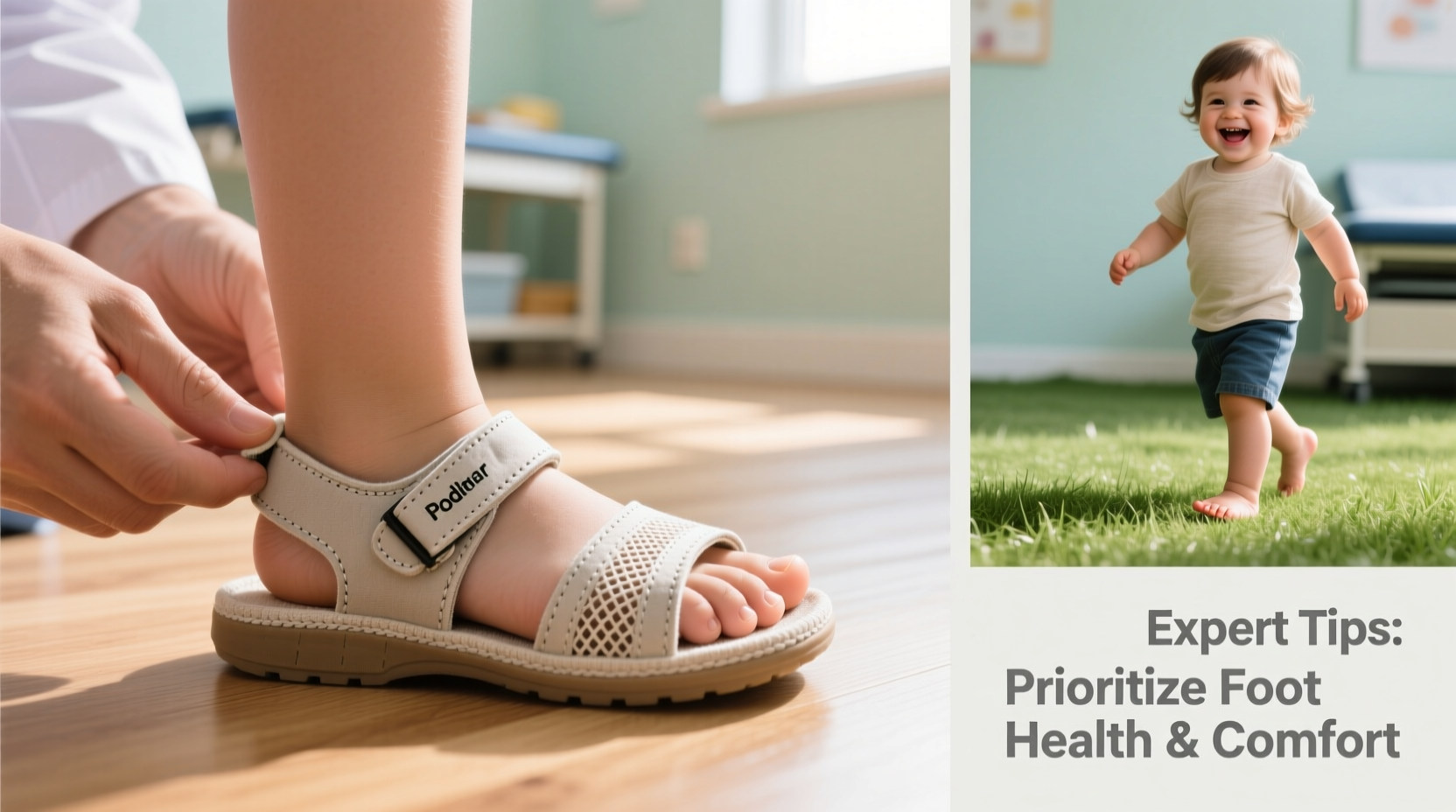
Children's feet undergo rapid changes during the first few years of life. From learning to stand and walk to developing balance and coordination, every step shapes muscle strength and joint alignment. During this sensitive period, footwear should act as a protective extension of the foot—not a restrictive shell. Soft soled sandals aim to strike this balance by allowing natural foot motion while shielding against rough surfaces, temperature extremes, and debris.
Pediatric podiatrists emphasize that overly rigid shoes can interfere with sensory feedback from the ground, which is essential for neuromuscular development. In contrast, well-designed soft soled sandals encourage proprioception—the body’s ability to sense its position in space—by enabling subtle adjustments with each step. This promotes stronger arches, improved balance, and healthier walking patterns over time.
“Children don’t need structured shoes until they’re walking confidently on varied terrain. Until then, minimal footwear that allows toe splay and flexibility supports optimal foot development.” — Dr. Lena Patel, Pediatric Podiatrist
Key Features of Healthy Soft Soled Sandals
When evaluating soft soled sandals, focus on functional attributes rather than aesthetic appeal. The following elements distinguish high-quality options that genuinely support foot health:
- Flexible, thin soles: Soles should bend easily at the ball of the foot, matching the natural flex point. A thickness between 3–5mm offers protection without dampening ground feedback.
- Wide toe boxes: Toes should lie flat and spread naturally. Narrow fronts can lead to crowding, ingrown toenails, or bunions over time.
- Secure fit: Adjustable straps (preferably hook-and-loop or buckles) ensure the sandal stays on without slipping, reducing tripping hazards and compensatory gait patterns.
- Breathable materials: Natural leather, organic cotton, or moisture-wicking synthetics help prevent overheating and irritation.
- Lightweight construction: Heavy sandals strain developing leg muscles and discourage active play.
What to Avoid: Common Design Pitfalls
Many sandals labeled “soft” still contain hidden structural flaws. Recognizing these red flags helps avoid poor choices:
| Feature | Why It’s Problematic | Better Alternative |
|---|---|---|
| Flat EVA foam soles | Lacks grip and collapses under pressure, offering no stability | Thin rubber or TPU outsoles with tread |
| Narrow toe shape | Forces toes together, inhibiting natural growth | Foot-shaped design with wide forefoot |
| Single strap across toes only | Causes gripping, leads to fatigue and instability | Heel strap + instep closure for secure hold |
| Non-adjustable sizing | Short wear window, increases risk of blisters | Multiple adjustment points for growing feet |
Step-by-Step Guide: How to Choose the Right Pair
Follow this practical process when shopping for soft soled sandals:
- Measure your child’s foot: Use a Brannock device or trace the foot on paper. Measure both length and width, preferably in the afternoon when feet are slightly swollen.
- Check for room to grow: Allow ½ cm (about a thumbnail’s width) between the longest toe and shoe end. Too much extra space increases fall risk.
- Test flexibility: Fold the sandal gently at the front. It should crease where the toes bend, not in the middle or heel.
- Evaluate grip: Run your finger over the sole—look for textured patterns that resist slipping on smooth surfaces.
- Assess fit in-store or at home: Have your child walk on a hard floor. Watch for heel slippage, toe curling, or inward/outward rolling.
- Monitor wear patterns: After two weeks, inspect for uneven sole wear or pressure marks on the skin—signs of improper fit.
Real-World Example: A Parent’s Experience
Sophie, a mother of a 2-year-old in Portland, noticed her daughter frequently tripped while wearing popular brand-name sandals. Despite being advertised as “pediatrician-approved,” the shoes had narrow fronts and slippery soles. After switching to a minimalist brand with wide toe boxes and grippy rubber soles, Sophie observed immediate improvements. “She stopped stumbling on sidewalks, and her confidence outdoors grew within days. I didn’t realize how much the shoes were holding her back.”
This case highlights how marketing claims can mislead even attentive parents. Real-world performance matters more than branding.
Essential Buying Checklist
Before purchasing, verify each of these criteria:
- ✅ Sole bends easily at the ball of the foot
- ✅ Toe box allows full splay—no pinching
- ✅ Secure heel retention (no constant slipping)
- ✅ Adjustable straps for changing foot volume
- ✅ Non-slip outsole suitable for pavement and grass
- ✅ Lightweight—under 150 grams per sandal
- ✅ Easy to clean and maintain
- ✅ Meets safety standards (e.g., free from phthalates, lead, formaldehyde)
Frequently Asked Questions
Can soft soled sandals be worn every day?
Yes, provided they fit well and are used appropriately. For daily use, rotate between two pairs to extend lifespan and reduce moisture buildup. Avoid prolonged use on very hot pavement or wet grass unless the materials are designed for it.
When should my child stop wearing soft soled sandals?
There’s no fixed age. Transition to more supportive footwear depends on activity level, environment, and individual foot development. Children who hike, run frequently, or have flat feet may benefit from added arch support after age 4–5. Consult a pediatric podiatrist if you notice pain, fatigue, or abnormal wear patterns.
Are soft soled sandals safe for toddlers just learning to walk?
Yes—when properly designed. Barefoot is ideal indoors, but soft soled sandals offer protection outdoors without restricting motion. Look for models specifically made for pre-walkers and new walkers, with ultra-thin soles and secure fit.
Final Thoughts: Prioritize Function Over Fashion
Choosing soft soled sandals for children requires careful attention to design, materials, and fit. While cute styles are tempting, long-term foot health hinges on functionality. By focusing on flexibility, proper fit, and natural foot shaping, parents can support healthy development during crucial growth stages. Remember, the best sandal doesn’t draw attention—it lets your child move freely, confidently, and comfortably through their world.
💬 Have a favorite soft soled sandal brand or fitting tip? Share your experience below and help other parents make informed choices for their children’s foot health.