Vintage style skirt suits carry a timeless elegance—sharp tailoring, refined silhouettes, and fabrics that speak of craftsmanship from another era. Whether you’ve inherited a 1950s wool suit or invested in a modern piece designed to mimic mid-century sophistication, preserving its beauty requires more than occasional dry cleaning. These garments are often made with delicate materials, intricate linings, and construction techniques no longer common in fast fashion. Without proper care, they can yellow, shrink, pill, or lose their structure. Understanding how to maintain them ensures they remain wearable, stylish, and valuable for decades.
Understand the Fabrics and Construction
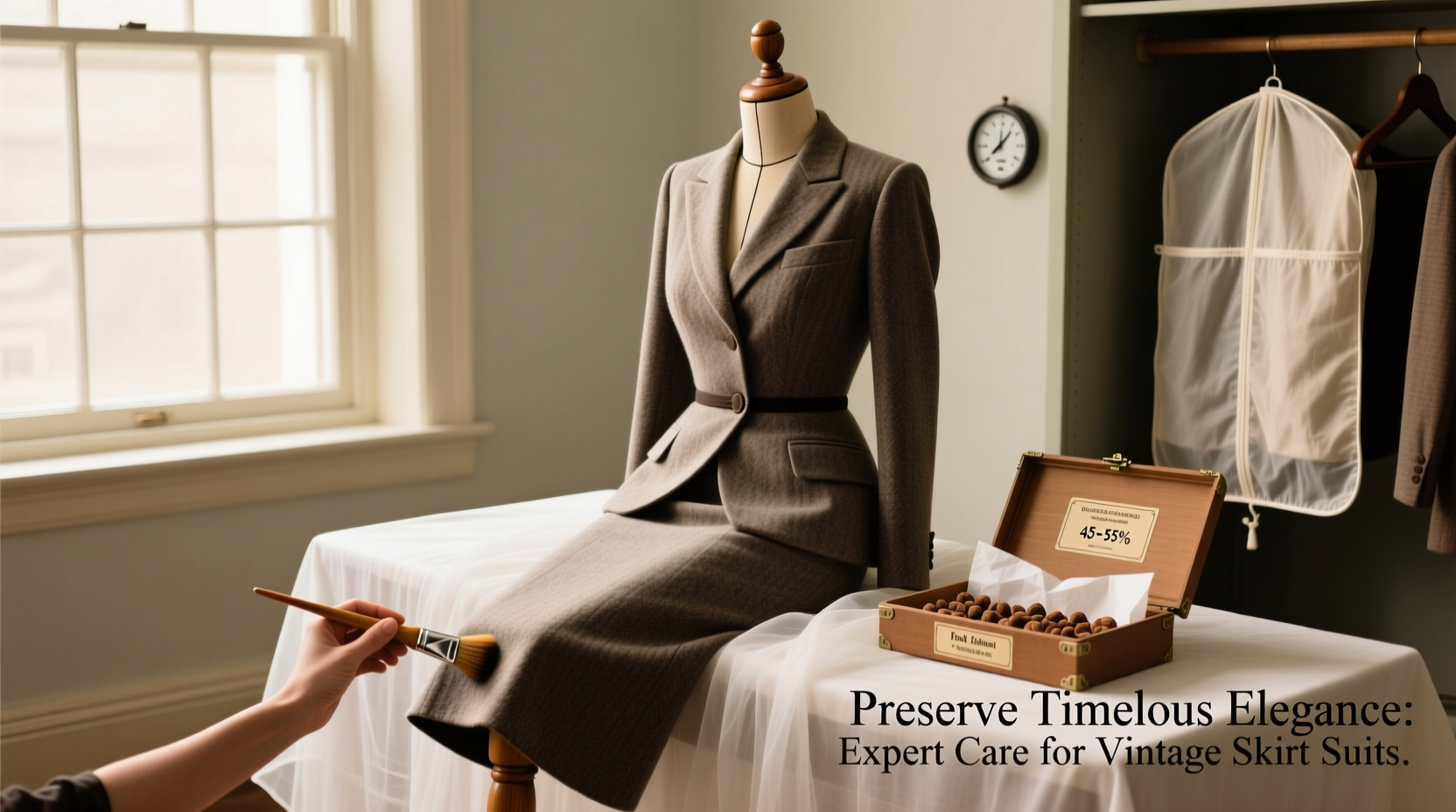
Vintage and vintage-inspired skirt suits frequently use natural fibers like wool, silk, rayon, acetate, and cotton blends. Each material responds differently to moisture, heat, and friction. Wool suits, popular in the 1940s–60s, resist wrinkles but are prone to moth damage. Silk blouses and linings add luxury but can deteriorate if stored improperly. Rayon and acetate, common in linings from the mid-20th century, weaken when wet and may tear during aggressive cleaning.
The construction also matters. Older suits often feature hand-stitched lapels, padded shoulders, and canvas interlinings that give shape. Modern reproductions may use fused interfacing, which can bubble over time if exposed to high heat. Recognizing these details helps inform your care approach—not all “dry clean only” labels are created equal, and some pieces benefit from gentle home maintenance.
“Many vintage garments were built to last, but they demand respect. The fabric might be durable, but age makes it fragile. Always assess before acting.” — Lydia Grant, Textile Conservator at the Museum of Fashion History
Step-by-Step Guide to Cleaning and Refreshing
Cleaning is the most critical—and risky—aspect of suit care. Over-cleaning degrades fibers; under-cleaning leads to stains and odors setting in. Follow this timeline to refresh your suit safely:
- After each wear: Hang the suit on a padded hanger and let it air out for 24 hours. This removes moisture from perspiration and prevents odor buildup.
- Spot check monthly: Inspect underarms, collars, and cuffs for discoloration. Use a lint roller on the skirt and jacket to remove dust and pet hair.
- Every 3–5 wears: Consider professional pressing. A skilled cleaner can steam and shape the suit without full chemical processing.
- Once per season: Opt for professional dry cleaning—only if necessary. Choose a cleaner experienced with vintage clothing who uses gentle solvents and avoids excessive heat.
- For light soiling: Try home methods: place the jacket over a steamy bathroom door after a hot shower, then gently brush wool with a soft clothes brush in one direction.
Storage: Protecting Structure and Fabric Integrity
Improper storage causes more damage than regular wear. Folding a wool suit for long periods creates permanent creases. Hangers that are too narrow distort shoulder seams. Humidity invites mildew; dryness makes fibers brittle.
| Storage Factor | Best Practice | Avoid |
|---|---|---|
| Hanger Type | Padded, broad-shoulder hangers matching the suit’s cut | Wire hangers or thin plastic hangers |
| Garment Cover | Breathable cotton garment bag | Plastic dry cleaner bags (trap moisture) |
| Location | Cool, dark closet with stable temperature | Attics, basements, or near radiators |
| Folding | Only if absolutely necessary; pad folds with acid-free tissue paper | Folding wool or structured jackets long-term |
| Moth Prevention | Cedar blocks or lavender sachets (refreshed annually) | Naphthalene balls (can yellow fabrics) |
If storing for more than six months, wrap buttons in tissue to prevent tarnishing from metal-to-fabric contact, especially in silk or rayon-lined pieces.
Do’s and Don’ts for Daily Wear and Handling
How you wear your suit impacts its longevity. Vintage styles often have tighter fits and less stretch than modern equivalents, making them vulnerable to stress at seams and button closures.
- Do rotate suits to avoid overuse. Wearing the same suit weekly accelerates wear on elbows, knees, and seat areas.
- Do fasten waist buttons only when standing to maintain skirt shape, but unfasten when sitting to reduce strain.
- Don’t pack a vintage suit tightly in a suitcase. Roll the skirt and jacket separately, wrapped in cotton cloth.
- Don’t hang a heavy bag on the suit’s hanger—it stretches the shoulders over time.
- Do handle embellishments like covered buttons or lace trims with clean hands to prevent oil transfer.
Mini Case Study: Restoring a 1960s Tweed Suit
Sophia, a vintage boutique owner in Portland, acquired a 1967 Chanel-style tweed suit with a musty odor and faded lining. Instead of dry cleaning immediately, she aired it outside in the shade for two hours. She then vacuumed the surface using a mesh screen to protect the weave. After confirming no structural weakness, she had a specialist reline the jacket with ivory Bemberg cupro, preserving the original look while adding durability. Stored in a breathable linen bag with cedar, the suit now sells for triple its purchase price—proof that patient, informed care adds both aesthetic and monetary value.
Repair and Maintenance Checklist
Small issues grow into major flaws if ignored. Catch problems early with this quarterly checklist:
Checklist: Quarterly Suit Maintenance- Inspect all buttons for looseness; secure with beeswax thread for strength
- Check inner seams, especially side vents and armholes, for fraying
- Examine hemlines for lifting or uneven wear
- Test zipper function; apply silicone-free zipper lubricant if sticky
- Look for signs of moths: tiny holes, webbing, or shed casings
- Assess lining for tears or separation at stress points
- Confirm shoulder pads haven’t shifted or degraded
For any repair, seek a tailor familiar with vintage garments. Machine stitching on delicate fabrics can cause puckering. Hand-sewing preserves integrity and matches original techniques.
FAQ
Can I wash a vintage wool skirt suit at home?
Generally not recommended. Most wool suits require dry cleaning due to interfacings and linings that react poorly to water. If the label permits hand washing, use cold water and pH-neutral detergent, submerging briefly without agitation. Lay flat on a towel to dry—never hang wet, as it will stretch.
Why is my suit’s lining disintegrating?
This is common in suits from the 1950s–70s. Rayon and acetate linings degrade over time, especially with exposure to body oils and moisture. The solution is relining with a durable, breathable fabric like Bemberg or cupro, which maintains drape and reduces friction.
How do I remove a yellow stain from an old collar?
Yellowing is often from sweat or age. Do not use bleach. Test a small area with a mix of distilled water and a drop of mild enzyme-free detergent. Blot gently. For persistent stains, consult a textile conservator. UV light treatment by professionals can sometimes reverse oxidation without harm.
Preserving Elegance for Generations
A vintage style skirt suit is more than clothing—it’s a piece of cultural history, personal expression, and sustainable fashion. With mindful handling, appropriate storage, and timely maintenance, these garments can remain functional and beautiful for decades. The key is consistency: airing after wear, vigilant inspection, and trusting expert help when needed. Every careful action extends the life of the suit and honors the craftsmanship behind it.
💬 Have a cherished vintage suit you’ve restored or preserved? Share your story in the comments and inspire others to care for their timeless pieces with confidence and care.








