Rings have long served as powerful symbols of identity, status, love, and artistry. Across continents, design traditions have evolved in distinct ways—nowhere more apparent than in the contrast between European and American ring styles. While both celebrate craftsmanship and personal expression, their philosophies, aesthetics, and cultural influences diverge in meaningful ways. Understanding these differences helps not only collectors and jewelry enthusiasts but also those choosing a meaningful piece for an engagement, anniversary, or self-expression.
Design Philosophy: Heritage vs. Innovation
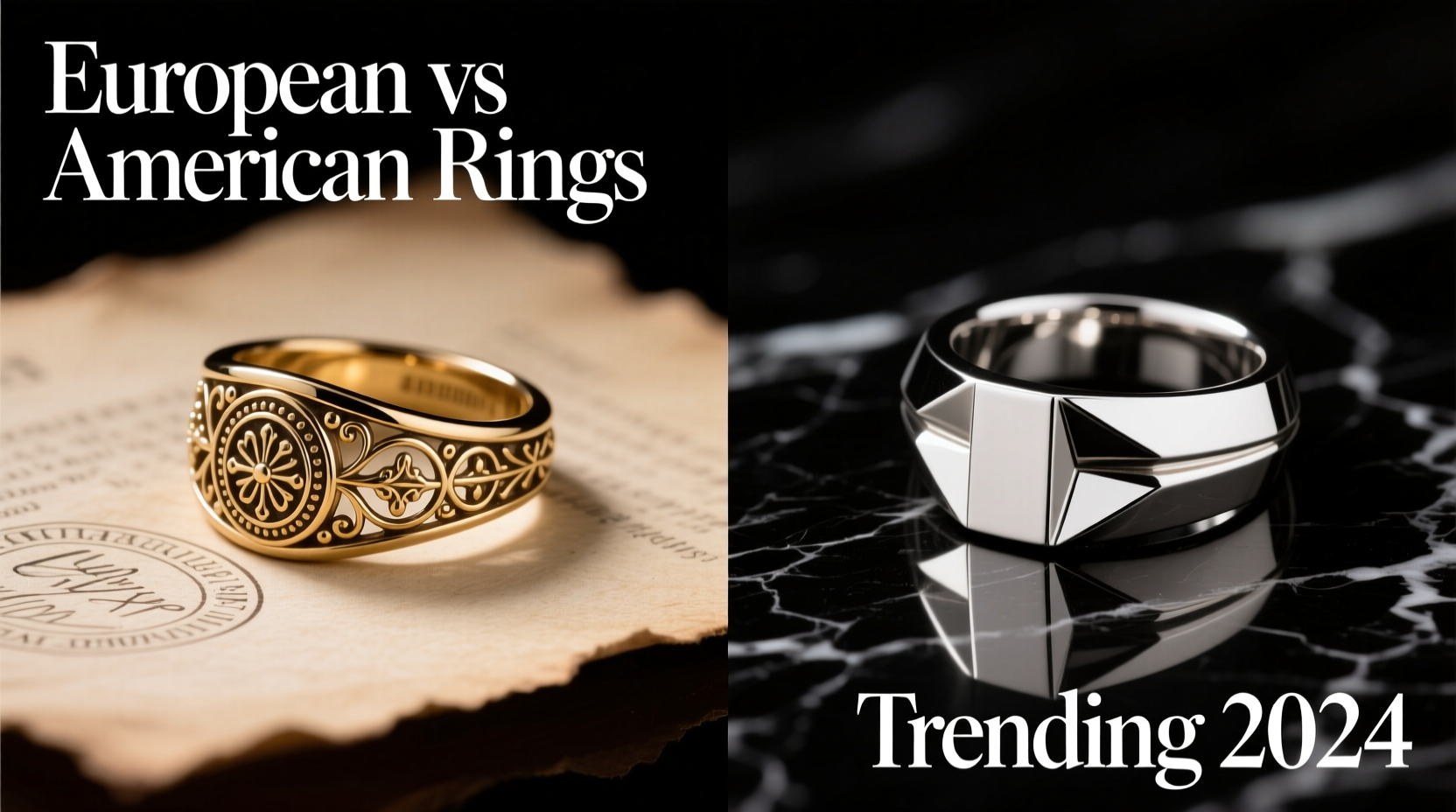
European ring design is deeply rooted in centuries-old traditions. Countries like Italy, France, and Germany are renowned for their artisanal legacy, where jewelry-making is often passed down through generations. The emphasis is on precision, elegance, and timelessness. European designs favor symmetry, intricate detailing, and a reverence for classical motifs—think Art Deco geometries, Baroque flourishes, or Renaissance-inspired engravings.
In contrast, American ring styles embrace modernity, individualism, and functional innovation. U.S. designers often prioritize wearability, bold statements, and customization. The American approach is less bound by tradition and more influenced by pop culture, minimalism, and industrial design. This results in cleaner lines, asymmetrical settings, and experimental materials such as titanium, ceramic, or recycled metals.
“European jewelry speaks to history and refinement; American design shouts originality and freedom.” — Luca Moretti, Master Goldsmith and Curator at the Florence Jewelry MuseumTip: When choosing between styles, consider whether you value heritage craftsmanship or contemporary uniqueness more.
Materials and Craftsmanship: Precision vs. Practicality
European jewelers typically use high-karat gold (18K and above), platinum, and hand-set gemstones. The focus is on durability and heirloom quality. Many pieces are still crafted using traditional techniques like lost-wax casting, hand engraving, and stone carving—methods that require years of apprenticeship.
American designs, while still using premium materials, are more likely to incorporate alternative options. For example, cobalt chrome bands for men’s wedding rings have gained popularity due to their scratch resistance and affordability. Lab-grown diamonds and moissanite are also widely embraced in the U.S., reflecting both ethical concerns and cost-conscious consumer trends.
Comparison Table: Key Differences in Materials & Construction
| Feature | European Rings | American Rings |
|---|---|---|
| Primary Metals | 18K+ gold, platinum, palladium | 14K gold, stainless steel, titanium, cobalt |
| Gemstone Preference | Natural diamonds, colored gemstones | Lab-grown diamonds, moissanite, custom cuts |
| Manufacturing | Handcrafted, small-batch production | Mixed: artisanal + mass customization |
| Finish Quality | High polish, micro-engraving, milgrain edges | Satin, brushed, matte finishes; laser precision |
| Lifespan Focus | Heirloom (50+ years) | Durable but trend-responsive (10–20 years) |
Cultural Influences and Symbolism
In Europe, rings often carry deep symbolic weight tied to national identity and religious tradition. In countries like Spain and Italy, religious iconography—such as saints or crosses—is common in signet and engagement rings. French designs may incorporate fleur-de-lis or heraldic elements, while Scandinavian styles lean toward nature-inspired motifs like waves, trees, or runes.
American rings reflect a melting pot of influences. There’s no single dominant tradition; instead, symbolism is highly personalized. Initials, coordinates, fingerprints, or even QR codes embedded in bands have become popular. The rise of gender-neutral and non-traditional engagement rings also highlights a cultural shift toward inclusivity and self-definition.
Mini Case Study: Emma & Javier’s Engagement Ring Journey
Emma, from Boston, and Javier, from Barcelona, wanted a ring that honored both their heritages. They chose a dual-design band: one side featured a hand-engraved Catalan sunburst pattern from a Barcelona atelier, while the other incorporated a minimalist New York-style bezel setting with a lab-grown diamond. The result was a fusion piece that balanced European artistry with American practicality—a growing trend among binational couples.
Trending Now: What’s Dominating the Market in 2024?
As of 2024, American ring styles are leading in global popularity, particularly in online markets and younger demographics. According to the Jewelers Board of Trade, sales of customizable, digitally designed rings grew by 34% last year, with the majority originating from U.S.-based brands.
The trend favors sleek, low-profile settings, mixed-metal combinations (like rose gold and black zirconium), and eco-conscious materials. Brands like Brilliant Earth and Mejuri have pushed sustainable, transparent sourcing into the mainstream—something American consumers increasingly demand.
However, European styles are experiencing a renaissance among luxury buyers. Vintage-inspired pieces, especially Edwardian and Art Nouveau revivals, are seeing renewed interest. Auction houses report rising bids on antique European rings, signaling a return to classic elegance among high-net-worth collectors.
Tip: If you're investing in a ring for long-term value, vintage European designs often appreciate over time.Checklist: Choosing the Right Style for You
- ✅ Consider your lifestyle: Do you need a durable, low-maintenance ring?
- ✅ Think about longevity: Is this a piece you want to pass down?
- ✅ Evaluate comfort: Wider bands or sharp edges may affect daily wear.
- ✅ Reflect your values: Are sustainability, ethics, or heritage important?
- ✅ Match your aesthetic: Do you lean toward ornate details or clean minimalism?
- ✅ Budget accordingly: European handcrafted pieces often cost more due to labor intensity.
How to Blend Both Worlds
You don’t have to choose one tradition over the other. Many modern jewelers offer hybrid designs that merge European craftsmanship with American innovation. For instance, a ring might feature a Florentine hand-engraved band paired with a CAD-designed tension setting made in California. These fusion pieces allow wearers to honor tradition while embracing modern comfort and ethics.
To create your own hybrid ring:
- Start with a base design from a European-inspired collection.
- Customize the center stone with a lab-grown diamond or unique cut.
- Add personalized engraving—perhaps in a language from your heritage.
- Opt for a comfort-fit interior, a hallmark of American ergonomic design.
- Choose a metal blend, like white gold with a platinum accent.
“The future of fine jewelry isn’t East vs. West—it’s about intelligent synthesis.” — Dr. Naomi Reed, Cultural Anthropologist and Jewelry Historian
Frequently Asked Questions
Are European rings more expensive than American ones?
Generally, yes. European rings often command higher prices due to the use of higher-karat metals, handcrafting, and smaller production runs. However, luxury American designer pieces can also be costly, especially when featuring rare stones or advanced technology.
Can I resize a European-style ring easily?
It depends on the design. Rings with continuous engraving or embedded side stones may lose integrity when resized. Always consult a specialist familiar with European craftsmanship before altering such pieces.
Which style is better for men’s wedding bands?
American styles tend to dominate here, thanks to their focus on durability and comfort. Materials like tungsten, titanium, and cobalt are popular for active lifestyles. That said, European men’s rings—especially in Italy and Germany—are gaining traction for their subtle elegance and refined finishes.
Conclusion: Wear Your Story With Intention
The choice between European and American ring styles isn’t just about aesthetics—it’s about values, identity, and how you wish to express yourself. European designs offer timeless beauty and artisanal depth, ideal for those who cherish tradition and permanence. American styles champion innovation, inclusivity, and adaptability, resonating with a generation that defines meaning on its own terms.
Right now, American trends lead in volume and visibility, but European elegance remains a benchmark of enduring quality. The most compelling movement, however, is the blending of both: rings that tell layered stories, honoring the past while embracing the future.
💬 What does your ring say about you? Share your story or favorite style in the comments—we’d love to hear how culture, design, and personal meaning shape your choices.