
Satin heels are the epitome of elegance—perfect for weddings, galas, or any occasion where you want to make a statement. But their delicate fabric is notoriously vulnerable to scuffs, stains, and moisture damage. Unlike leather or synthetic materials, satin doesn’t forgive mishandling. A single spill or improper storage can leave permanent marks, dulling their luster before you’ve had the chance to wear them twice.
The good news? With the right care routine, you can preserve the beauty of your satin heels for years. It’s not about perfection—it’s about consistency, prevention, and knowing how to respond when accidents happen. Whether you own a pair of vintage bridal heels or designer evening stilettos, these strategies will help maintain their pristine condition and protect your investment.
Understanding Satin: Why It Needs Special Care
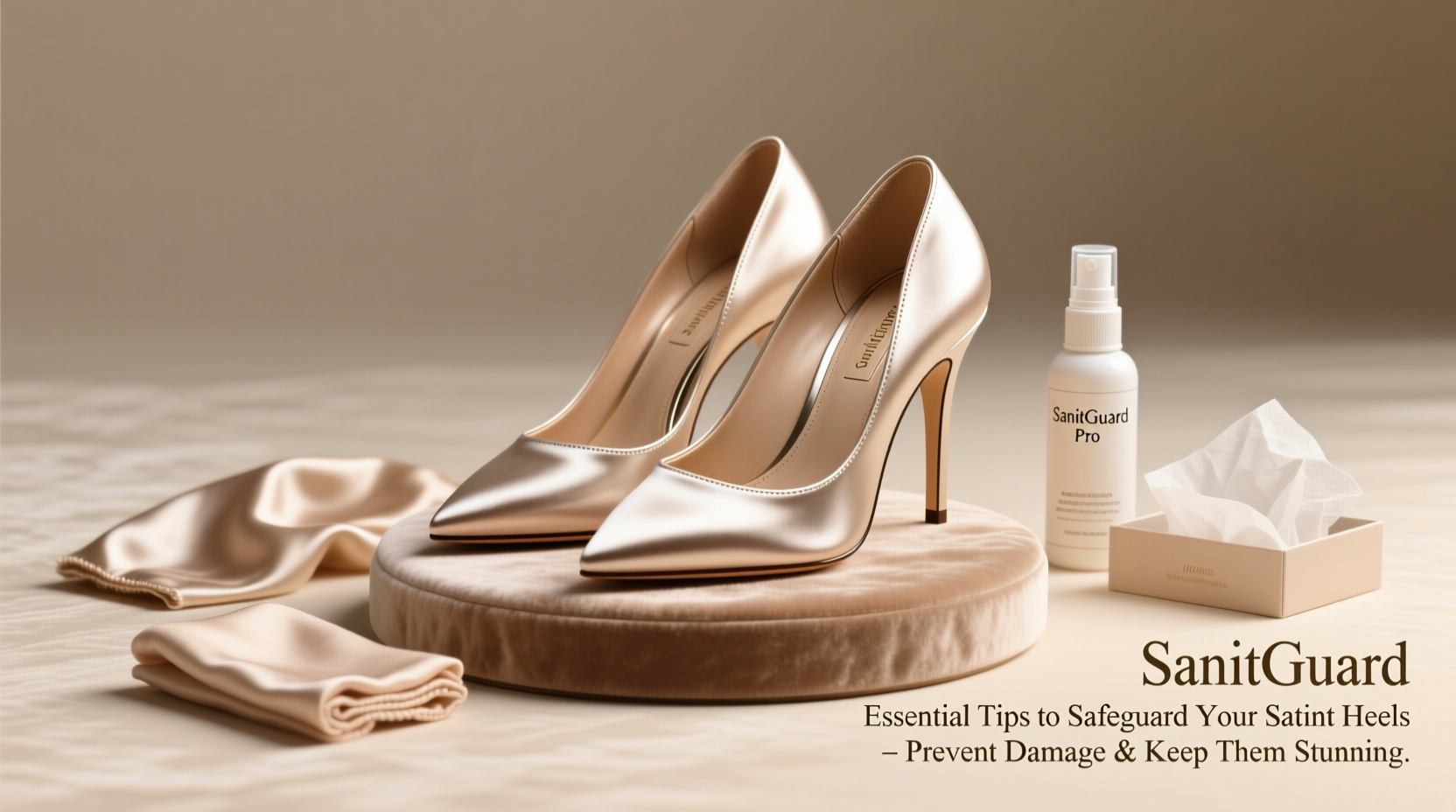
Satin isn’t a material—it’s a weave. Typically made from silk, polyester, or nylon, satin achieves its signature glossy surface through a specific weaving technique that floats long threads over others. This creates a smooth, reflective finish but also makes the fabric prone to snagging, watermarks, and abrasion.
Unlike sturdier shoe materials, satin cannot be wiped down with damp cloths or cleaned with alcohol-based solutions. Moisture spreads easily across the fibers, leading to unsightly rings. Even body oils from handling can transfer and discolor the surface over time. That’s why proactive protection—not reactive cleaning—is key.
“Satin demands respect. One wrong move—like storing it in a plastic bag or wiping it with a wet cloth—and you compromise its integrity.” — Lena Torres, Footwear Conservation Specialist
Step-by-Step Guide to Protecting Your Satin Heels
Caring for satin heels isn’t complicated, but it does require a methodical approach. Follow this timeline to ensure your shoes remain in show-stopping condition:
- Before First Wear: Apply a fabric protector spray designed for delicate textiles. Hold the bottle 6–8 inches away and apply in short bursts, covering all surfaces evenly. Let dry completely (at least 24 hours) before wearing.
- During Wear: Avoid rainy conditions and rough surfaces like gravel or concrete. Walk carefully on smooth floors. Carry a compact lint roller in your clutch to remove dust or pet hair mid-event.
- Immediately After Wearing: Remove any visible debris with a soft makeup brush or microfiber cloth. Do not wipe with liquid. Let the shoes air out in a well-ventilated room for at least 30 minutes.
- Monthly Maintenance: Inspect for loose threads, heel wear, or discoloration. Reapply fabric protector if needed. Store with silica gel packets to absorb ambient moisture.
- Long-Term Storage: Wrap each shoe individually in acid-free tissue paper, place in a breathable cotton shoe bag, and store upright in a cool, dark closet away from direct sunlight.
Do’s and Don’ts of Satin Heel Care
| Do’s | Don’ts |
|---|---|
| Use a soft-bristled clothes brush to gently remove surface dust | Use water or household cleaners directly on the fabric |
| Store in breathable fabric bags, not plastic | Leave shoes in hot cars or humid basements |
| Apply a specialized satin or fabric shield spray | Wear in rain, snow, or high-humidity environments |
| Rotate wear to prevent excessive stress on one pair | Scrub stains—this frays fibers and spreads discoloration |
| Keep spare ribbons or trim on hand for quick repairs | Machine wash or soak the shoes |
Tackling Common Stains: What Works (and What Doesn’t)
Accidents happen—even with the most careful wearers. The key is immediate, gentle action. Below are proven methods for common satin shoe stains:
- Makeup or Foundation: Dab lightly with a clean, dry corner of a makeup sponge. Avoid rubbing. If residue remains, use a fabric eraser designed for delicates (e.g., Fashion Doctor or Sole Savior).
- Water Marks: Blot with a dry microfiber cloth. Place the shoe in indirect airflow (not direct heat) and let it dry naturally. Once dry, gently brush the area to restore sheen.
- Ink or Pen: Do not apply alcohol. Instead, take the shoe to a professional textile cleaner. Ink solvents can dissolve satin fibers.
- Dirt or Dust: Use a handheld vacuum with a soft brush attachment on low suction, or a dry makeup brush in gentle circular motions.
“I once restored a pair of wedding heels that had been stored in a basement for ten years. Mold and yellowing were severe, but with pH-neutral textile treatment and re-dyeing, they looked nearly new. Prevention would’ve saved time and cost—but revival is possible.” — Marcus Lin, Textile Restoration Technician
Real Example: A Bride’s Recovery Story
Clara wore her ivory satin heels during an outdoor garden wedding. Midway through the reception, light rain began to fall. By the end of the night, both shoes showed dark water spots and muddy soles. Devastated, she stuffed them in a box and forgot them for months.
Eventually, she consulted a specialty shoe care service. They used a dry-absorption technique with cornstarch and talc to lift moisture without agitation. Then, a low-heat steamer helped relax the fibers and restore the luster. The soles were replaced, and the uppers were professionally resealed. Though not flawless, the heels were wearable again—proving that even after damage, recovery is possible with patience and proper tools.
Tip: For sentimental satin heels, consider having a protective sole guard added by a cobbler. Clear vinyl taps or full sole covers act as shields without altering appearance.Care Checklist: Maintain Your Satin Heels Like a Pro
Print or save this checklist to follow after every wear:
- ☑ Gently brush off dust with a soft makeup or clothes brush
- ☑ Inspect for snags, loose embellishments, or worn soles
- ☑ Allow shoes to air out for 30+ minutes in a dry room
- ☑ Reapply fabric protector every 3–4 wears
- ☑ Store in breathable cotton bags with tissue paper support
- ☑ Keep away from direct sunlight, heat sources, and humidity
- ☑ Rotate pairs if you own multiple satin styles
Frequently Asked Questions
Can I clean satin heels at home?
You can perform light maintenance at home using dry methods only—brushing, blotting, and using fabric erasers. Never submerge or damp-wipe satin. For deep stains or odors, consult a professional shoe restoration service.
How do I prevent yellowing over time?
Yellowing occurs due to oxidation and exposure to light. Store satin heels in darkness, wrapped in acid-free paper. Avoid placing them near windows or fluorescent lights. Silica gel packets inside the storage box help reduce aging from moisture.
Is it safe to wear satin heels more than once?
Yes, as long as you care for them properly between wears. Allow 24 hours of rest after each use, inspect for damage, and refresh the protective coating. Many designers create satin heels with durability in mind—just treat them with the same attention you’d give a silk blouse.
Final Thoughts: Elegance Requires Effort
Satin heels are worth the extra care. Their shimmering presence elevates any outfit, but that luxury comes with responsibility. Damage doesn’t happen overnight—it accumulates through small oversights: skipping the protector spray, tossing them into a crowded closet, or ignoring a tiny stain until it sets.
By integrating these habits into your routine, you’re not just preserving shoes—you’re honoring the craftsmanship and moments they represent. Whether worn for a proposal, a debut, or a night out, satin heels deserve to look as brilliant years later as they did on day one.
💬 Have a satin heel rescue story or a tip that saved your favorite pair? Share your experience below and help others protect their stylish investments.








