
Shipping a designer bag—whether it's a vintage Chanel, limited-edition Hermès, or a pristine Louis Vuitton—requires more than just stuffing it into a box and slapping on a label. These luxury items represent significant financial and emotional investments. A single misstep in packaging can result in creases, scuffs, moisture damage, or even theft. Whether you're a seller, collector, or gifting a prized possession, understanding the correct way to prepare a designer bag for transit is non-negotiable.
From selecting the right materials to anticipating common risks, this guide delivers actionable strategies that professionals use to ship high-value handbags with confidence. Follow these steps to protect your investment and maintain trust with buyers or recipients.
Choose the Right Box: Size and Strength Matter
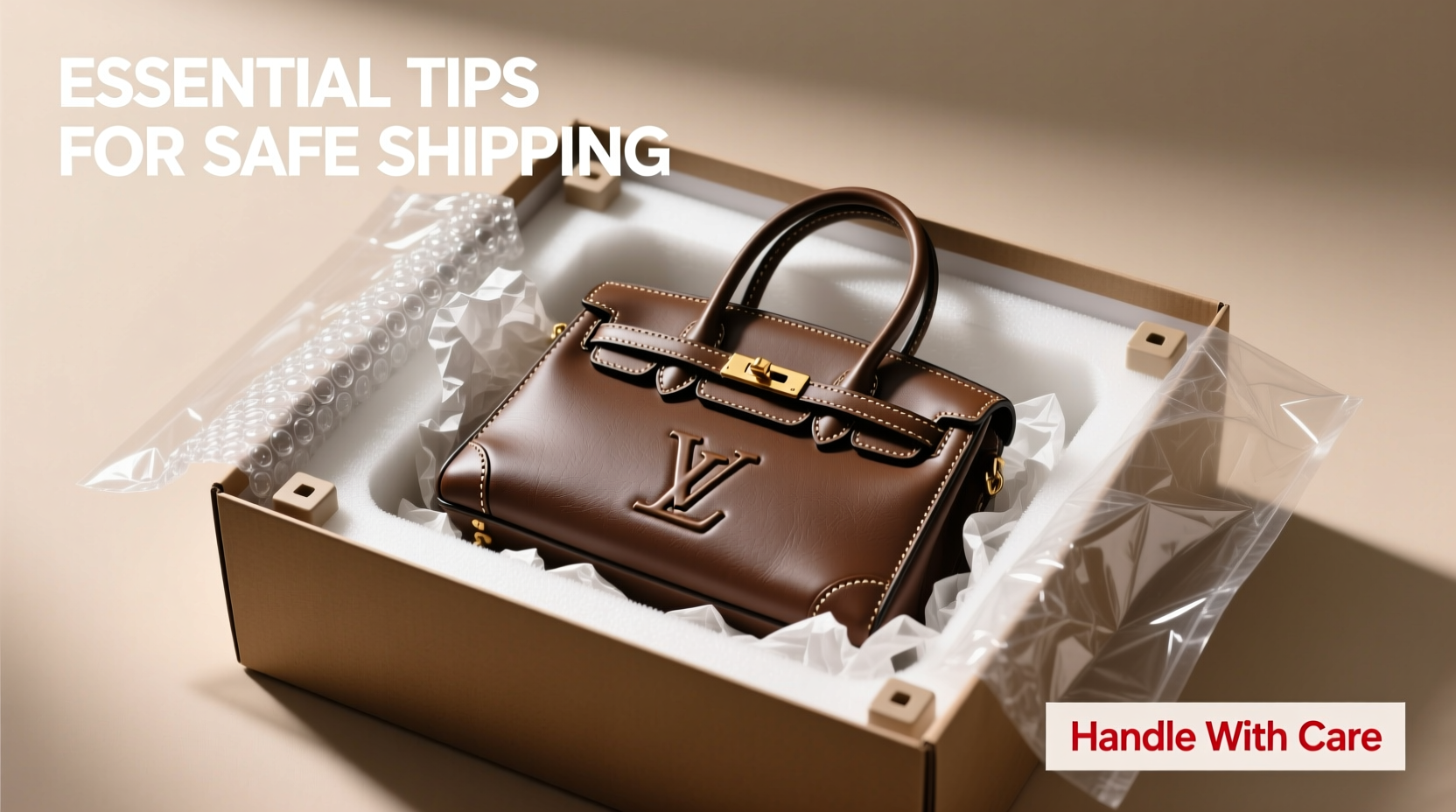
The foundation of secure shipping starts with the box. Using an ill-fitting or flimsy container is one of the most common causes of damage. A box that’s too small forces the bag to be compressed, leading to permanent shape loss. One that’s too large allows movement inside, increasing the risk of impact damage.
Select a rigid, double-walled corrugated cardboard box with at least two inches of clearance on all sides of the bag. This buffer zone provides room for protective layers while minimizing internal shifting. Avoid reusing old boxes, especially those with tape residue, dents, or weakened seams.
Tip: Always test your packed box by gently shaking it. If you hear or feel movement, add more cushioning.Preserve Shape with Proper Stuffing
A designer bag’s silhouette is part of its identity. Shipping it without proper support can lead to collapsed sides, bent corners, or distorted handles. To maintain structure, carefully stuff the interior with clean, acid-free tissue paper. Avoid newspaper or colored paper, which can transfer ink onto delicate linings.
Focus on gentle but firm filling—overstuffing can strain stitches or stretch leather. Pay special attention to structured areas like base panels and gussets. For soft-bodied bags, use loosely crumpled tissue to provide light support without pressure.
“Maintaining the original form during transit preserves both aesthetic value and resale potential.” — Marcus Lin, Luxury Handbag Authenticator & Courier Consultant
Step-by-Step Guide: How to Package a Designer Bag for Shipping
Follow this proven sequence to ensure no critical step is missed:
- Inspect and clean the bag: Wipe down exterior surfaces with a microfiber cloth. Address minor stains with a manufacturer-approved cleaner. Never ship a dirty bag.
- Stuff the interior: Use acid-free tissue to restore natural shape. Do not use clothing or towels—they retain moisture.
- Secure hardware: Wrap metal elements (zippers, chains, studs) in bubble wrap to prevent scratching.
- Place in a dust bag: If available, use the original dust bag. Ensure it’s clean and dry. Do not use plastic bags as they trap moisture.
- Wrap the entire bag: Encase the bag in a second layer of bubble wrap, focusing on corners and protruding details.
- Center in the shipping box: Position the wrapped bag in the middle of the box, surrounded by cushioning material on all sides.
- Fill voids: Use air pillows, foam inserts, or additional bubble wrap to eliminate empty space.
- Seal securely: Use high-quality packing tape in a “H” pattern across all seams to reinforce the box.
- Label correctly: Mark the package as “Fragile” and “This Side Up.” Include return information discreetly.
- Choose a trusted carrier: Opt for services with tracking, insurance, and signature confirmation.
Do’s and Don’ts of Designer Bag Shipping
| Do’s | Don’ts |
|---|---|
| Use acid-free tissue paper for stuffing | Use newspaper or colored paper (risk of ink transfer) |
| Pack in a rigid, double-walled box | Reuse damaged or flimsy boxes |
| Insure the shipment for full value | Ship high-value items uninsured or underinsured |
| Request signature upon delivery | Allow unattended drop-offs for valuable packages |
| Take photos before sealing the box | Forget documentation in case of disputes |
Real Example: The Cost of Cutting Corners
A private seller in Los Angeles once shipped a pre-owned Celine Luggage Tote valued at $3,200 using only a single-layer mailer and minimal padding. The buyer received the package with a visibly crushed front panel and scratched gold-tone hardware. Despite including photos of the item pre-shipment, the courier denied liability due to inadequate packaging. The seller ultimately refunded the full amount and absorbed a total loss exceeding $400 in fees and shipping costs.
This scenario underscores a critical truth: no matter how flawless the item condition, poor packaging invalidates claims and damages reputation. Investing in proper materials is cheaper than losing a sale—or a client.
Essential Packaging Checklist
- ✅ Clean, inspected designer bag
- ✅ Acid-free tissue paper for stuffing
- ✅ Original dust bag (if available)
- ✅ Bubble wrap (preferably anti-static for hardware protection)
- ✅ Rigid, double-walled shipping box with extra space
- ✅ Void fill (air pillows, foam, or crumpled kraft paper)
- ✅ High-strength packing tape
- ✅ Shipping label with tracking and insurance
- ✅ Fragile and orientation labels
- ✅ Pre-shipment photos stored securely
Frequently Asked Questions
Should I include authentication cards or paperwork inside the bag?
Yes—but place documents in a sealed plastic sleeve or small ziplock bag first to prevent moisture damage. Then tuck them into an interior pocket. Avoid loose placement, as papers can shift and cause abrasion.
Is it safe to ship designer bags internationally?
Yes, provided you use a reputable international courier (e.g., FedEx, DHL, UPS) with customs expertise and full insurance. Declare the accurate value and include a detailed invoice. Be aware that some countries impose high duties on luxury goods, which may affect delivery timelines.
Can I use flat-rate boxes from postal services?
Only if they are structurally sound and appropriately sized. USPS flat-rate boxes vary in durability. For high-value items, consider upgrading to a custom-sized box with superior edge crush resistance. Never rely solely on the strength of flat-rate packaging for luxury goods.
Final Recommendations for Safe Transit
Shipping a designer bag isn’t merely about getting it from point A to point B—it’s about preserving integrity, trust, and value. Every element, from stuffing technique to box selection, contributes to a successful delivery. Professionals in consignment, resale, and personal transactions alike treat packaging as part of the product experience.
Remember: insurance covers financial loss, but it cannot restore a bag’s structural perfection or a buyer’s confidence. Your packaging reflects your standards. When done correctly, it reassures recipients that their luxury item was handled with the respect it deserves.
💬 Have a packaging success story or a close call? Share your experience in the comments—your insight could help others avoid costly mistakes and ship smarter.