
Nylon bags are prized for their durability, lightweight feel, and resistance to wear and tear. Whether used for daily commutes, travel, or outdoor adventures, a well-maintained nylon bag can last for years while retaining its fresh appearance. However, without proper care, even the toughest nylon can fade, stain, or develop odors over time. The good news is that with consistent maintenance and smart habits, you can preserve both the function and aesthetics of your favorite bag. This guide provides actionable strategies to help you extend its life and keep it looking as good as the day you bought it.
Understanding Nylon: Why Care Matters
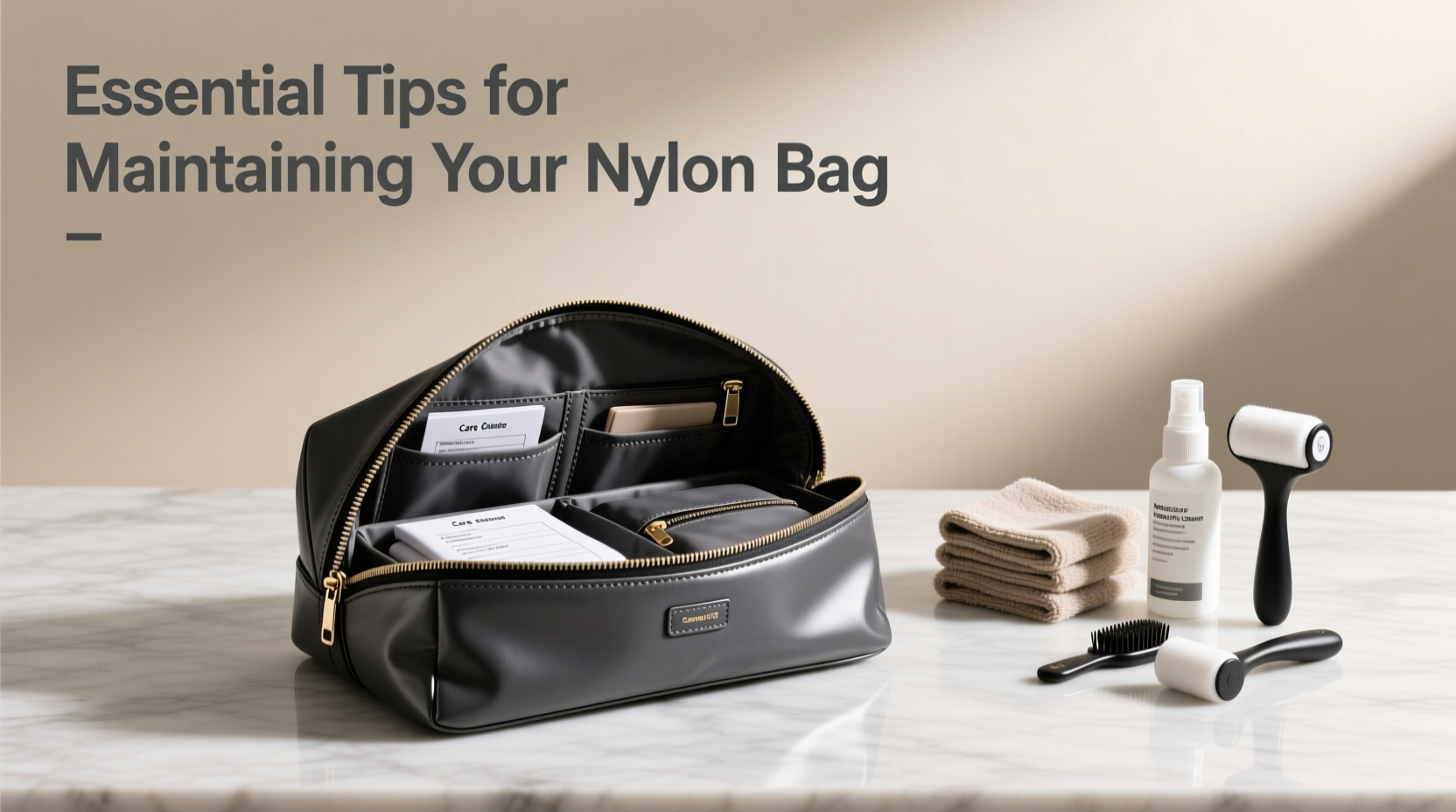
Nylon is a synthetic fabric known for its strength, water resistance, and flexibility. Unlike natural fibers such as cotton or leather, nylon doesn’t absorb moisture easily, which makes it ideal for active use. However, this doesn’t mean it’s immune to damage. Exposure to dirt, UV rays, sweat, oils, and harsh chemicals can degrade the material over time. Surface abrasions, color fading, and zipper malfunctions are common issues when care is neglected.
The weave and coating of nylon also play a role in longevity. Many modern nylon bags feature a polyurethane (PU) or silicone coating to enhance water resistance. These coatings can wear off if cleaned improperly or exposed to excessive sunlight. Understanding these characteristics helps inform better care decisions—especially when it comes to cleaning methods and storage conditions.
“Nylon is tough, but not invincible. Regular maintenance prevents minor issues from becoming permanent damage.” — Jordan Lee, Textile Durability Analyst
Daily Habits That Extend Bag Life
Much of your bag’s lifespan depends on how you use it every day. Small behavioral adjustments can make a significant difference in long-term appearance and performance.
- Avoid overloading: Excessive weight strains seams and zippers, leading to premature wear.
- Keep it dry: While nylon resists water, prolonged dampness can lead to mildew and odor buildup, especially in linings.
- Rotate usage: If you own multiple bags, alternate between them to reduce continuous stress on one item.
- Clean hands, clean bag: Oils from skin transfer easily to fabric. Wipe handles and straps regularly, especially after sweaty use.
- Empty contents nightly: Removing items reduces strain and allows the bag to retain its shape.
Step-by-Step Guide to Cleaning Your Nylon Bag
Regular cleaning removes grime, prevents stains from setting, and maintains color vibrancy. Follow this timeline-based approach for optimal results:
- Every 1–2 Weeks (Surface Wipe): Use a microfiber cloth dampened with water or a mild soap solution to wipe down exterior and interior surfaces. Focus on high-touch areas like zippers, handles, and pockets.
- Monthly (Spot Clean Stains): For visible marks, apply a small amount of gentle detergent (like dish soap) to a soft brush. Gently scrub the affected area in circular motions, then wipe with a damp cloth. Avoid bleach or abrasive cleaners.
- Every 3–6 Months (Deep Clean): If the bag allows, remove loose inserts or liners. Hand wash in lukewarm water with a non-detergent cleaner formulated for technical fabrics. Rinse thoroughly and air dry completely—never machine wash or tumble dry unless specified by the manufacturer.
For stubborn stains like ink or oil, test a small hidden area first. A mixture of baking soda and water can be effective for odor and mild discoloration. Always avoid direct heat sources during drying—sunlight or heaters can warp fabric and fade colors.
Proper Storage Techniques to Prevent Damage
How you store your nylon bag when not in use is just as important as how you use it. Poor storage leads to creases, discoloration, and weakened structural integrity.
| Do | Don't |
|---|---|
| Store in a cool, dry place away from direct sunlight | Leave it in a hot car or near radiators |
| Stuff loosely with acid-free tissue or soft cloths to maintain shape | Compress tightly in cramped spaces |
| Cover with a breathable cotton dust bag or pillowcase | Use plastic bags that trap moisture |
| Zip all compartments to prevent deformation | Leave zippers open or hanging by straps |
Real-Life Example: How One Traveler Preserved Her Backpack for Five Years
Sophie, a freelance photographer based in Vancouver, uses her nylon backpack nearly every day for urban shoots and weekend hikes. After noticing early signs of fraying near the bottom panel, she implemented a simple monthly care routine: wiping down the fabric, lubricating zippers with silicone spray, and storing it upright in her closet with a padded insert. She also invested in a waterproof cover for rainy seasons to reduce exposure.
Five years later, the backpack remains functional and visually intact—only slightly faded on the shoulder straps. “I get compliments on it all the time,” she says. “People assume it’s new. I credit the consistency. Just 10 minutes a month keeps it in great shape.”
Checklist: Monthly Nylon Bag Maintenance Routine
To simplify care, follow this concise checklist each month:
- ✅ Empty all compartments and shake out debris
- ✅ Wipe exterior and interior with a damp microfiber cloth
- ✅ Inspect zippers, buckles, and stitching for wear
- ✅ Clean any stains using mild soap and soft brush
- ✅ Air dry fully before storing
- ✅ Apply fabric protector spray (if recommended)
- ✅ Store properly with light stuffing and breathable cover
“Consistent care and proper storage can double a bag’s lifespan.” — Emma Clarke, Fashion Care Expert
Frequently Asked Questions
Can I machine wash my nylon bag?
Only if the care label explicitly allows it. Most manufacturers recommend hand washing to protect coatings and structure. Machine agitation can damage zippers and cause fabric pilling. When in doubt, stick to manual cleaning.
How do I remove odors from the interior lining?
Odors often come from trapped moisture or residue. Sprinkle baking soda inside, let it sit overnight, then vacuum gently. Alternatively, wipe with a cloth dampened with diluted white vinegar (1 part vinegar to 3 parts water), then air dry completely. Avoid perfumed sprays—they mask odors but don’t eliminate the source.
Is it safe to use waterproofing sprays on nylon?
Yes, but choose products specifically designed for technical fabrics. Silicone- or fluoropolymer-based sprays work best. Apply in a well-ventilated area, hold 15–20 cm from the surface, and allow full drying before use. Reapply every 3–6 months for maximum protection.
Final Thoughts: Make Care a Habit, Not a Chore
Your nylon bag is an investment in convenience, style, and reliability. With minimal effort, you can ensure it performs well and looks sharp for years. The key is consistency—small actions taken regularly prevent major deterioration. From wiping down surfaces to mindful storage, each habit compounds into lasting quality.
💬 Start today: Pick one tip from this guide and apply it to your bag tonight. Share your experience or ask questions in the comments—let’s build a community of smarter bag owners.